

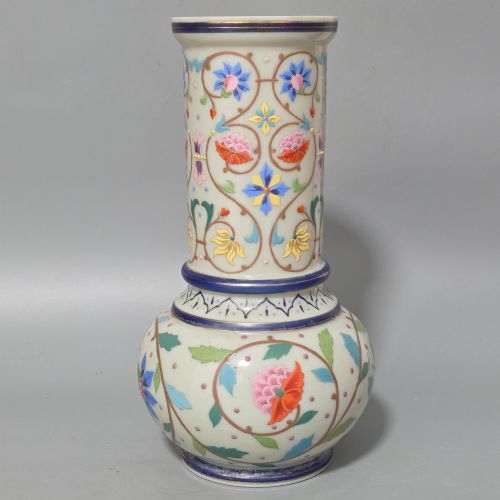
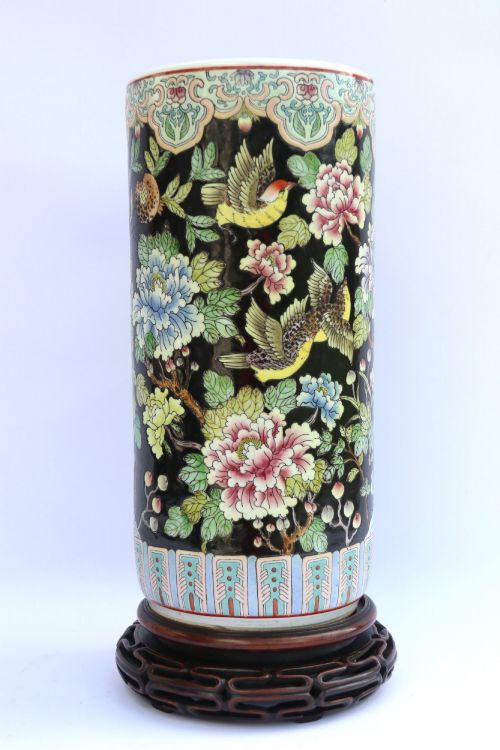


Large Art Vase
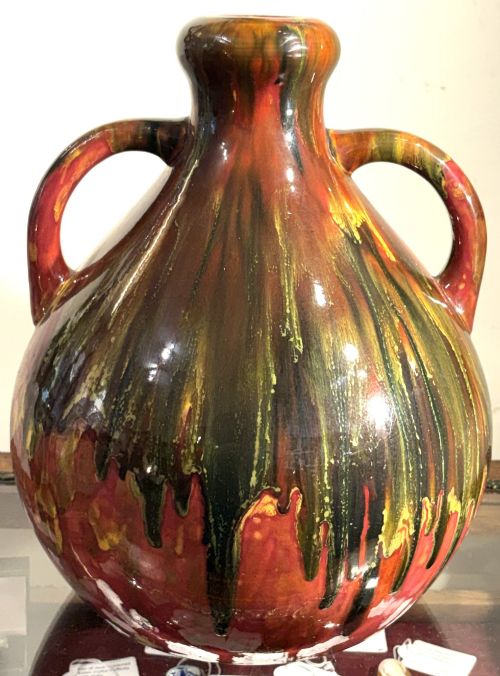
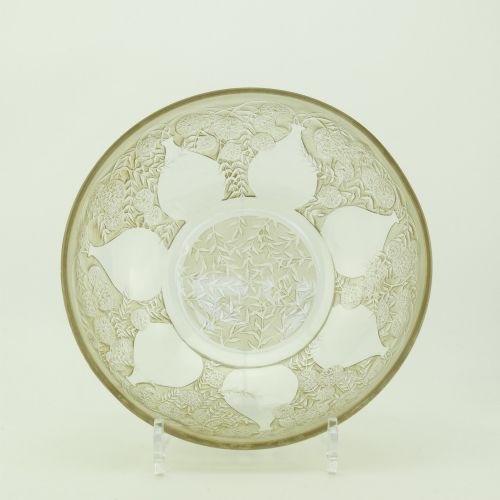
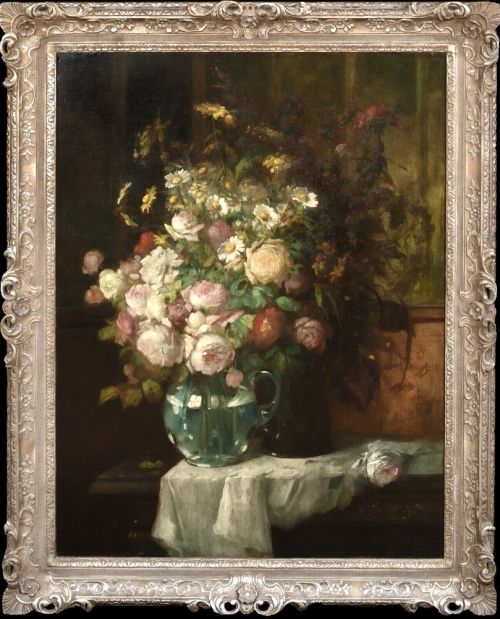
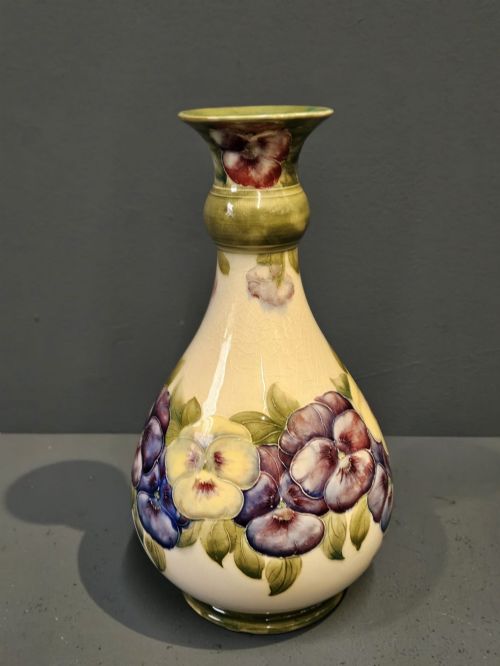
These large antique art vase pieces bring striking sculptural presence and period craft into a room, combining scale with distinct artistic design.
Large Art Vase
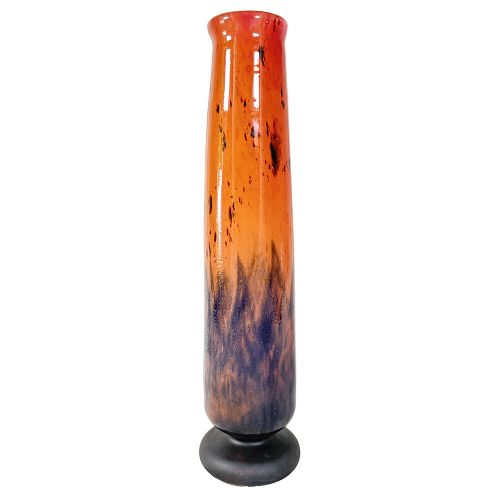
A large antique art vase serves as a commanding decorative focal point, emerging primarily from the late nineteenth century through to the interwar decades. These substantial vessels showcase the diverse aesthetic movements of their eras, ranging from British pottery and Austrian ceramics to French cameo glass and Japanese porcelain.
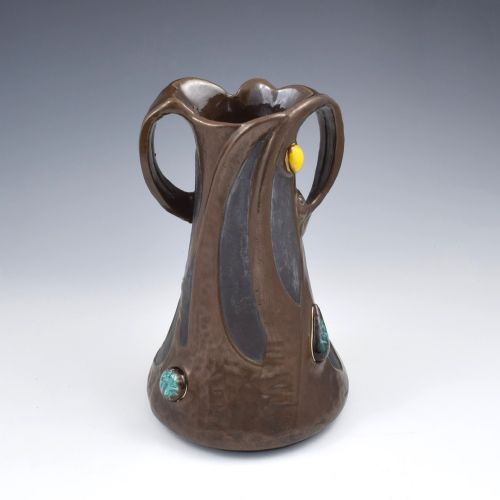
The selections available span multiple stylistic traditions, notably Art Nouveau, Art Deco, Arts and Crafts, and the Meiji period. Buyers encounter everything from fluid organic earthenware to monumental glass and cloisonne enamel vessels created for major international exhibitions and fine interiors.
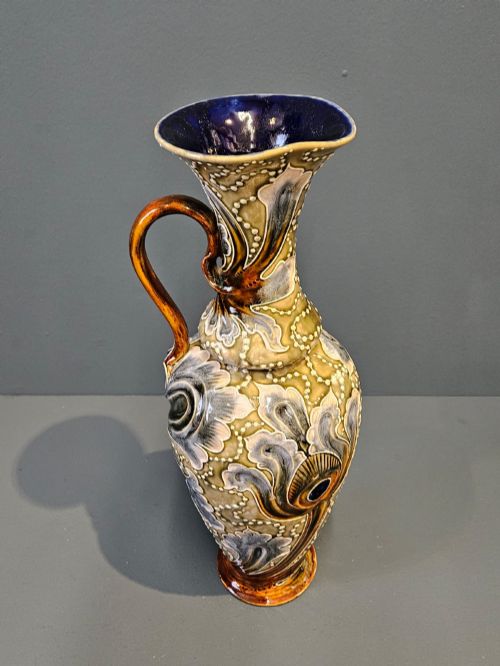
Forms extend beyond standard vessels to include ewers, figural jugs, and monumental pottery shapes. Makers utilised generous proportions to display intricate surface decoration, pictorial enamel scenes, and sculptural mounts.
Materials and construction methods
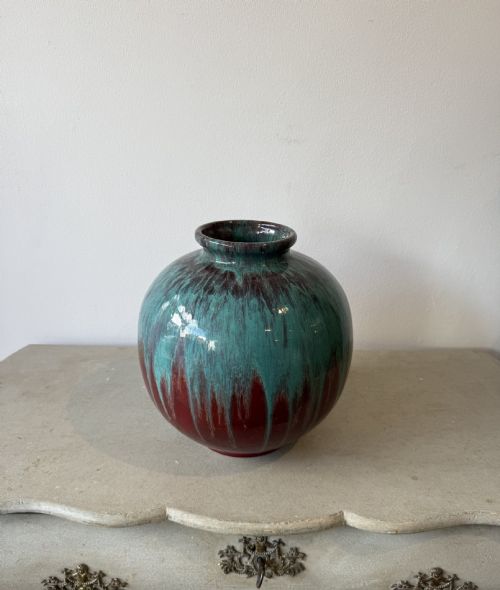
Pottery and earthenware examples rely on traditional throwing and moulding techniques, often finished with specialised reactive glazes, slip painting, or applied jewelled cabochons. Workshops such as Doulton, Amphora, and Moorcroft employed skilled modellers to shape complex ceramic bodies before multi-stage kiln firing.
Glass creations involve sophisticated processes including cameo carving, acid etching, optical blowing, and enamelling. Master glassmakers at houses like Daum, Galle, and Loetz layered different coloured batches of glass or fused metallic foils and powders to achieve rich depth.
Metalworking and mixed media pieces incorporate cloisonne wiring, silver overlay, and patinated bronze details applied to ceramic, porcelain, or glass bodies. Artisans painstakingly fused enamel pastes within metal cells or hammered copper and silver elements by hand.
Listings feature periods spanning from the Victorian era and 1880s through to the 1930s Art Deco movement.
Distinctions in execution and design
Superior examples separate themselves through the ambition of their modelling and the precision of surface execution. Master-level pieces exhibit crisp details in relief work, confident brushwork in hand-painted floral or landscape scenes, and balanced proportions that harmonize with the scale of the vessel.
The sophistication of the glazing or glass-working technique marks the upper tier of production. Rich multi-layered cameo cutting, subtle shade gradients in enamelling, and experimental metallic finishes indicate a higher degree of atelier skill.
Design attribution and factory pedigree heavily influence distinction. Pieces bearing signatures of renowned directors, specific artists, or recognised studios demonstrate superior artistic vision compared to unmarked commercial output.
Rene Lalique·Konstantin Stoitzner·Daum·Thomas Webb·Hotoda·Loetz·Makuzu Kozan·Brannam·Ando Jubei·St Louis glassworks·James Powell·Royal Doulton·Galle·Burmantofts Faience·Royal Dux Bohemia·Falcon Ware·Paul Dachsel·WMF
The Large Art Vase Glossary
- Cameo Glass
- A multi-layered glass vessel carved or acid-etched to create contrasting designs in relief. This technique requires exceptional skill to expose precise background depths without damaging the upper strata.
- Art Nouveau
- A turn-of-the-century design style defined by sinuous organic lines and plant-inspired motifs. It draws heavily on natural forms such as flower stems, water lilies, and insect wings.
- Cloisonne
- Metalwork technique where thin wire partitions form enclosed cells filled with coloured enamel paste. These pieces undergo repeated firing and polishing to achieve a smooth decorative surface.
- Jugendstil
- The continental European manifestation of the Art Nouveau movement, particularly prominent in German-speaking regions. The term translates as youth style and embraces dynamic graphic and sculptural qualities.
- Earthenware
- Porous ceramic pottery fired at lower temperatures than stoneware or porcelain. It serves as a versatile base for opaque glazes and hand-painted underglaze decoration.
Large Art Vase: Frequently Asked Questions
How were large art vases displayed historically?
These substantial vessels were primarily positioned as floor-standing statements or placed on heavy pedestals, console tables, and mantelpieces in grand Victorian and Edwardian reception rooms. Their scale allowed them to anchor large architectural spaces.
In Japanese interiors, specific forms such as tall floral baskets functioned within traditional flower-arranging practices. European households utilised them to project artistic sophistication and host dried or fresh botanical displays.
What defines an Art Nouveau ceramic piece?
Art Nouveau ceramics break away from rigid historical revivals by embracing asymmetrical silhouettes and fluid, plant-like contours. Makers used sinuous stems, curling foliage, and female water nymphs as integral structural elements.
Glazes on these pieces often mimic natural textures with iridescent lustres, matte finishes, or copper effects. The aesthetic prioritizes a sense of organic growth over geometric symmetry.
What is Japanese Satsuma ware?
Satsuma ware consists of earthenware pottery characterised by an ivory-coloured, crackle-glazed surface. Artisans decorated these pieces with dense, intricate patterns executed in richly coloured enamel paints and raised gold leaf.
Popular subjects included historical figures, thousands of arhats, dragons, and floral gardens. These export pieces combined traditional Japanese iconography with forms tailored for Western collectors.
How do I care for a large antique art vase?
Maintenance requires gentle handling due to the weight and fragile nature of historic glass and ceramic bodies. Dusting with a dry, soft microfibre cloth prevents the accumulation of particulate matter on delicate surfaces.
Avoid using chemical cleaning agents, abrasive cloths, or submersing pieces with metallic mounts or gold enamel decoration in water. Keep vessels away from direct sunlight and fluctuating humidity to protect fragile glazes and organic adhesives.