







Lambeth Stoneware Vessels
These lambeth stoneware vessels are durable ceramic containers and display pieces from the Victorian and Edwardian eras, prized for their salt glaze finishes and intricate artistic decoration.
Lambeth Stoneware Vessels
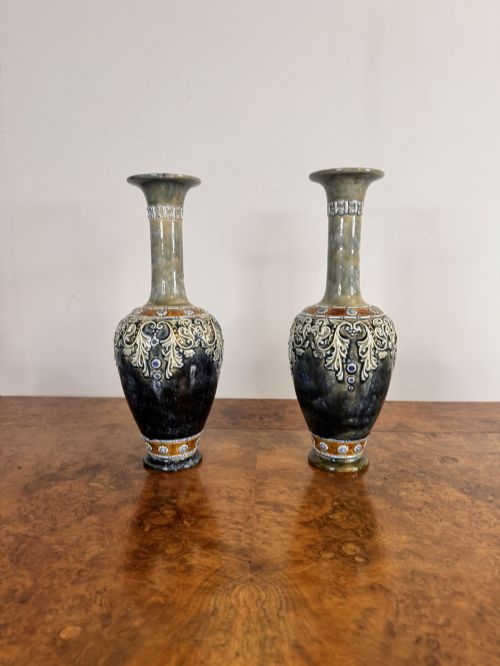
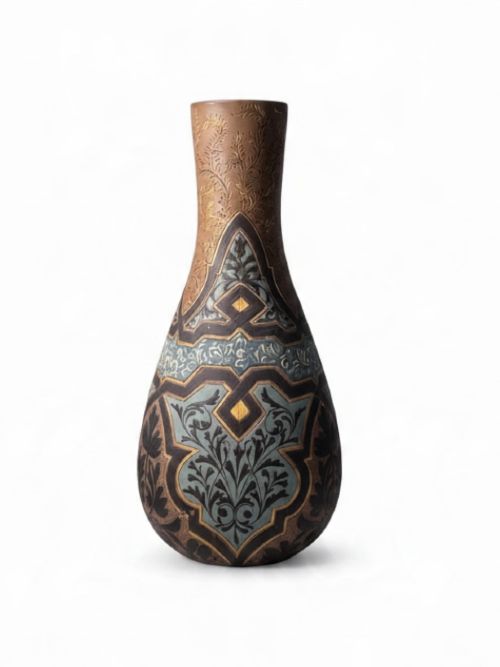
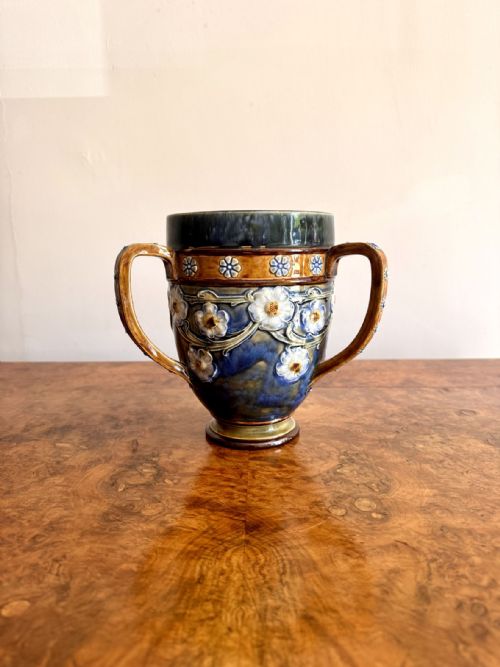
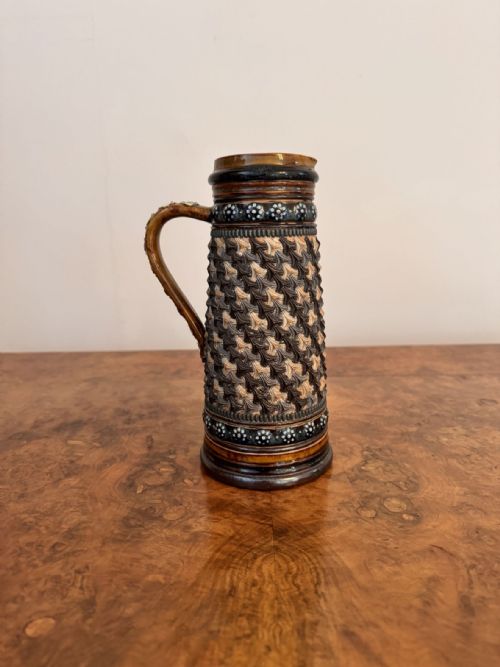
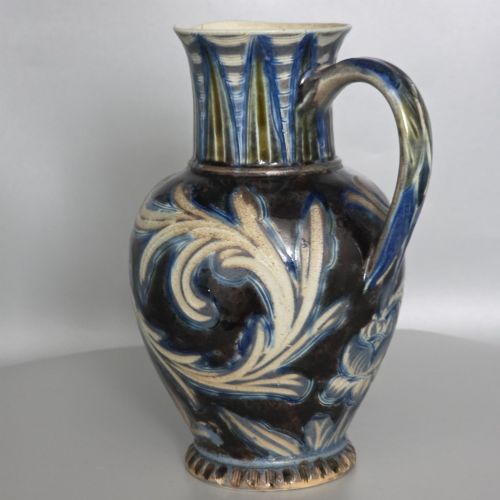
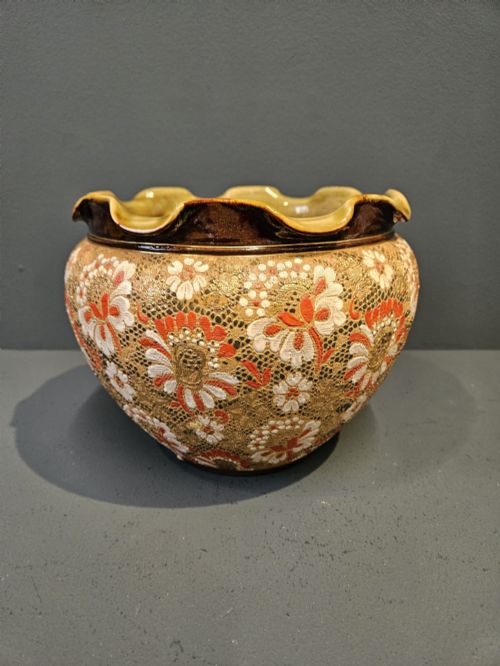
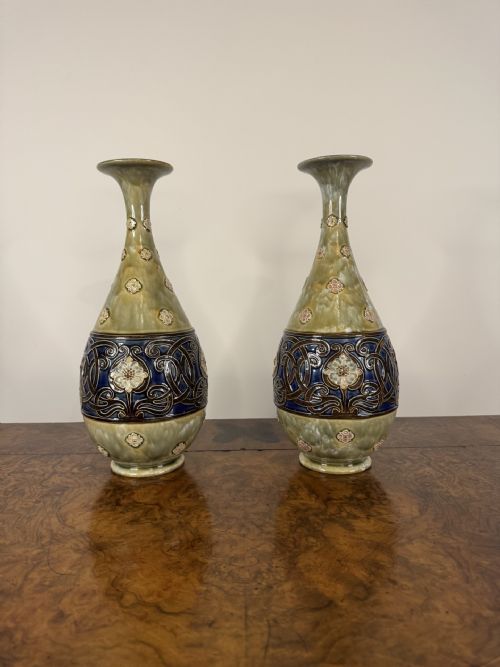
These lambeth stoneware vessels comprise a diverse range of functional and decorative forms, including jugs, vases, jardiniere planters, loving cups, and ewers produced mainly during the late nineteenth and early twentieth centuries.
Buyers will most frequently encounter nineteenth-century and early twentieth-century examples on this page, dominated by the distinctive output of the Doulton potteries in London.
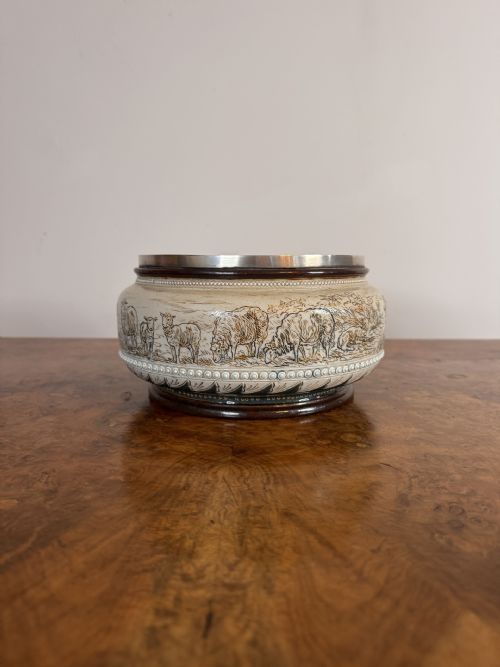
The selection ranges from large architectural tree planters and shipping alcohol jars down to intimate silver-mounted beakers, tygs, and delicate baluster vases.
Materials and Manufacture
The objects are constructed from dense stoneware and ceramic bodies, frequently finished with characteristic salt glazes that impart a subtle texture to the surface.
Many pieces incorporate applied enamel floral decor, incised patterns, and decorative silver mounts attached to rims and handles.
Lambeth Stoneware Vessels Retail Price Guide 2026
Typical asking prices for lambeth stoneware vessels among the pieces listed under this phrase on Sellingantiques today, from the lower quarter to the upper quarter. They describe what is for sale here now, not the wider market.
The inventory spans the Victorian and Edwardian eras, incorporating materials such as stoneware, ceramic, salt glaze, and silver.
Evaluating the Pieces
Quality rests upon the crispness of the incised ornament and the specific mastery of the glaze application across the ceramic body.
The involvement of named artists and prominent studio decorators elevates certain production wares into significant artistic achievements.
Hannah Barlow·Florence E. Barlow·Louisa Wakely·Eliza Simmance·Emily Stormer·Ethel Beard
The Lambeth Stoneware Vessels Glossary
- Salt glaze
- A vitreous coating formed by throwing common salt into the kiln during high-temperature firing, creating an orange-peel texture.
- Tyg
- A large drinking vessel featuring multiple handles designed for communal passing around a table.
- Jardiniere
- An ornamental ceramic pot or stand intended for holding growing plants or flowers.
- Ewer
- A large jug with a wide spout traditionally used for carrying water.
- Baluster
- A vertical architectural form with a swelling lower portion, frequently mirrored in the silhouette of decorative vases.
Lambeth Stoneware Vessels: Frequently Asked Questions
What are lambeth stoneware vessels?
These pieces are durable ceramic containers and ornamental items produced by potteries located in the Lambeth district of London during the Victorian and Edwardian periods.
They encompass utilitarian forms like storage jars alongside highly decorative vases and jugs bearing detailed artistic decoration.
How were these vessels used historically?
Many examples served practical daily functions as drinking vessels, pitchers, and large storage containers for liquids or provisions.
Others functioned purely as interior decoration, taking the form of mantel vases, floral jardinieres, and table ewers.
How do I care for stoneware?
Stoneware is exceptionally durable and requires only gentle cleaning with warm water and a mild cloth to remove accumulated dust.
Avoid harsh abrasives, particularly on pieces that feature delicate enamel decoration or applied silver mounts.
How can I tell the period?
Dating relies heavily upon the stamped factory marks, the stylistic influence ranging from Victorian revival to Art Nouveau, and the specific signatures of studio artists.
Earlier nineteenth-century examples often display denser salt glazes, whereas later Edwardian pieces frequently incorporate brighter enamel floral patterns.