

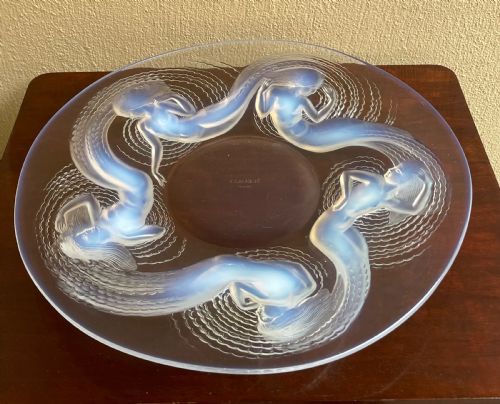


Lalique Glass Plate
These lalique glass plate examples bring tactile Art Deco elegance to a table, combining striking opalescent finishes with intricate moulded designs.
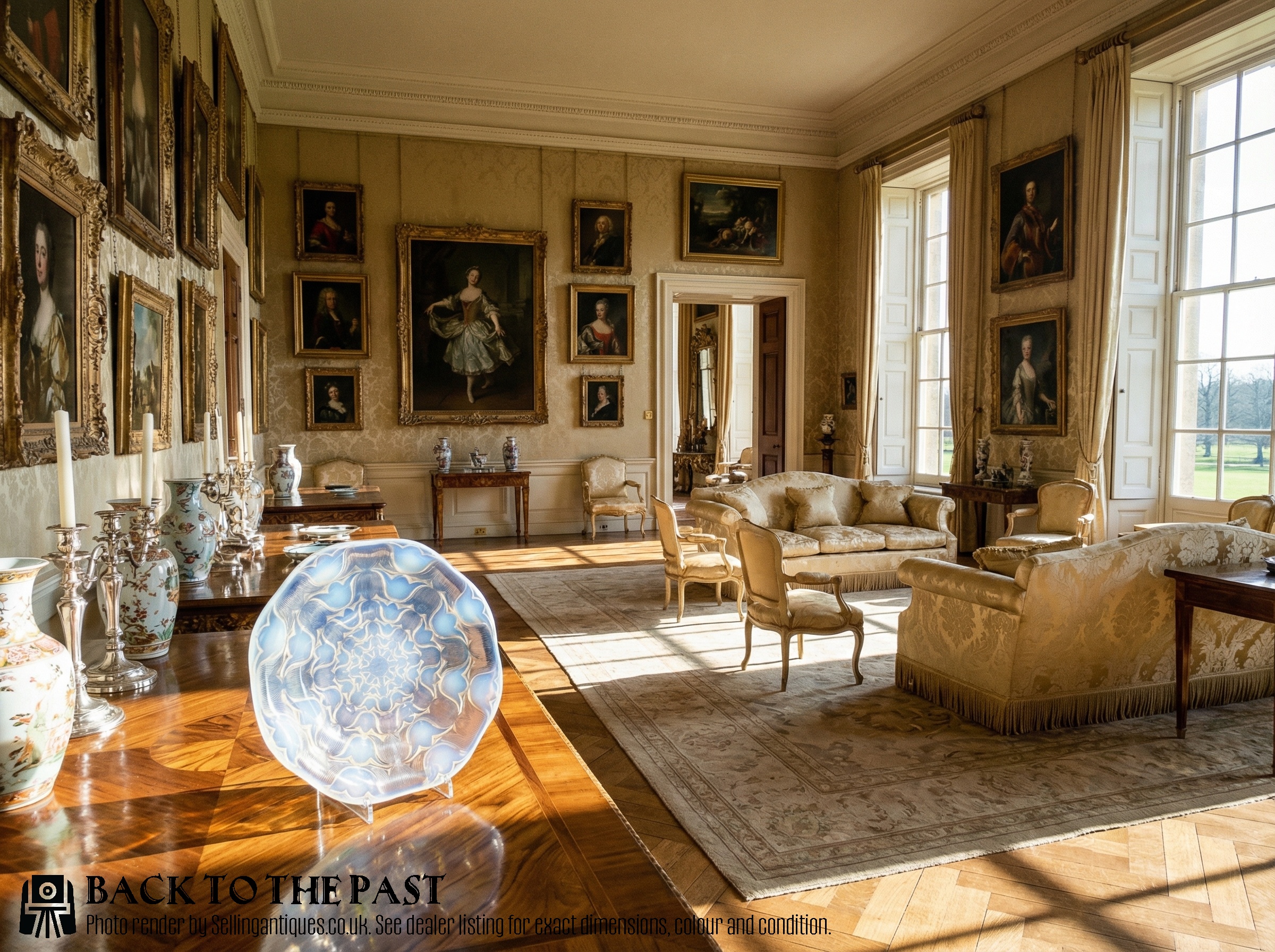
Lalique Glass Plate
When you search for a lalique glass plate, you encounter decorative tableware and chargers originating from the early twentieth century. The selection spans the nineteen-twenties and nineteen-thirties, capturing the shift into Art Deco and Art Nouveau aesthetics.
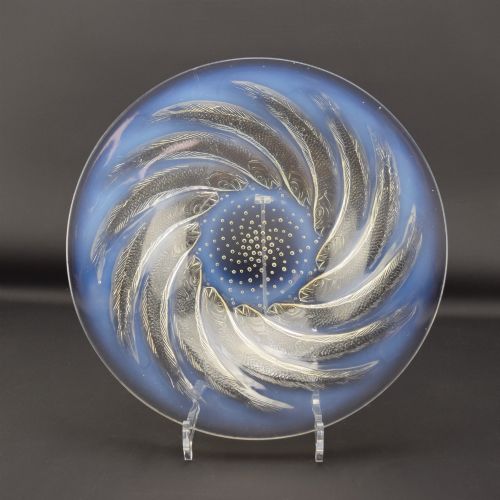
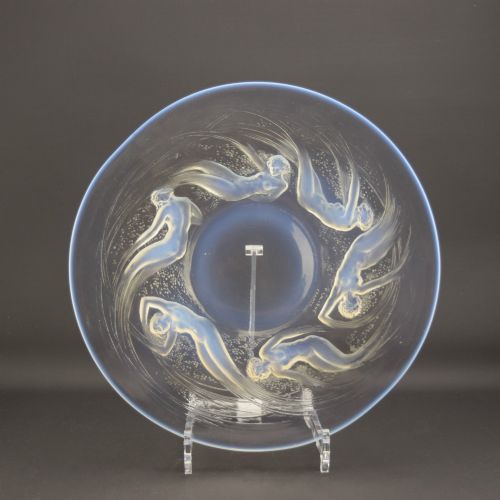
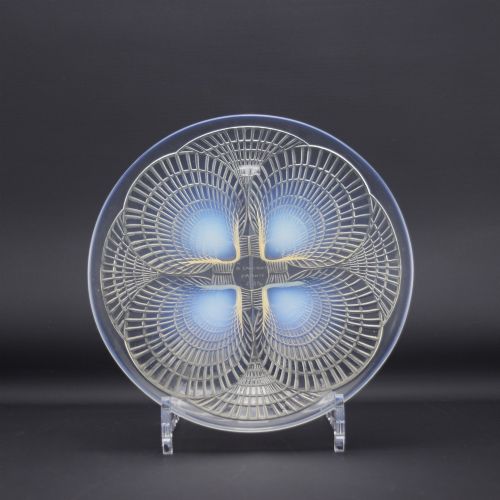
You meet various forms, including shallow bowls, chargers, salvers, and sets of plates. Pieces like the Ondines and Poissons designs recur frequently in the listings, alongside floral and fauna motifs such as Oeillets, Actinia, and Chasse Chiens.
These items function primarily as decorative dishes and display plates rather than everyday utilitarian ware. Their presence alters a room through the interplay of light across moulded glass surfaces.
What varies in quality
The strength and evenness of the opalescence dictate visual impact across different pieces. Strong milkiness and bright blue highlights denote superior visual appeal in handling.
Crispness in the moulded relief determines the finesse of the design. Sharp borders around fish scales, feathers, or floral petals separate finer modelling from softer impressions.
Fish swim across multiple plate designs, ensuring your dining table can feature an eternal school of opalescent creatures.
René Lalique·Verlys
The Lalique Glass Plate Glossary
- Opalescent Glass
- Glass that milky-blue colour which shifts appearance depending on the angle of light. It forms the defining characteristic of many decorative pieces from this era.
- Moulded Glass
- Glass formed by pressing molten material into a metal or iron matrix to create raised patterns. This technique allowed for the serial production of intricate artistic tableware.
- Sepia Stain
- A brown pigment applied into the recesses of a glass design to accentuate the carved details. It provides high contrast against the clear or frosted body.
- Charger
- A large decorative plate used historically as a base or displayed on a wall or sideboard. These substantial pieces anchor a tablescape with heavy glass presence.
- Frosted Glass
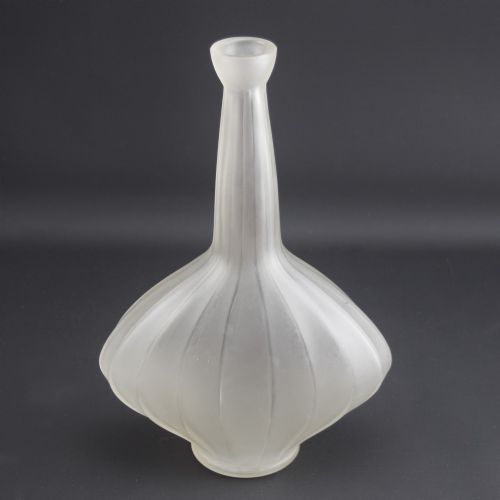
- Glass treated to have a textured, matte surface rather than a clear transparent finish. It diffuses light softly and creates contrast with polished areas.
Lalique Glass Plate: Frequently Asked Questions
Can I use these plates for serving food?
These decorative plates are primarily intended for display or light use. Acidic foods and strong oils can potentially affect antique glass surfaces.
It is safer to use them as decorative centerpieces or display dishes rather than for daily dining.
How do I identify Art Deco pieces?
Art Deco pieces typically feature symmetrical geometric patterns, stylised nature motifs, and strong vertical lines. The aesthetic values sleek modernity and industrial forms.
In glasswork, this translates to stylised fish, plunging curves, and bold relief work created during the nineteen-twenties and thirties.
What makes opalescent glass change colour?
Opalescent glass contains chemical agents that scatter light wavelengths differently depending on the viewing angle. Transmitted light appears warm and amber, while reflected light shows a cool blue.
This optical property gives the material its characteristic depth and movement under changing room illumination.