

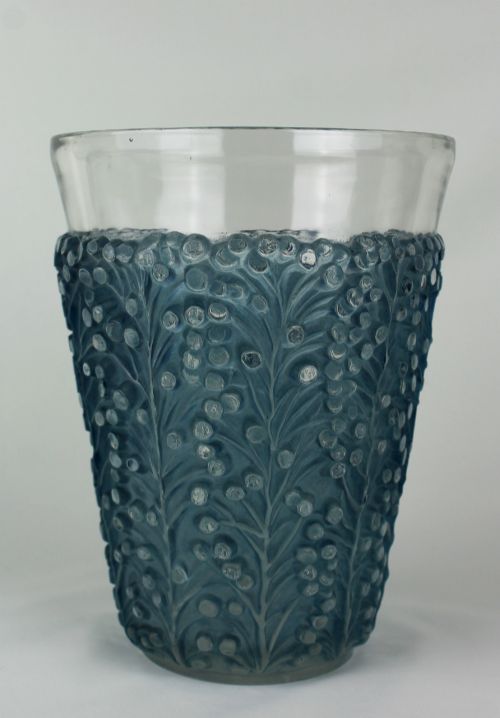


Lalique Glass Flower
Lalique glass flower pieces are exquisite moulded items representing botanical forms from the Art Deco era that collectors prize for their tactile frosted surfaces.
Lalique Glass Flower
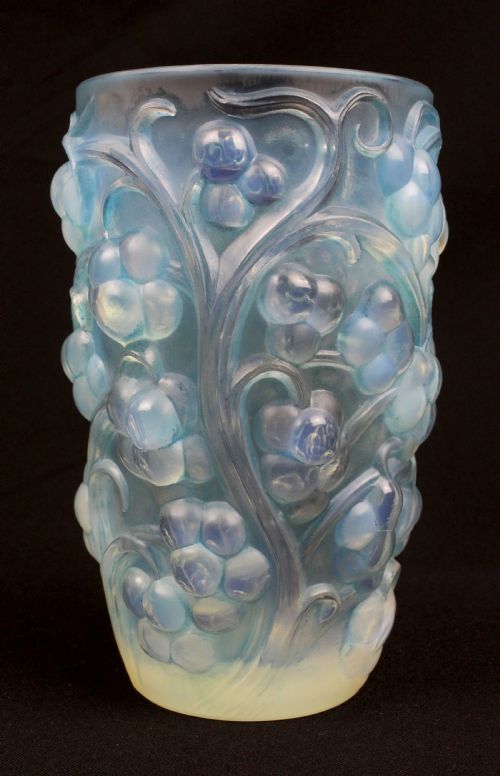
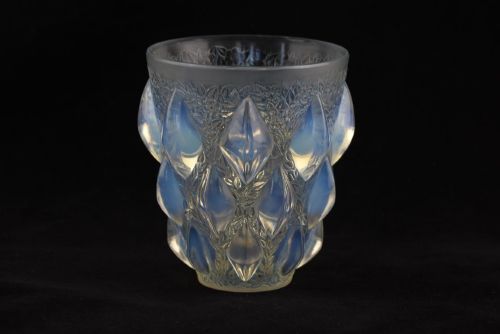
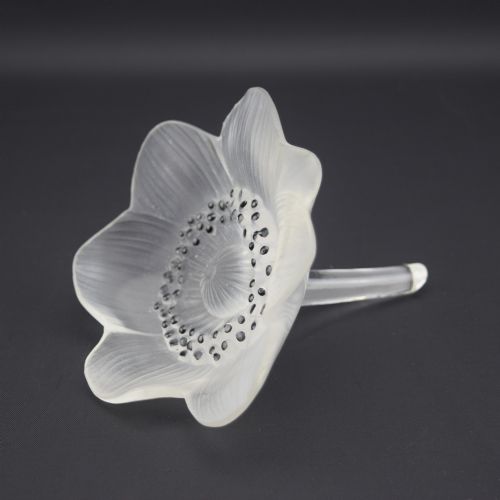
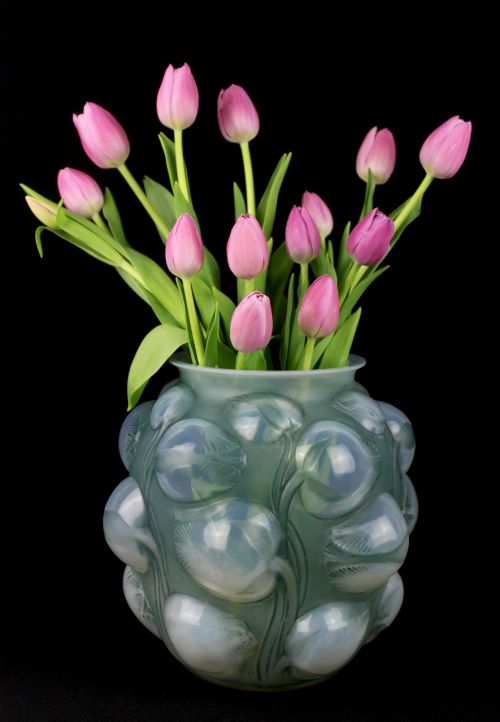
When you search for lalique glass flower items, you encounter vases, footed bowls, and paperweights from the 1920s and 1930s. These decorative objects celebrate botanical subjects such as tulips, anemones, and roses.
You are most likely to meet frosted or opalescent glass vessels designed during the height of the Art Deco period. Pieces like the Saint Tropez and Tulipes vases show the signature naturalistic motifs executed in glass.
How they were made
These items were produced using moulding techniques to shape clear, opalescent, or cobalt glass into complex floral forms. Molten material filled intricate metal moulds to capture the detailed petals of flowers like the carnation or violet.
Makers utilised frosted glass finishes and blue patina to accentuate the depth and texture of the botanical ornamentation. Enamel details occasionally added colour contrast to the relief decoration of the vessels.
Lalique Glass Flower Retail Price Guide 2026
Typical asking prices for lalique glass flower among the pieces listed under this phrase on Sellingantiques today, from the lower quarter to the upper quarter. They describe what is for sale here now, not the wider market.
Listings feature items exclusively from the 1920s, Edwardian period, and 1930s, utilising frosted, opalescent, moulded, and clear glass.
What varies in quality
The sophistication of the mould design and the crispness of the floral relief define the upper tier of these pieces. Deeper opalescence and finer execution of botanical details distinguish superior examples from simpler ones.
The application of patination and the clarity of the underlying crystal or frosted glass alter the visual weight of each object. Subtle variations in the distribution of opalescent tones across the flower heads affect the overall harmony of the design.
René Lalique
The Lalique Glass Flower Glossary
- Opalescent Glass
- Glass that displays a milky, iridescent quality, shifting between blue and amber tones depending on the light. This effect highlights the raised floral motifs.
- Frosted Glass
- A surface treatment achieved by acid-etching or sandblasting to create a matte, translucent texture. It softens the appearance of the glass and diffuses light across the moulded details.
- Moulded Glass
- A forming technique where molten glass is pressed into a metal or wooden matrix to create detailed three-dimensional relief patterns. This method allowed for the precise replication of delicate petals.
- Patina
- A coloured pigment or stain applied to the recesses of the glass design to create contrast and depth. Blue patina is frequently utilised to emphasise floral contours.
Lalique Glass Flower: Frequently Asked Questions
What are lalique glass flower items?
These pieces are decorative glass objects shaped as vases, bowls, and paperweights featuring botanical motifs like tulips, anemones, and roses. They date primarily from the 1920s and 1930s.
Created during the Art Deco period, they showcase techniques such as moulding, frosting, and opalescent colouring to bring plant forms to life in glass.
How were these glass items used?
They functioned as ornamental vases for display, decorative footed bowls, and paperweights for desks. Their sculptural botanical designs made them centrepieces in homes.
Owners appreciated them as works of art that captured natural forms through industrial glassmaking processes.
How do I live with lalique glass flower pieces?
Display them in places with direct or indirect light to fully appreciate the opalescent qualities and frosted surfaces. Natural daylight helps reveal the shift in tones.
Keep them away from busy backgrounds so the intricate floral reliefs and patinated details remain clearly visible.
How can I tell the periods apart?
Pieces from the 1920s and Edwardian transition often feature specific floral naming conventions and distinct Art Deco styling. The shift towards mid-century production is marked by different labelling and stylistic refinements.
Examining the depth of the moulded flower heads and the type of glass used helps identify whether a piece belongs to the early or later phases.