




Lake District Landscape Painting
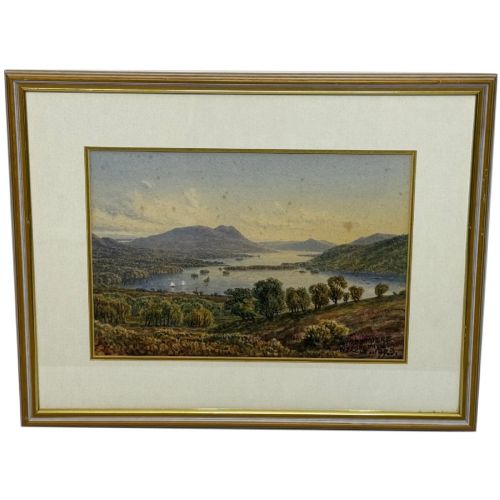
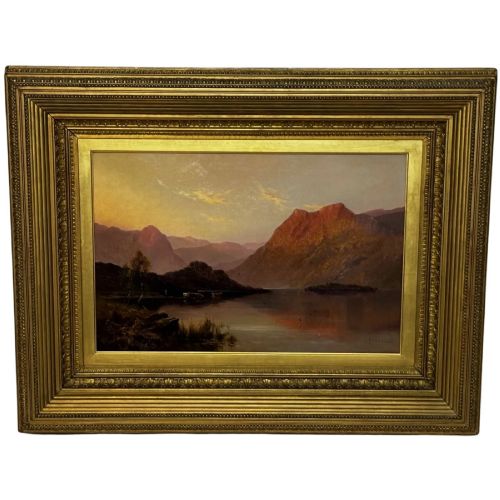
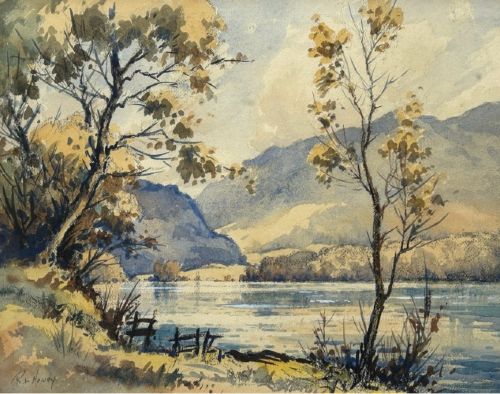
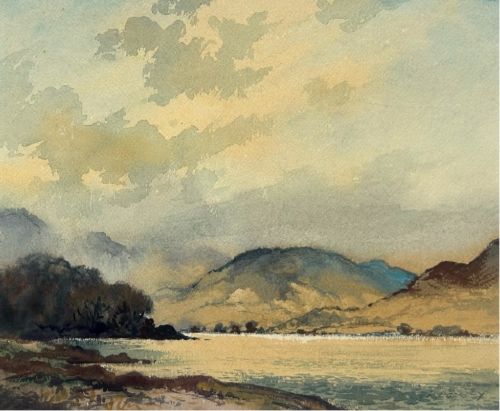
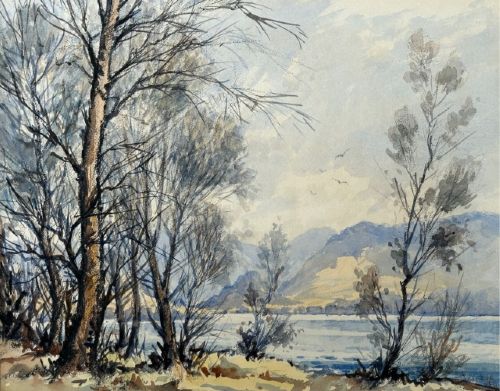
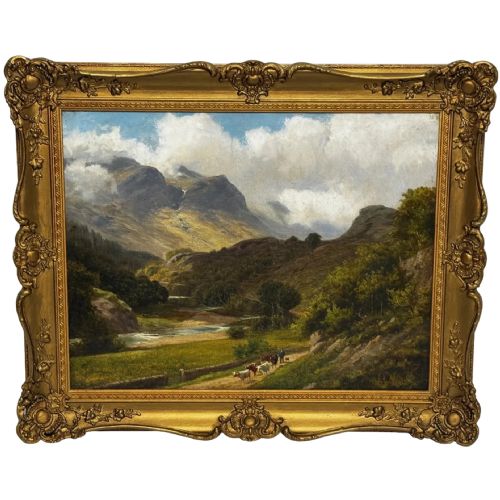
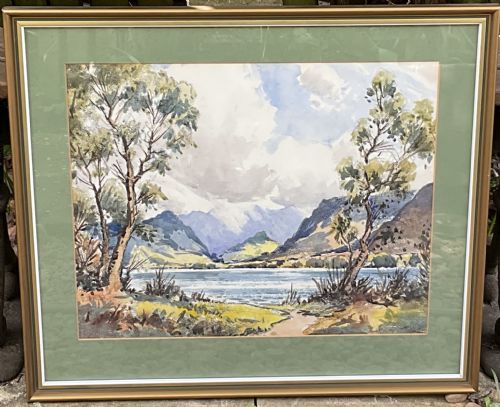
A lake district landscape painting captures the distinctive fells, waters, and valleys of northern England through the eyes of artists working across several centuries.
Lake District Landscape Painting
A lake district landscape painting portrays the specific topography of Cumbria, including major waters like Windermere, Derwentwater, and Ullswater, alongside surrounding fells and valleys.
The works available range from eighteenth-century topographical sketches and nineteenth-century oils to mid-twentieth-century watercolour and impasto interpretations.
Common subjects include local villages, bridges, waterfalls, and mountain tarns recorded during various periods of British landscape art.
How They Were Made
Artists worked primarily in oil on canvas or board, and in watercolour pigment on paper, often incorporating ink for preliminary sketches.
Framing frequently utilised wood and gesso, protecting the works beneath glass in the case of watercolours.
Listings feature works spanning from the seventeenth century through to mid-twentieth-century British impressionism.
What Varies in Quality
Earlier topographical precision gives way in other examples to freer impressionistic brushwork and impasto texture, reflecting the stylistic shifts of different decades.
Alfred Fontville de Breanski Jr·Robert Leslie Howey·Helen Layfield Bradley·Edward Dayes·James Gunson Atkinson·Edward Horace Thompson·Joseph Farrington RA·Stephen Enoch Hogley·Alfred de Breanski·Claude Muncaster·Frederick Tucker·T.B.Garvie·Sidney Richard Percy·Cornelius Pearson·Tom Dudley·William Mellor·Percy Lancaster·Charles Pettitt·B R Townend·Augustus William Enness·Arthur Tucker·J Bigland·W L Sunderland·Bob Tucker·William Green
The Lake District Landscape Painting Glossary
- Watercolour
- A paint consisting of water-soluble pigments applied to paper. This medium was widely utilised by artists recording topographical views.
- Impasto
- Paint applied thickly to a canvas or board so that the brush or knife marks stand out visibly. This technique adds tactile texture to mountain and water surfaces.
- Topographical
- Representing specific places accurately as they appear in reality. These views focus closely on identifiable Cumbrian locations.
- Gesso
- A plaster-like mixture applied to wood frames to provide a smooth surface for gilding and ornamentation. It is commonly found on antique frames enclosing these works.
Lake District Landscape Painting: Frequently Asked Questions
How do I identify the location in a lake district landscape painting?
Many works include titles or inscriptions on the backing, mount, or canvas detailing specific sites such as Grasmere, Borrowdale, or Windermere.
Artists often recorded the exact valley, beck, or fell in the composition, allowing viewers to match the topography to known Cumbrian landmarks.
What is the difference between oil and watercolour versions?
Oil paintings on canvas or board provide heavier texture and deeper layers of pigment, frequently utilising impasto or varnished surfaces.
Watercolour paintings on paper offer a lighter, translucent quality that relies on the white of the paper to illuminate skies and water.
How should I frame and display these paintings?
Watercolours require framing behind glass to protect the paper and pigments from atmospheric moisture and dust.
Oil paintings on canvas are typically housed in wooden gesso frames and should be kept away from direct sunlight and dramatic humidity changes.
How can I tell the period of the artwork?
Dating relies on signatures, artist lifespans, stylistic movements such as British Impressionism or Georgian topographical traditions, and framing materials.
Examine the back of the piece for contemporary inscriptions, dealer labels, or dates written by the artist.