



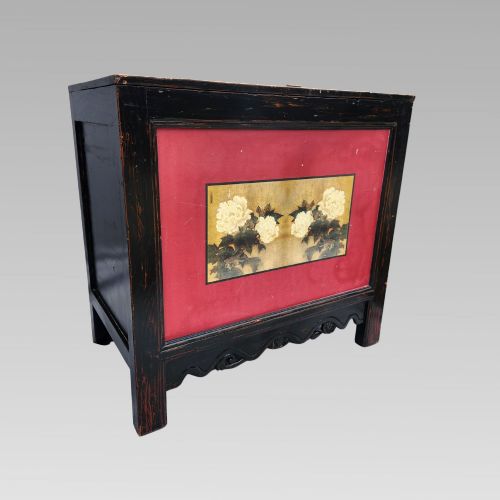

Lacquered Storage Chest
A lacquered storage chest brings deep gloss and intricate ornament to a room, holding belongings within layers of history.
Lacquered Storage Chest
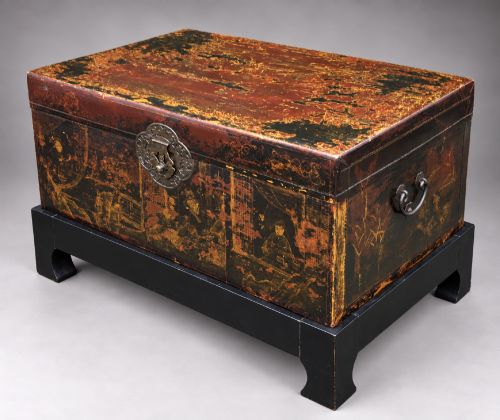
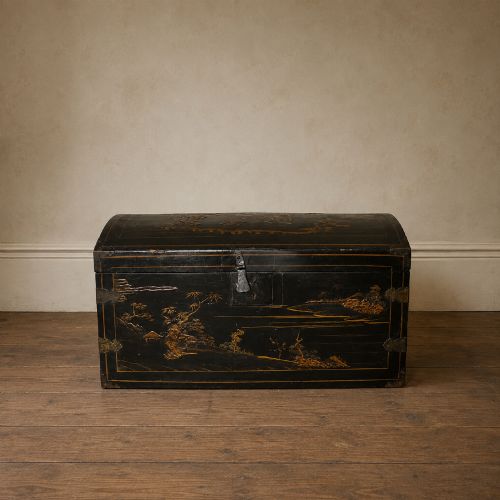
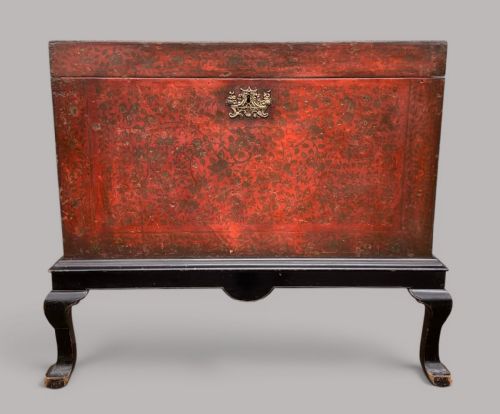
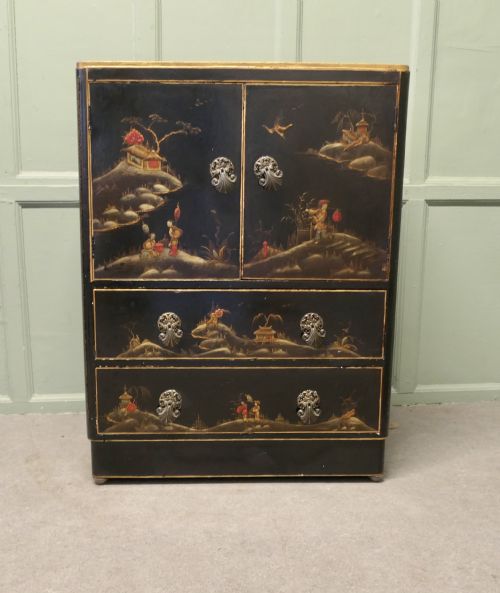
When you examine a lacquered storage chest, you look at pieces spanning centuries from Chinese Export, Chinoiserie, and Japanese traditions. These containers range from domed trunks and coffers to cabinets on stands, designed to secure valuables and textiles.
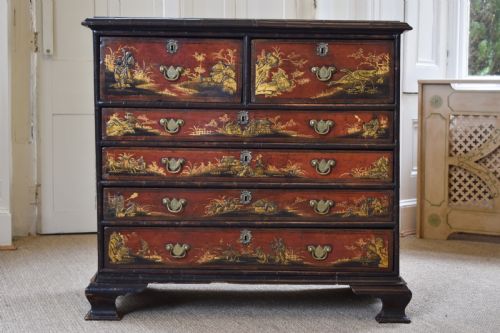
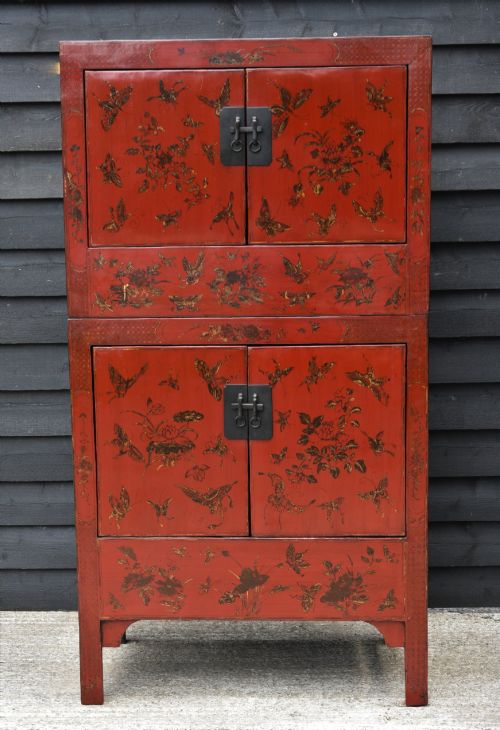
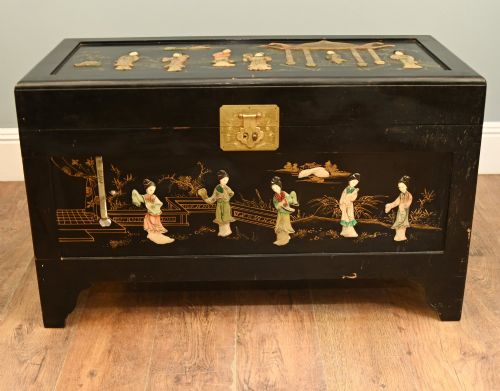
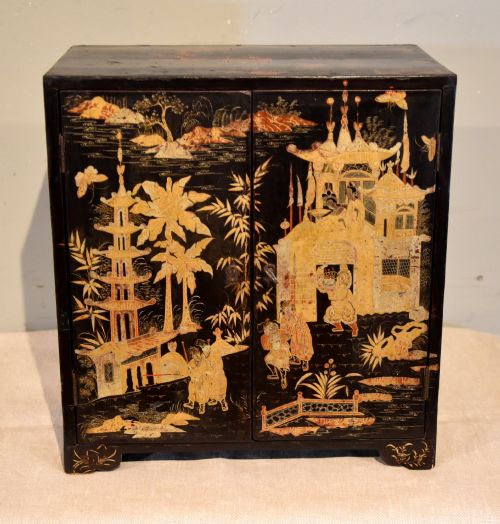
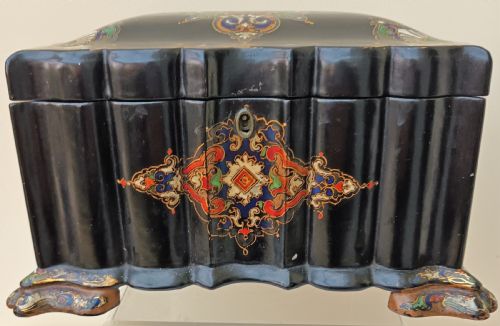
The version most frequent on this page is the nineteenth-century Chinese or Japanese trunk finished in black or red lacquer. Makers applied detailed gilt decoration, floral motifs, and figures to surfaces of wood and camphor.
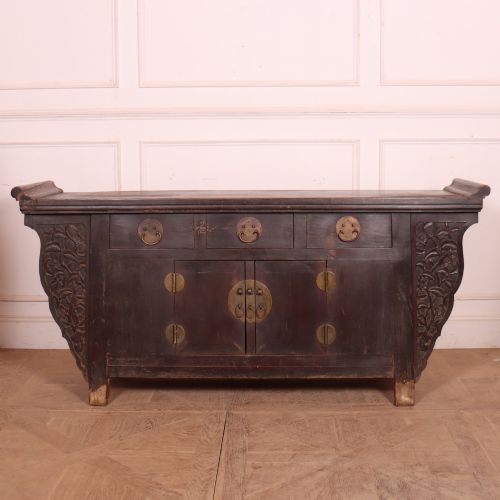
Beyond trunks, the selection includes side cabinets, apothecary chests with multiple drawers, and smaller caddies. Each form displays regional methods of construction, from traditional Chinese joinery to tansu framework.
How they were made
Craftsmen built these containers using wood bases, applying successive coats of natural resin lacquer to form a hard, durable surface. Artisans often added gold leaf, paint, and penwork to create pictorial scenes of birds, flowers, and landscapes.
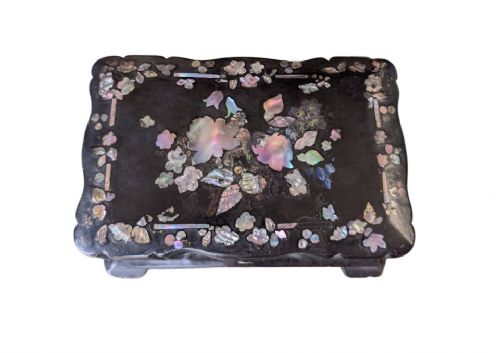
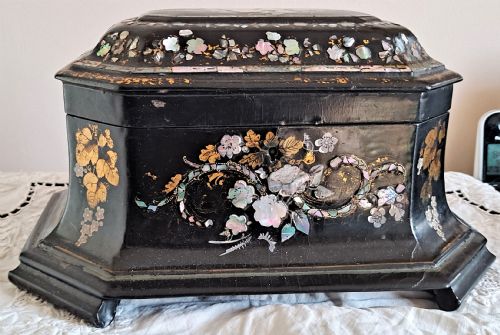
Metal fittings in brass and iron provided structural reinforcement and functional handles for heavy trunks and chests. Inlaid details using mother-of-pearl appear on select pieces, adding textural contrast to the smooth lacquered panels.
Lacquered Storage Chest Retail Price Guide 2026
Typical asking prices for lacquered storage chest among the pieces listed under this phrase on Sellingantiques today, from the lower quarter to the upper quarter. They describe what is for sale here now, not the wider market.
Listings feature pieces from the eighteenth century through the 1930s, using lacquer, wood, brass, iron, and gold leaf.
What varies in quality
The depth of the lacquer finish and the precision of the gilt work set the finer examples apart from simpler utility pieces. Superior execution shows in crisp, hand-painted details that retain their clarity and adherence across the wooden substrate over centuries.
Original stands, intact metal mounts, and undisturbed surface patination elevate a piece's standing among collectors. Alterations to the finish or replacement hardware change the integrity of the object.
The Lacquered Storage Chest Glossary
- Lacquer
- A durable finish derived from tree sap, applied in multiple layers to wood and polished to a smooth sheen. It protects the underlying material while providing a deep, reflective surface for decorative painting.
- Chinoiserie
- European theatrical interpretation of Chinese and East Asian artistic styles, popular during the eighteenth and nineteenth centuries. This aesthetic appears frequently on cabinets and tea caddies decorated with whimsical figures and landscapes.
- Tansu
- Traditional Japanese mobile storage cabinetry constructed from wood with iron hardware. These pieces feature specialised drawer configurations designed for domestic organisation.
- Coffer
- A chest or box used for holding valuables, often featuring a domed or flat lid and heavy construction. Eighteenth and nineteenth-century examples often display elaborate exterior decoration.
- Penwork
- A detailed decorative technique utilising ink or paint applied with a fine pen to create intricate linear patterns. This method is seen on Regency period tea caddies.
Lacquered Storage Chest: Frequently Asked Questions
How do I care for a lacquer surface?
Keep these pieces away from direct sunlight and excessive humidity to prevent the finish from drying or cracking. Dust gently with a soft, dry cloth without applying modern chemical polishes.
Maintaining stable indoor temperatures preserves the natural resin and prevents the underlying wood from expanding and stressing the decorative layers.
What is the difference between a chest and a cabinet?
A chest typically opens from the top via a lid, serving as a trunk for blanket and garment storage. Cabinets feature front-opening doors and often internal shelving or drawers.
Both forms utilise lacquer and gilt decoration, but their internal architecture serves different domestic functions.
How can I tell a Chinese export piece from a Japanese tansu?
Chinese export pieces frequently feature black or red lacquer with gold gilt floral and figurative motifs. Japanese tansu chests emphasise exposed wood, such as kiri, or functional red lacquer with robust iron corner brackets.
Construction methods and hardware design differ distinctly between these regional traditions.
Were these chests used for travel?
Many heavy trunks and coffers were built for maritime trade and long-distance transport, equipped with metal handles for lifting. They protected textiles and valuables during transit before settling into domestic interiors.
Over time, their primary role shifted from travel containers to decorative furniture.