

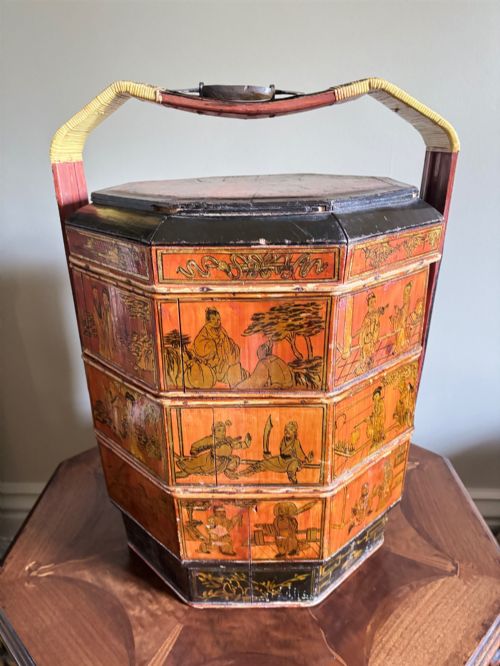


Lacquer Storage Box
A lacquer storage box brings depth and texture to a room, offering practical containment with centuries of decorative tradition.
Lacquer Storage Box
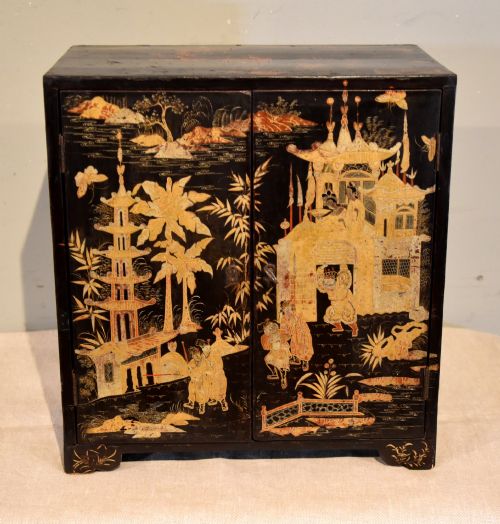
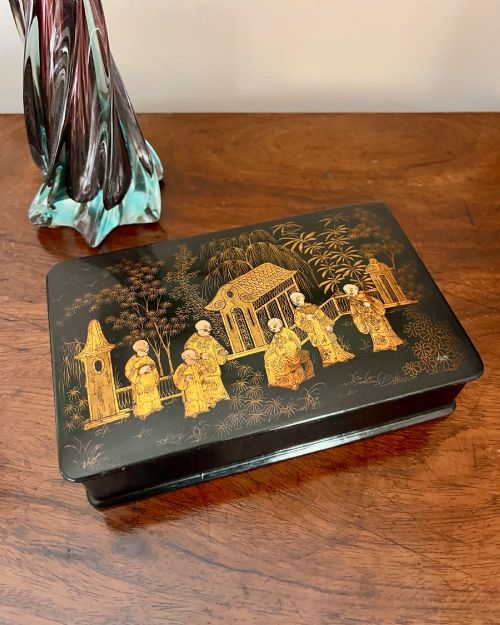
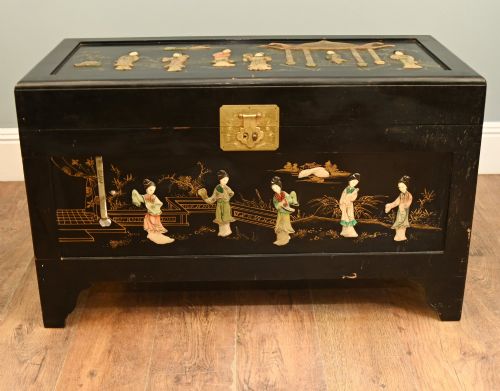
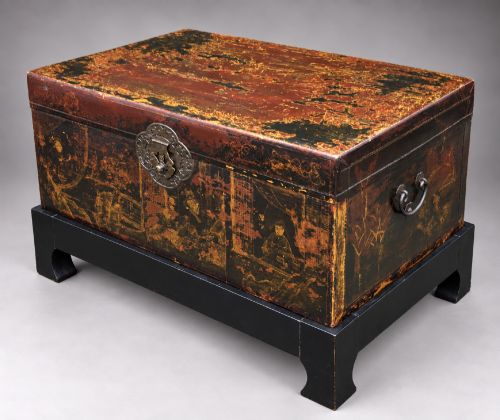
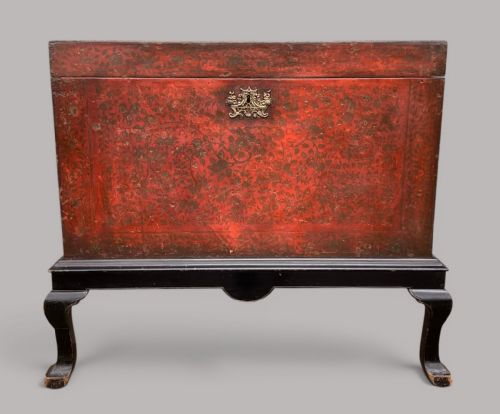
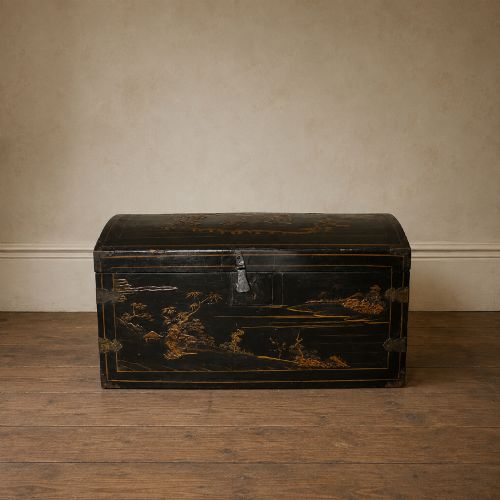
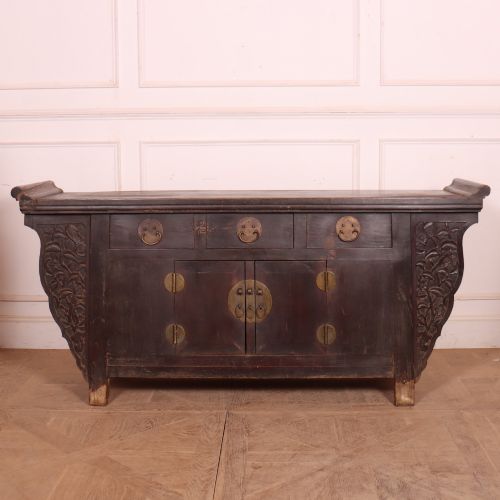
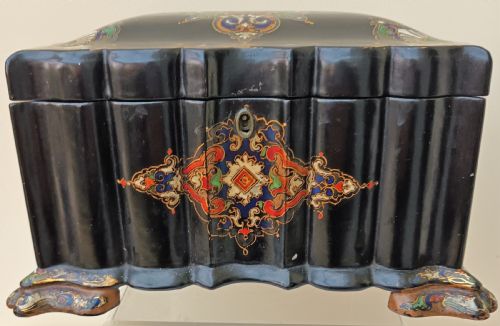
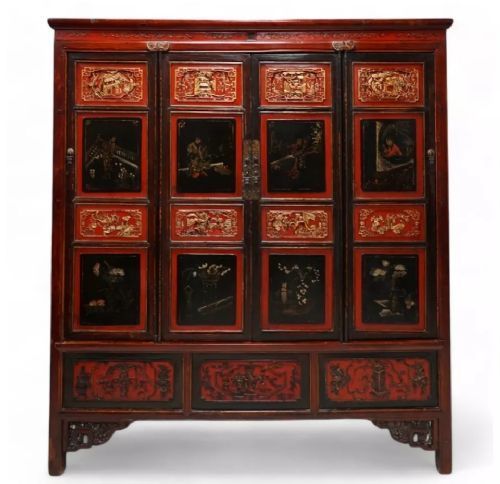
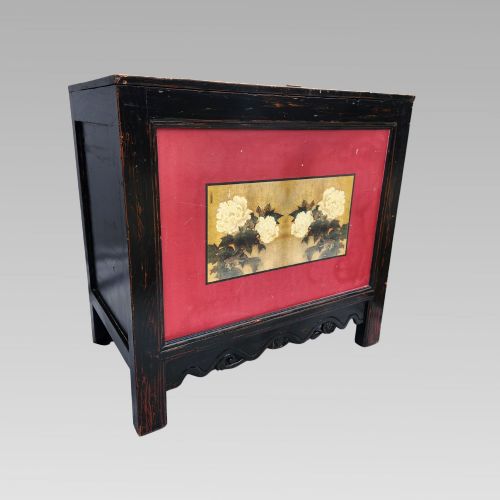
When searching for a lacquer storage box, buyers encounter an array of vessels designed to hold tea, garments, documents, or valuables. These items range from small tabletop tea caddies and lidded pots to large blanket chests, wedding coffers, and trunks on stands.
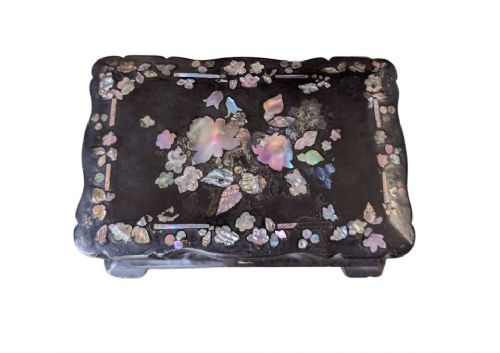
The pieces originating from China, Japan, India, and Britain span several centuries, including the eighteenth, nineteenth, and early twentieth centuries. Black and red lacquer finishes predominate, often paired with gold leaf, paint, or brass hardware.
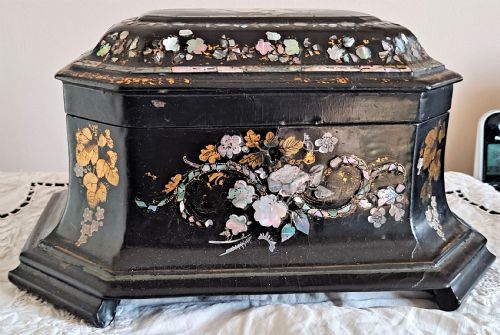
Domestic English examples often take the form of Victorian papier-mâché tea caddies, whilst larger trunks and chests reflect export traditions from Asian workshops. Buyers frequently meet these varied forms, which adapt readily to contemporary interiors for concealing modern clutter.
How they were made
Craftsmen built the underlying structures primarily from wood, papier-mâché, or leather before applying successive coats of lacquer to create a durable, smooth surface. Wood varieties such as elm, camphor, and kiri served as stable foundations for Asian and English items alike.
Decoration relied on skilled application of gold leaf, hand painting, and gilt motifs, frequently executed in Chinoiserie styles depicting landscapes, figures, or floral patterns. Brass handles, hinges, and escutcheons completed the construction, adding structural reinforcement alongside visual contrast.
Several boxes double as gaming equipment, holding tiny compartments once dedicated to Victorian card games and counters.
What varies in quality
The integrity of the lacquer surface dictates much of the visual appeal, separating pieces with smooth, deep finishes from those showing extensive flaking or unsympathetic restoration. The precision of hand-painted details and gilt work also signals the original maker's skill level.
Structural soundness in the underlying wood or papier-mâché foundation determines longevity, particularly in larger trunks and coffers that sustained heavy use. Original brass hardware and intact interiors further distinguish superior examples from heavily altered pieces.
The Lacquer Storage Box Glossary
- Chinoiserie
- European decorative style reflecting Chinese artistic influences, commonly seen in gilt motifs on black or red backgrounds. This aesthetic dominated many English and export furnishings during the eighteenth and nineteenth centuries.
- Cofer
- Large chest or trunk with a domed or flat lid, traditionally utilised for storing valuables or textiles. These sturdy containers often feature reinforced metal bands or elaborate surface decoration.
- Papier-mâché
- Composite material made from paper pulp or layers of paper bound with glue, pressed and dried into rigid forms. Victorian makers frequently used this technique for lightweight tea caddies finished with lacquer and mother-of-pearl inlay.
- Tansu
- Traditional Japanese mobile storage cabinet constructed from wood with metal fittings. These modular units served various domestic functions before finding favour among collectors of Asian antiques.
- Tea caddy
- Small box or chest engineered specifically for storing loose tea leaves, often fitted with internal compartments and a lock. Surviving examples frequently employ lacquer, wood, or papier-mâché.
Lacquer Storage Box: Frequently Asked Questions
How do I clean a lacquer storage box?
Dust the surface gently with a soft, dry cloth to prevent scratching the delicate finish. Avoid using water, chemical polishes, or abrasive cleaners which can permanently damage the lacquer layer.
Keep the piece away from direct sunlight and excessive heat sources to prevent the wood underneath from expanding and cracking the outer coating.
What were tea caddies used for?
Tea caddies served to store expensive tea leaves securely in the home, often featuring internal lidded compartments to separate different varieties. Because tea was a valuable commodity in past centuries, these boxes were regularly fitted with working locks.
Servants brought the caddy to the drawing room where the host prepared the brew, making the box both a functional container and a display item.
How do I tell an 18th century box from a 19th century one?
Eighteenth-century examples often display subtle differences in construction techniques, timber preparation, and hand-mixed lacquer pigments compared to later mass-produced items. The wear patterns on early export pieces tend to show softer patination from age.
Examining the interior linings, hardware fixings, and hinge types helps establish the probable manufacturing period when combined with stylistic evidence.
Can I use these chests for modern storage?
These trunks and coffers provide robust space for blankets, linens, and everyday items in contemporary rooms. Their sturdy construction makes them suitable for daily interaction while concealing modern clutter.
Ensure that internal surfaces are clean and dry before storing textiles, and check that lids open freely without straining historical hinges.