



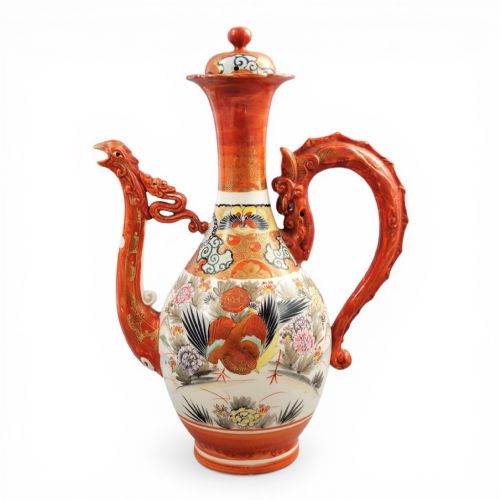


Kutani Ware Ceramic
Kutani ware ceramic pieces bring vibrant hand-painted enamel and gold leaf detail to Japanese porcelain forms, prized by collectors for their rich mythological subjects and decorative presence.
Kutani Ware Ceramic
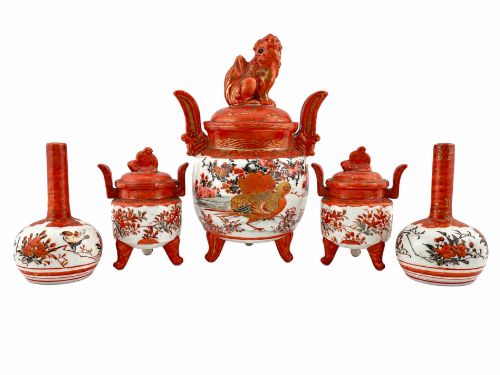
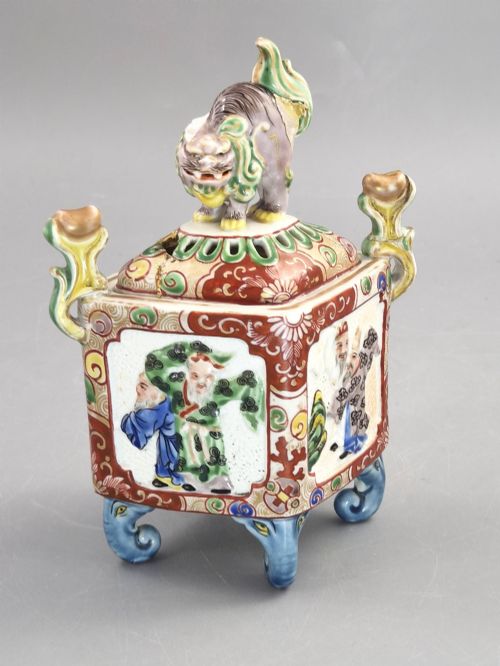
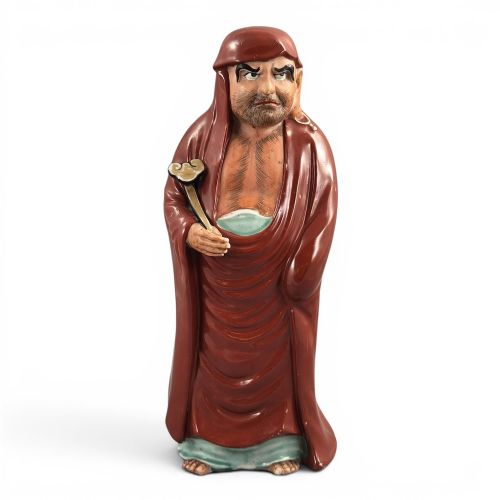
Beyond vessels, these listings include sculptural figures such as the Buddhist deity Kannon, the longevity god Jurojin, Daruma okimono, and protective shishi lions. Incense burners like tripod koro and censers shaped as treasure ships also appear among these Japanese export works.
The objects span the nineteenth century through the early twentieth century, reflecting the vibrant export trade of the era. Most examples seen here date specifically from the Meiji period, showcasing the detailed artistry developed in regions like Kaga.
How they were made
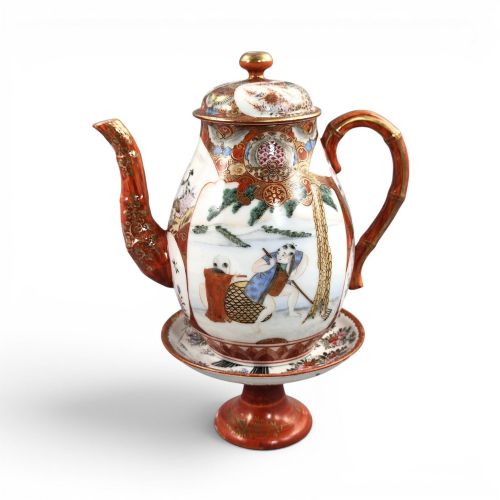
Potters shaped fine white porcelain into vessels and figures before applying complex decorative schemes. The physical creation relied on meticulous throwing, moulding, and carving techniques suited to both delicate tea sets and large garnitures.
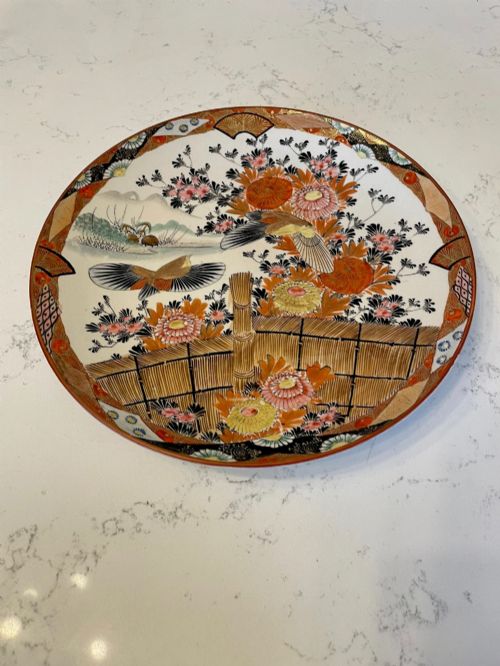
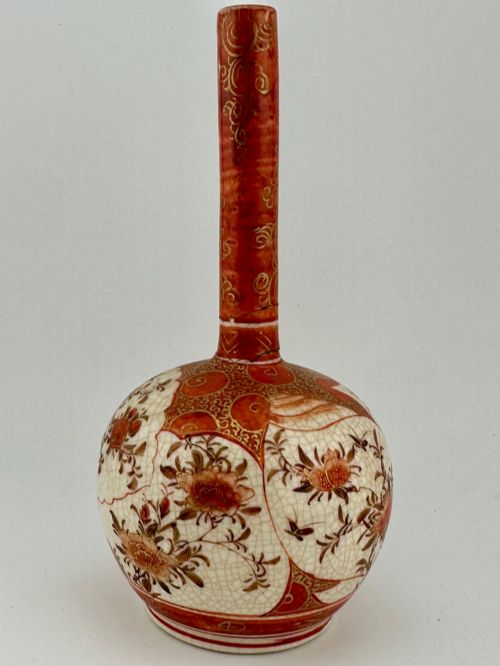
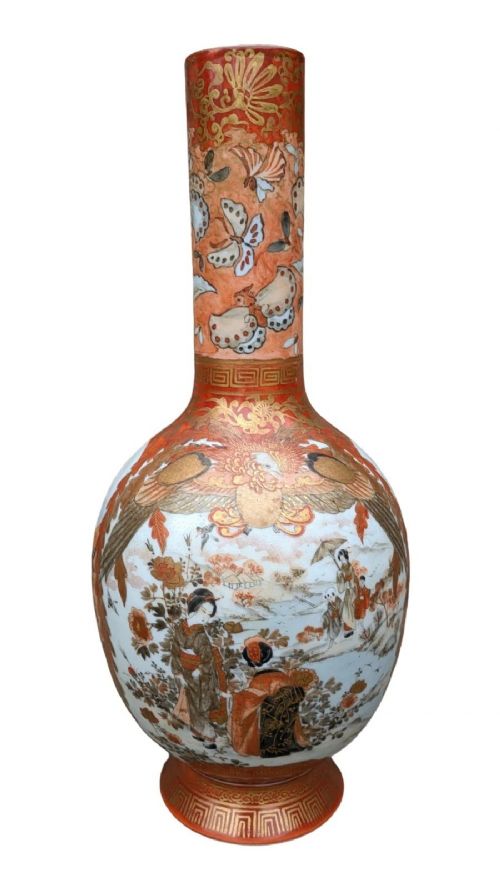
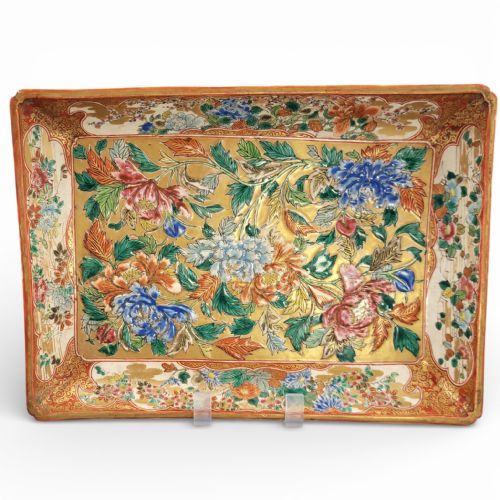
Artisans utilised overglaze enamel alongside iron red pigments and gold leaf gilding to build up rich pictorial surfaces. Relief work known as moriage added tactile dimensional detail to the painted designs of birds, dragons, and peonies.
Kutani Ware Ceramic Retail Price Guide 2026
Typical asking prices for kutani ware ceramic among the pieces listed under this phrase on Sellingantiques today, from the lower quarter to the upper quarter. They describe what is for sale here now, not the wider market.
Several ceramics take the charming shape of a treasure ship, ready to sail across your mantelpiece.
What varies in quality
Quality in these ceramics depends on the precision of the hand painting and the density of the gilding. Superior examples display crisp brushwork in the depiction of figures, feathers, and floral motifs without blurring or smudging.
The complexity of the form and the inclusion of specialised decorative elements, such as intricate moriage relief or signed artisan panels, distinguish standard production pieces from exceptional workshop outputs.
Shozo·Kinrin Workshop
The Kutani Ware Ceramic Glossary
- Moriage
- A decorative technique using clay applied in raised dots or lines beneath the glaze or enamel to create tactile surface relief. This method adds a distinct three-dimensional texture to vases and figurines.
- Koro
- A traditional Japanese incense burner typically supported by tripod feet and fitted with a pierced cover. These ceramic vessels often feature mythical beast finials like the karashishi.
- Garniture
- A matching set of ceramic vases or jars designed for symmetrical display on a mantelpiece or cabinet. These sets usually comprise three or five coordinated pieces.
- Okimono
- A small decorative statue or figurine intended for display in a traditional Japanese home interior. Common subjects include deities, historical figures, and sacred animals.
- Shishi
- A mythical guardian lion or dog derived from Buddhist tradition, frequently rendered as a sculptural finial or model. These figures are typically depicted with powerful jaws and curly manes.
Kutani Ware Ceramic: Frequently Asked Questions
What is kutani ware ceramic?
Kutani ware ceramic is a traditional style of Japanese porcelain recognised for its bold overglaze enamels and extensive use of gold leaf. The pieces often feature detailed pictorial scenes of figures, birds, and flowers.
Production flourished during the nineteenth century, particularly within the Meiji period, for both domestic use and international export.
How do I date these pieces?
Dating relies on stylistic markers, historical periods, and workshop signatures recorded on the base or body of the porcelain. Meiji period items typically display dense polychrome decoration and fine gilding characteristic of late nineteenth-century export wares.
Earlier nineteenth-century pieces may exhibit different palette choices and potting weights compared to later Edwardian or Taisho examples.
How were incense burners used?
Tripod koro and censers served to burn aromatic incense during traditional ceremonies, quiet contemplation, or social gatherings. The pierced covers allowed the fragrant smoke to disperse evenly through the room.
Beyond functional use, these vessels functioned as decorative centrepieces reflecting scholarly and spiritual tastes.
How do I care for my porcelain?
Keep the ceramic pieces out of direct sunlight to preserve the vibrancy of the overglaze enamels and delicate gold leaf gilding. Dust the surface gently with a soft, dry cloth rather than using liquid cleaners.
Avoid abrasive materials that might scratch the hand-painted details or wear down the raised moriage relief.