




Kurdish Village Carpet
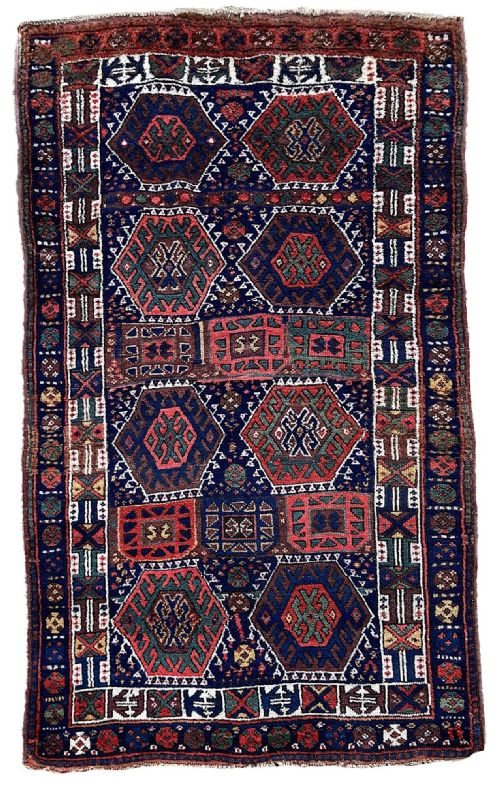
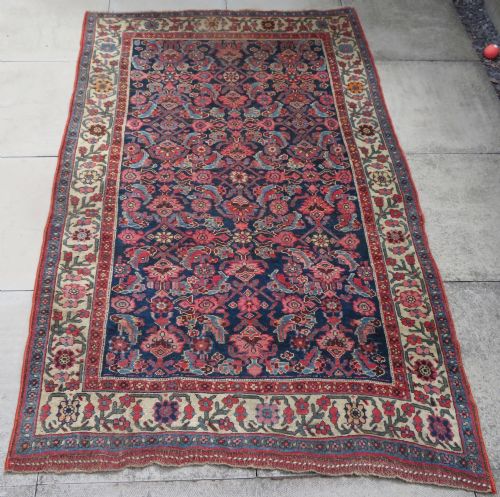
These kurdish village carpet pieces are rugged tribal floor coverings that bring genuine warmth and rich geometry to an interior.
Kurdish Village Carpet
When you search for a kurdish village carpet, you are looking at resilient tribal floor coverings originating from weaving communities in Persia and Anatolia. The selection on this page centres on practical formats such as area rugs and narrow hallway runners.
The pieces listed span from the late nineteenth century through to the early decades of the twentieth century. You will encounter tribal designs woven in regional hubs including Malatya, Bijar, and the Chahar Mahal Valley.
These floor coverings reflect the distinct cultural traditions of Kurdish weavers working in village environments. Each piece carries the characteristic geometric motifs and robust structure typical of this weaving heritage.
How They Were Made
These carpets are constructed using durable wool for the pile and foundation work, often paired with cotton structures. Natural dyes provide the rich colour palette seen across the pieces from this tradition.
The materials are selected for resilience, designed to withstand daily wear in domestic settings while maintaining the integrity of the tribal patterns. Artisans utilised local resources to dye and spin the yarn before hand-knotting each rug.
Village weavers often embedded small personal motifs and accidental colour shifts into their geometric grids, leaving a quiet signature of the hands that knotted them.
What Varies in Quality
The standard of a piece depends heavily on the fineness of the knotting and the clarity of the regional design. Tighter structures and well-preserved natural dye palettes set finer examples apart from simpler village productions.
Proportion and scale also influence the standing of a runner or rug, particularly when the geometric composition remains balanced along its length. The integrity of the wool pile and the crispness of the tribal motifs dictate the overall strength of the piece.
The Kurdish Village Carpet Glossary
- Kurdish Tribal
- A distinct design tradition rooted in the weaving practices of Kurdish communities across Persia and Anatolia. This style is known for bold geometry and rich use of natural colour.
- Natural Dyes
- Organic colouring agents derived from plants and minerals, used to dye the wool yarn before weaving. These dyes produce stable, harmonious tones that age gracefully over decades.
- Runner
- A long, narrow format of carpet traditionally utilised in hallways and corridors. This shape highlights repeating geometric medallions and borders.
- Bijar
- A recognised weaving centre in West Persia associated with exceptionally dense and durable rugs produced by Kurdish tribes. Pieces from this region are traditionally known for heavy structures.
- Anatolian
- Pertaining to the geographic region of modern Turkey, source of distinct village woven pieces featuring regional tribal motifs.
Kurdish Village Carpet: Frequently Asked Questions
How do I clean a kurdish village carpet?
Regular gentle vacuuming without a beater bar removes surface grit and protects the wool pile. Professional specialist cleaning is recommended when deeper maintenance is required.
Avoid excessive moisture and harsh chemical detergents, which can damage natural dyes and wool fibres. Prompt attention to spills helps preserve the structural integrity of the textile.
Where were these carpets made?
These pieces originated in village communities across West Persia and Eastern Anatolia. Specific production regions include Malatya, Bijar, and the Chahar Mahal Valley.
Local Kurdish weavers produced these textiles using traditional domestic looms. Each region imparted subtle variations in wool preparation and geometric design vocabulary.
Are these carpets suitable for hallways?
Many examples are woven in narrow runner formats specifically suited for hallways and corridors. The robust wool construction handles moderate foot traffic effectively.
Using a quality underlay keeps the rug secure and cushions the foundation against hard flooring surfaces. This simple step extends the active lifespan of the textile.
How do I date an antique kurdish rug?
Dating relies on examining the specific natural dye palette, wool characteristics, and structural materials. Pieces from the nineteenth and early twentieth centuries show distinct handling of traditional tribal motifs.
Comparing structural details with documented examples from regions like Hamadan or Bijar helps narrow the period of production. Subtle irregularities in weave confirm the hand-village origin.