

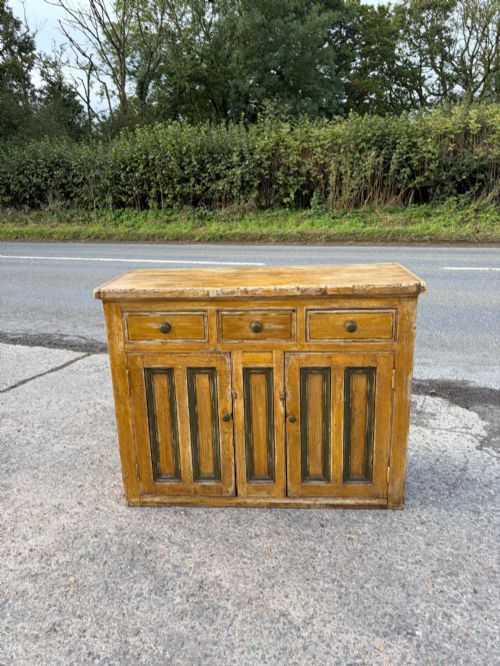
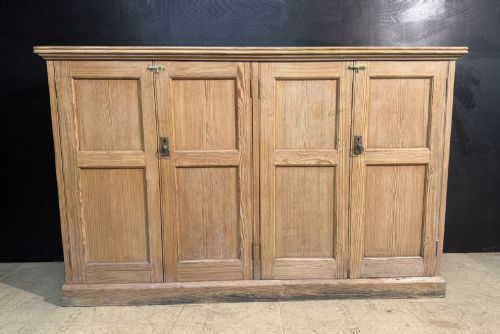

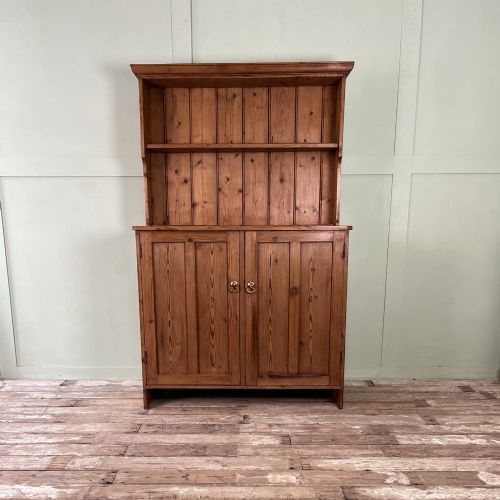

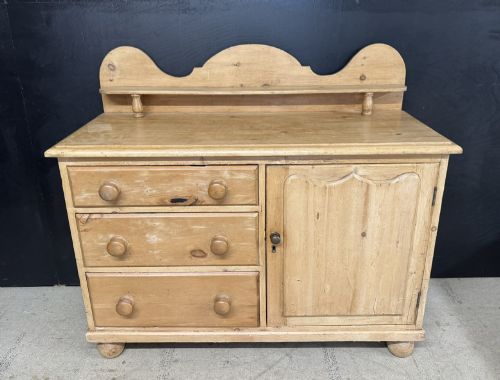


Kitchen Storage Unit
A kitchen storage unit organises domestic provisions and display, bringing traditional character and practical capacity into the heart of the home.
Kitchen Storage Unit
A kitchen storage unit encompasses substantial pieces such as dressers, larder cupboards, housekeeper cupboards and armoires designed to hold provisions and tableware. The selection centres heavily upon nineteenth century pine and oak examples, alongside eighteenth century country pieces in oak, walnut and fruitwoods.
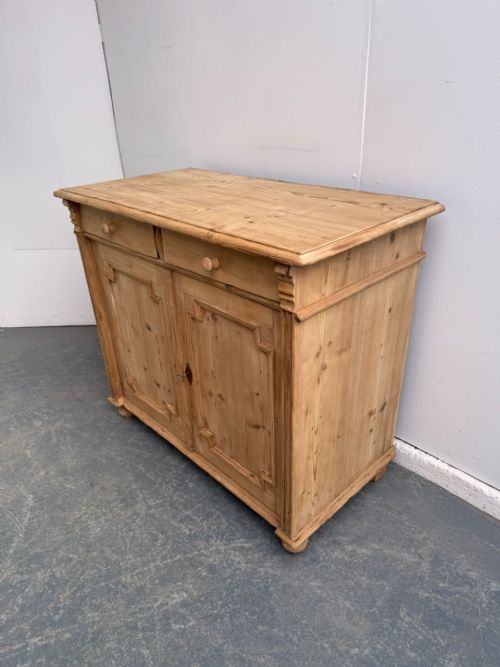
Buyers most frequently encounter Victorian pine dressers and larder cupboards, often featuring panelled doors, drawers and plate racks. These regional and domestic forms range from simple farmhouse bases to larger two part storage combinations.
Earlier pieces from the eighteenth century display robust proportions in solid oak and provincial French walnut, while later twentieth century examples introduce metal and painted finishes.
Materials and construction
Construction relies primarily on solid pine and oak, complemented by cedar, walnut and occasional metal or glass elements. Timber is joined using traditional pegged mortise and tenon joints, dovetail drawer construction and panelled door frames designed to accommodate seasonal wood movement.
Surfaces show various historical treatments including natural wax polishes, layered painted finishes, and unpainted scrubbed timbers. Hardware typically consists of brass handles, iron hinges and vented panels for air circulation in food storage compartments.
Kitchen Storage Unit Retail Price Guide 2026
Typical asking prices for kitchen storage unit among the pieces listed under this phrase on Sellingantiques today, from the lower quarter to the upper quarter. They describe what is for sale here now, not the wider market.
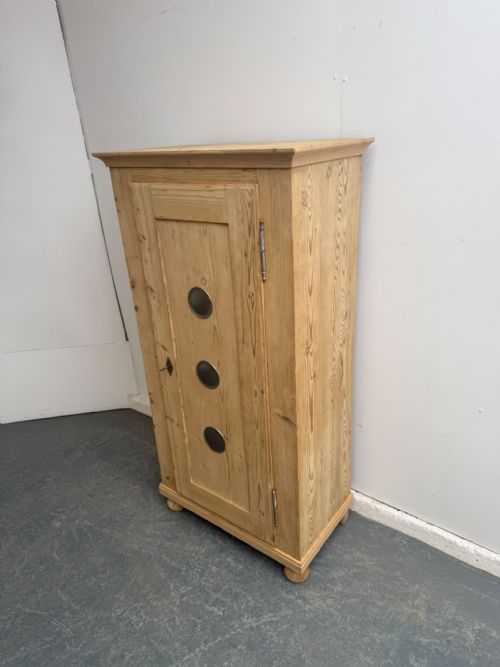
Several cupboards retain their original ventilation panels, once vital for keeping the cheese from the mice.
Proportion and originality
Quality in a kitchen storage unit rests upon the integrity of its original timber, balanced proportions and the retention of period hardware. Finer pieces demonstrate careful timber selection, such as closely grained oak or well chosen pine with pleasing patination.
Structural honesty separates superior examples from heavily altered pieces, particularly where original backboards, cornices, shelves and brass or iron fittings remain intact. The refinement of mouldings and the smoothness of drawer operation further distinguish higher workshop standards.
The Kitchen Storage Unit Glossary
- Dresser
- A piece of furniture comprising a base of drawers and cupboards, often surmounted by open plate racks for display. They form the backbone of traditional kitchen storage.
- Larder cupboard
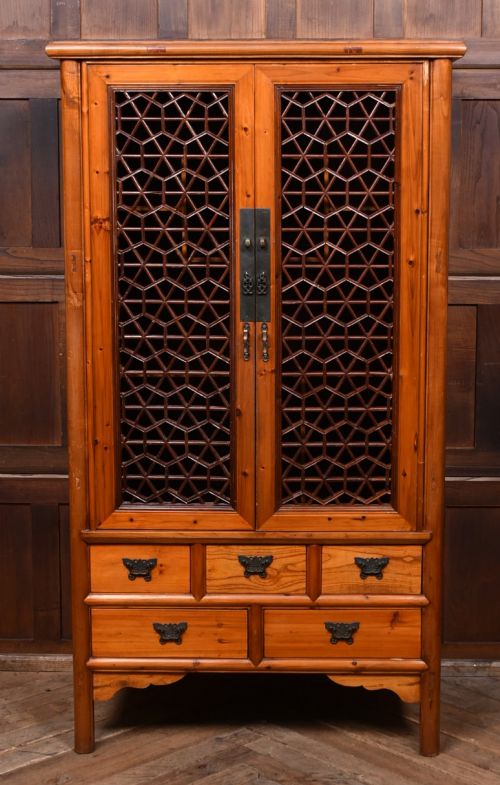
- A tall cabinet specifically ventilated for storing perishable provisions and dry goods before the advent of refrigeration. Wire mesh or pierced panels often provide necessary airflow.
- Housekeeper cupboard
- A large storage armoire or press used in substantial country houses for linens, dry stores and domestic equipment. They are usually fitted with multiple internal shelves and deep drawers.
- Buffet vaissellier
- A French regional term for a two body storage piece combining a lower buffet base with an upper plate display section. Walnut and provincial timbers are typical for this form.
- Pendant
- A hanging or drop handle fitted to drawers and doors, common on brass hardware of the Georgian period. They articulate against a decorative backplate.
Kitchen Storage Unit: Frequently Asked Questions
How do I clean an antique pine cupboard?
Clean surfaces gently using a soft, damp cloth with mild soap, avoiding harsh chemical cleaners that strip historical wax or paint.
Nourish bare timber periodically with traditional beeswax to maintain the lustre and protect the grain.
Are these pieces suitable for modern kitchens?
Their generous proportions and shelving provide practical capacity for contemporary dishware, dry goods and kitchen equipment.
Measuring access routes and ceiling heights carefully ensures these substantial items fit comfortably into your available space.
How do I tell oak from pine?
Oak is a heavy hardwood displaying prominent growth rings and distinct silver medullary rays across the grain. Pine is a softer coniferous timber with a lighter weight and tighter, simpler grain patterns.
What is a vented kitchen cupboard?
Vented cupboards feature pierced wooden panels, wire mesh or louvres designed to circulate air around stored food. This ventilation kept provisions cool and dry before mechanical refrigeration existed.