




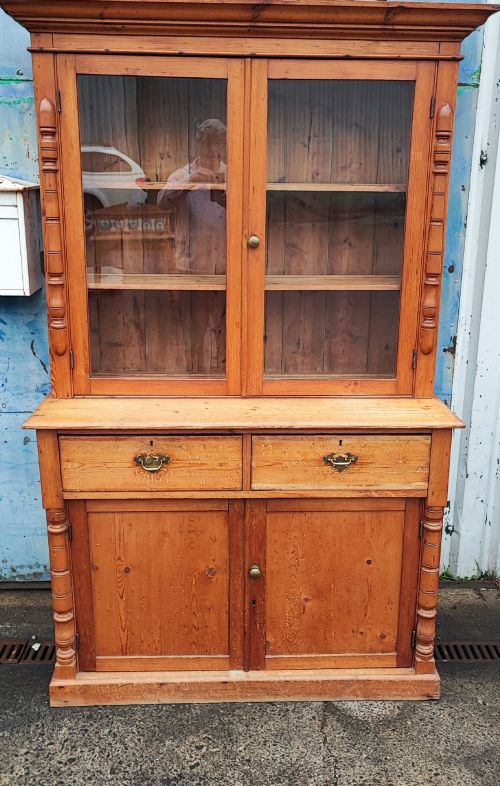
Kitchen Storage Dresser
A kitchen storage dresser brings centuries of practical utility and vernacular charm to domestic spaces, offering generous shelving and deep cupboards for everyday organisation.
Kitchen Storage Dresser
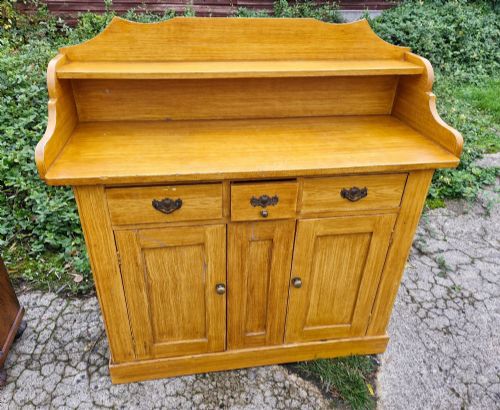
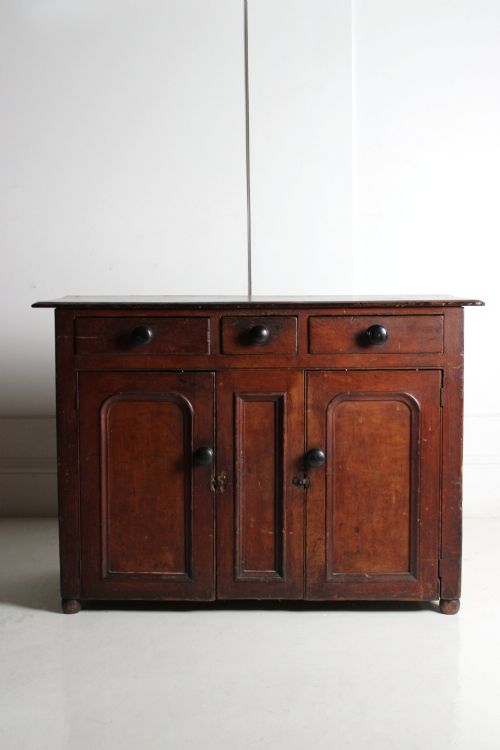
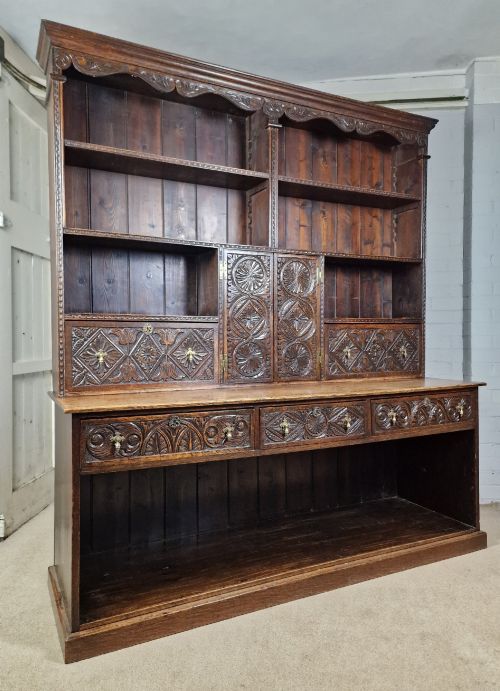
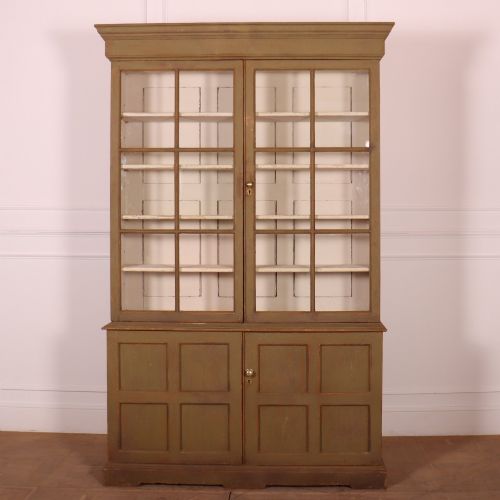
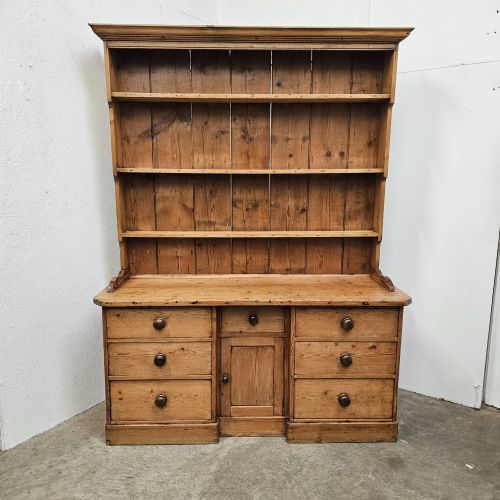
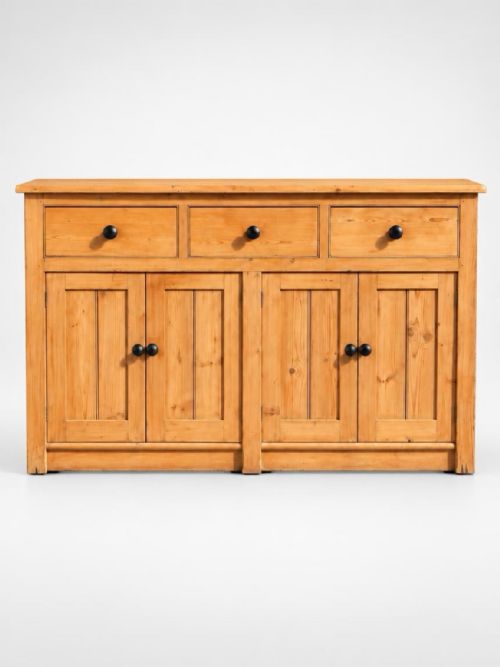
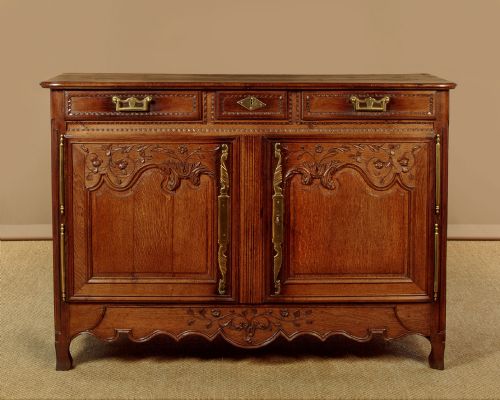
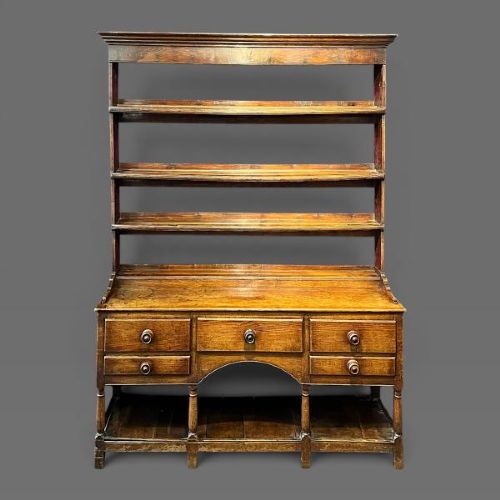
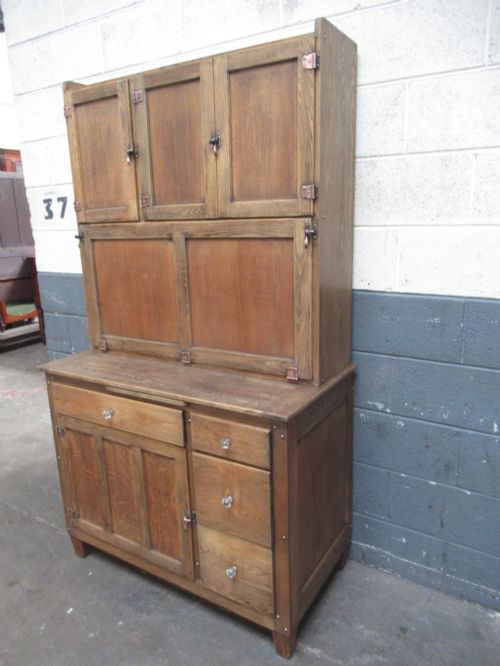
A kitchen storage dresser combines open plate racks with closed lower cupboards or drawer bases, originating as utilitarian furniture for rural and domestic larders. When searching for a kitchen storage dresser, buyers encounter various configurations, from tall housekeeper's cupboards to low oak bases.
The pieces on this page span the eighteenth, nineteenth, and early twentieth centuries, reflecting regional English, Welsh, Scottish, and French vernacular traditions alongside Arts and Crafts design.
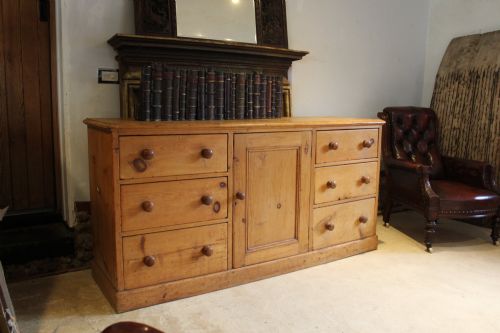
Forms range from two-part units with upper display shelves to simpler painted pine bases and expansive oak sideboards built for heavy kitchen work.
Materials and Construction
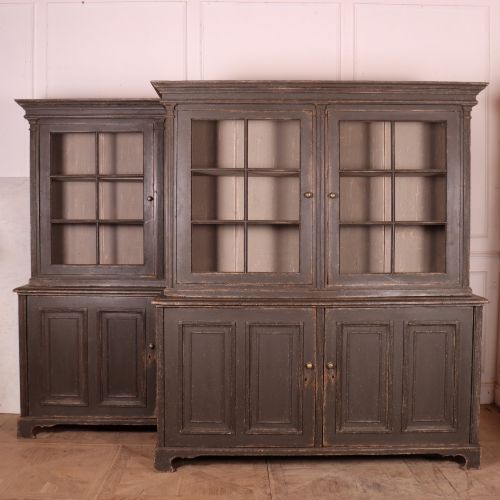
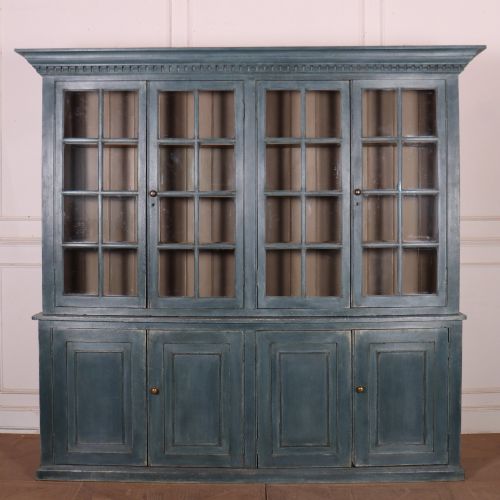
Carpenters built these kitchen storage dresser examples primarily from solid pine and native hardwoods like oak, often pairing them with brass handles, iron hinges, and glass door panels.
Surfaces were finished with traditional wax, layered historical paint schemes, or left as bare timber, depending on whether the piece served in a scullery or a formal dining space.
Construction techniques involve robust dovetail joints for drawers and pegged mortise and tenon frames designed to endure decades of constant domestic use.
Kitchen Storage Dresser Retail Price Guide 2026
Typical asking prices for kitchen storage dresser among the pieces listed under this phrase on Sellingantiques today, from the lower quarter to the upper quarter. They describe what is for sale here now, not the wider market.
Materials include brass, iron, and glass alongside painted and waxed wood finishes.
Evaluating Craft and Condition
Quality in a kitchen storage dresser lies in the integrity of the timber selection, such as finely figured oak crossbanding or dense old-growth pine, and the retention of original brass or iron hardware.
The presence of original surfaces, whether layered historic paint or deep waxed patination, separates superior examples from heavily altered or stripped pieces.
Proportion and structural balance dictate refinement, distinguishing simple utilitarian workshop output from pieces designed by prominent firms like Liberty or influenced by the Arts and Crafts movement.
Liberty
The Kitchen Storage Dresser Glossary
- Dresser Base
- The lower section of a dresser featuring drawers and cupboards without the upper plate rack. This form functioned as a standalone sideboard or food preparation table in busy country kitchens.
- Plate Rack
- The open shelving superstructure mounted above a dresser base. It was designed to display ceramic plates upright on grooved ledges.
- Housekeeper's Cupboard
- A tall, enclosed storage cabinet with multiple doors and internal shelving. These pieces were utilised in large country houses for linen and dry stores.
- Crossbanding
- A decorative technique where thin strips of veneer are laid across the grain of the primary wood. This borders drawer fronts and tabletops with a contrasting border.
- Breakfront
- A cabinet or dresser base where the central section projects forward from the flanking outer cupboards. This architectural arrangement adds depth and visual rhythm to the piece.
Kitchen Storage Dresser: Frequently Asked Questions
What is a kitchen storage dresser?
A kitchen storage dresser is a substantial dual-purpose item of furniture featuring lower cupboards or drawers for concealed storage paired with upper shelves or a display rack.
These pieces evolved to store domestic crockery, dry goods, and kitchen utensils in daily household service.
How do I date an antique dresser?
Dating relies on examining construction methods, timber species, and hardware styles. Hand-cut dovetails, pegged joints, and vernacular design traits typically point towards eighteenth or nineteenth-century origins.
Later pieces from the twentieth century often display machine-tooled elements and lighter pine or oak construction.
Where were Welsh dressers made?
Welsh dressers originated in rural Wales and the western counties of England, where local joiners built them primarily from native oak.
They were designed for domestic utility, featuring open racks tailored for displaying regional pottery.
Can I paint a wooden dresser?
Many historical examples arrived in homes with painted finishes or were coated in subsequent decades to suit changing domestic interiors.
Applying paint to unpainted pine pieces follows a long tradition of rural furniture customisation.
How do I care for waxed pine?
Waxed pine surfaces benefit from occasional applications of natural beeswax to nourish the timber and maintain a soft lustre.
Avoid placing these pieces near direct heat sources to prevent the wood from drying out or splitting.