




Kitchen Still Life Art
Kitchen still life art captures food and vessels in oil paint on canvas or wood, offering domestic warmth to rooms.
Kitchen Still Life Art
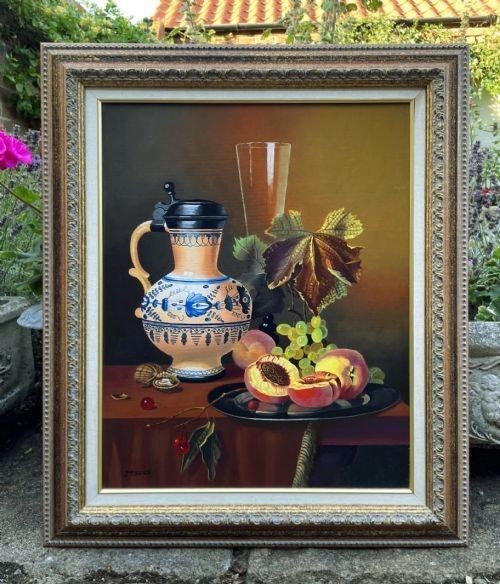
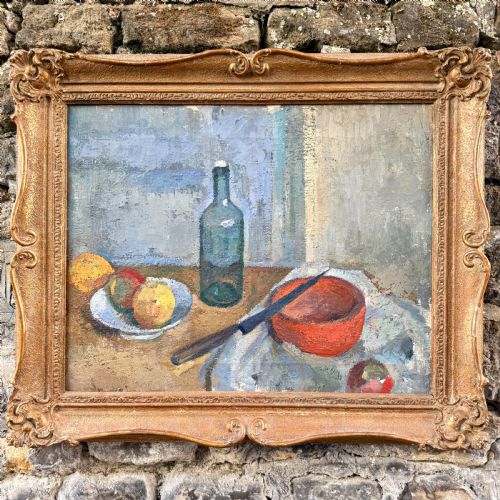
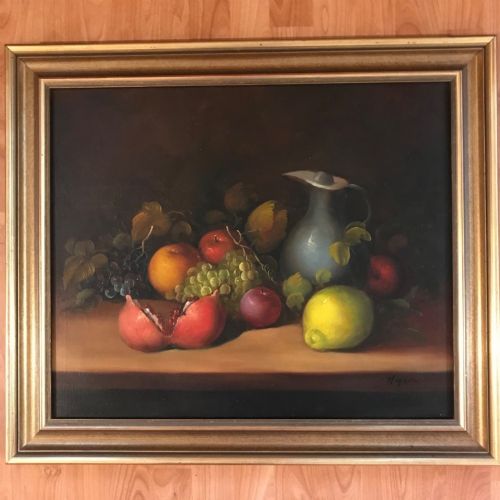
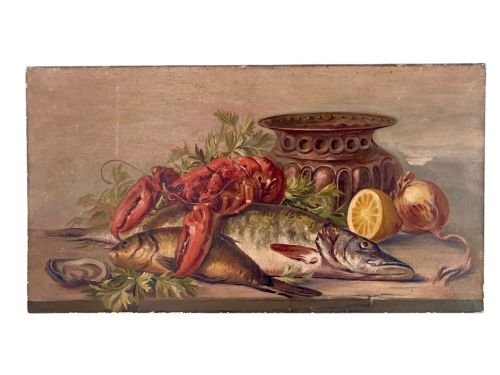
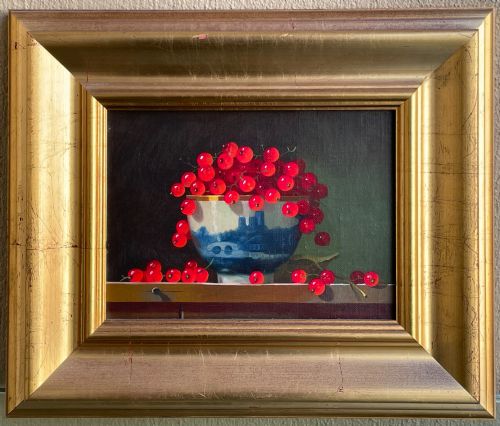
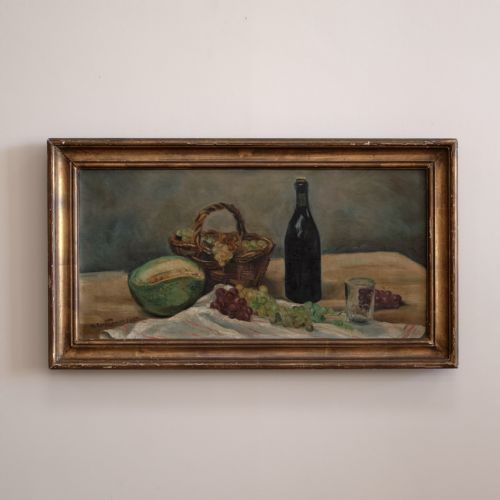
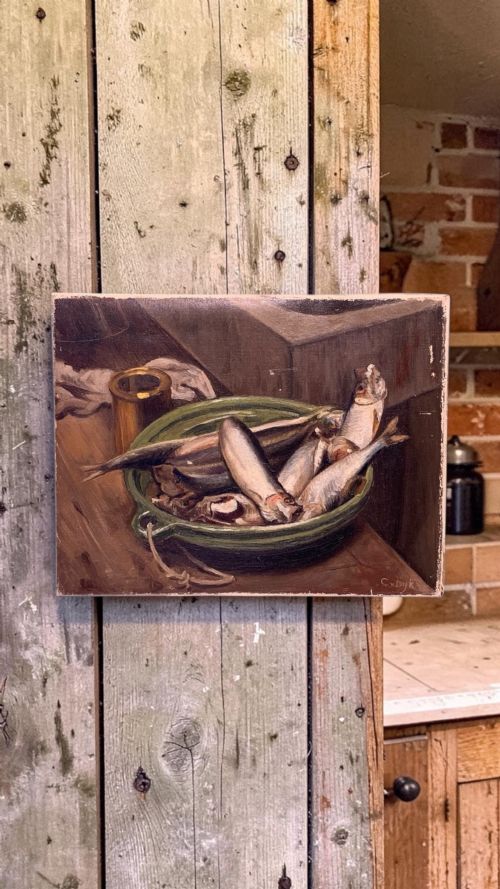
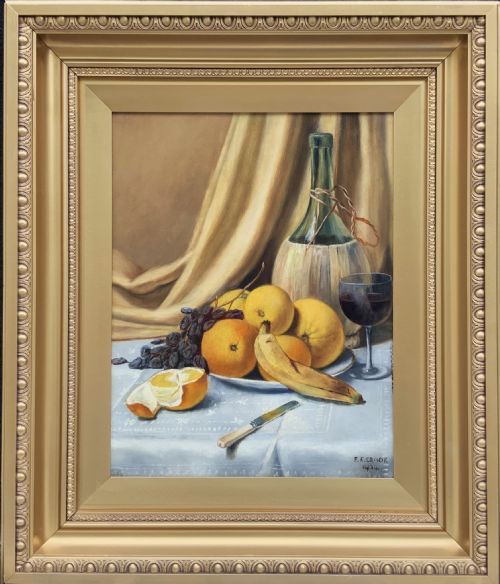
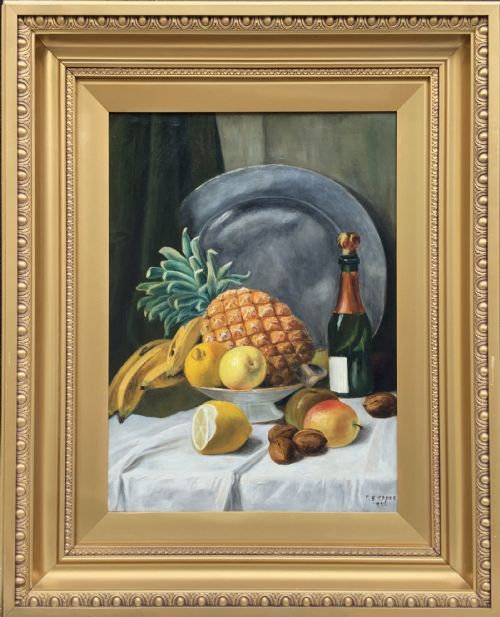
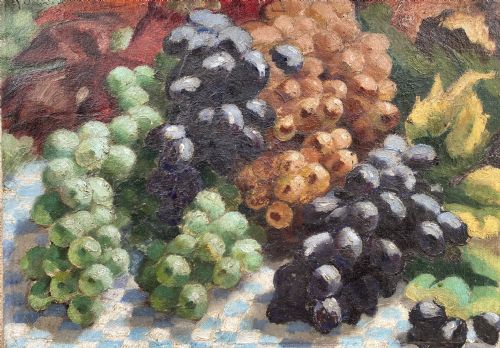
Kitchen still life art focuses on domestic scenes featuring fruit, fish, lobsters, vegetables, and tableware like jugs and tureens. These paintings range from Victorian and Edwardian works to mid-century European studies and pieces from the nineteen-sixties.
Buyers encounter oil paintings on canvas, board, and wood panel, often housed in solid wood or gilded frames. The works draw on styles spanning Dutch still life traditions, nineteenth-century realism, post-impressionism, and art deco.
Most examples originate from British, French, and wider European schools, recording simple meals, larder contents, and kitchen interiors. The selection covers centuries of domestic painting traditions.
What varies in quality
Quality rests in the handling of brushwork and the arrangement of objects, where confident composition brings vitality to fruit, jugs, and tabletop geometry. Weaker examples lean on stiff, repetitive forms without atmospheric depth.
The preservation of the oil paint surface and the originality of the matching period frame influence the standing of a piece. Retouched pigment or mismatched framing alter the visual integrity of the work.
Kitchen Still Life Art Retail Price Guide 2026
Typical asking prices for kitchen still life art among the pieces listed under this phrase on Sellingantiques today, from the lower quarter to the upper quarter. They describe what is for sale here now, not the wider market.
Playing cards and dice occasionally join the bread and onions on the larder table.
Ian Parker·Vincent Clare·Edward Carter Preston·Gustav Goemans·John Robertson Reid·Jan Steen
The Kitchen Still Life Art Glossary
- Oil on canvas
- A painting technique where oil paint is applied to a woven fabric surface stretched across a wooden support. It allows for rich blending of colours and tactile brushstrokes.
- Wood panel
- A flat wooden support used instead of canvas for painting, common in earlier works. It provides a rigid and durable foundation for detailed oil compositions.
- Gilt frame
- A decorative wooden frame coated with gold leaf or metallic paint to highlight the artwork within. These frames often reflect the period style of the painting.
- Still life
- An artwork depicting inanimate subject matter, typically everyday objects such as food, vessels, and kitchen items. It emphasises arrangement, light, and texture over narrative action.
Kitchen Still Life Art: Frequently Asked Questions
What subjects appear in these paintings?
The works depict domestic scenes including fruit, vegetables, fish, lobsters, jugs, and larder contents. Artists arranged these everyday kitchen elements to study light, colour, and form.
Table settings with tablecloths and wine also feature alongside interior kitchen scenes and geometric compositions.
How do I date a kitchen painting?
Dating relies on stylistic clues, framing methods, and the support material, such as nineteenth-century wood panels versus mid-century boards. Victorian and Edwardian pieces often show traditional realism, while nineteen-thirties and sixties works display art deco or modernist tendencies.
Signatures, artist records, and canvas stamps help confirm the period of production.
Where should I hang these artworks?
These pieces suit dining rooms, kitchens, and breakfast areas, where their culinary subjects complement the surrounding space. They bring warmth and traditional character to domestic interiors.
Protecting the oil surface from direct sunlight and excessive moisture preserves the paint and frame over time.
Are these paintings signed by artists?
Some examples carry artist signatures or attributions to specific European schools and painters. Signed original works offer a direct link to the creator's hand.
Unsigned studies remain common, attributed instead by style, period characteristics, and framing.