



Kitchen Pantry Unit
A kitchen pantry unit offers serious utilitarian storage, combining deep shelving and robust timber build to anchor a practical cooking space.
Kitchen Pantry Unit
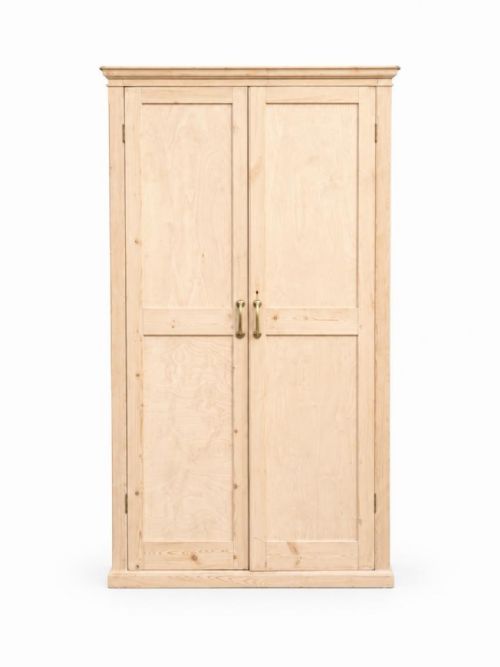
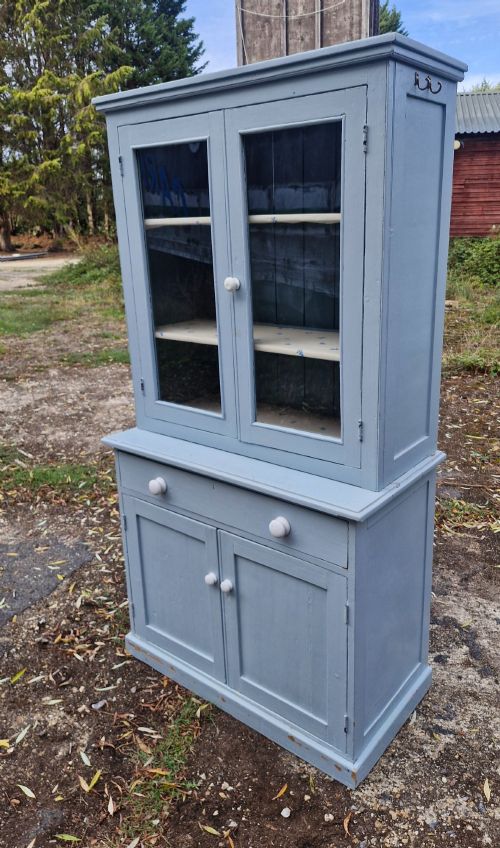
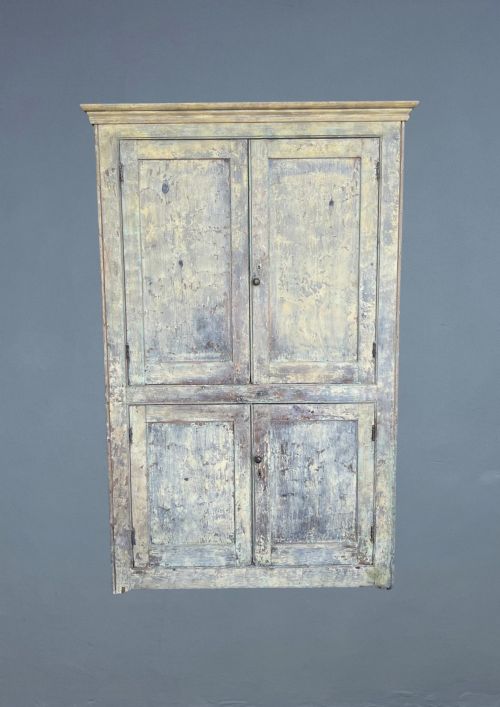
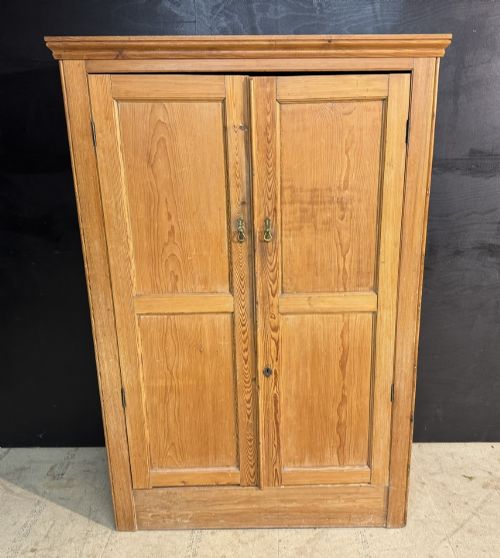
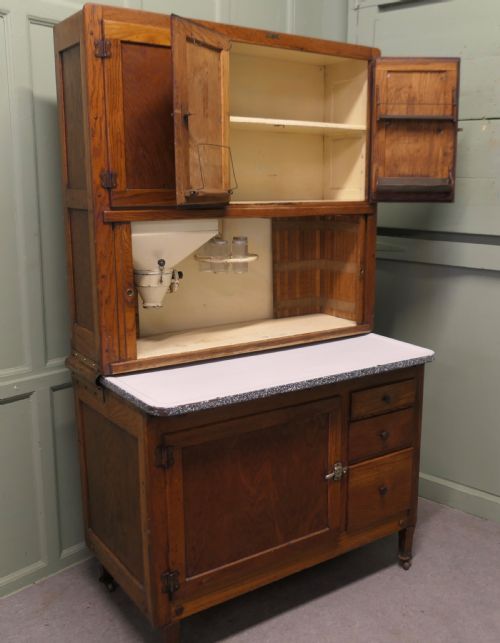
A kitchen pantry unit encompasses a range of utilitarian storage furniture designed for food and kitchenware, spanning traditional larder cupboards and housekeeper's cabinets. The examples recorded here include multi-wood Gothic style bookcases, American Edwardian cabinets, and rustic farmhouse cupboards.
Buyers most frequently encounter pine and oak forms originating from the nineteenth century, often featuring painted finishes or waxed surfaces. These pieces range from single-door vented cupboards to larger two-part kitchen cabinets and extensive dressers.
Origins stretch from English and American country workshops to Japanese Meiji pieces, showing diverse vernacular traditions applied to food storage. The shared purpose remains straightforward storage, executed through tall cabinetry with internal shelving.
How they were made
Construction relies primarily on solid timber frames in pine and oak, complemented by multi-wood construction in specific regional styles. Joinery serves structural endurance, housing multiple internal shelves and drawers for heavy provisions.
Kitchen Pantry Unit Retail Price Guide 2026
Typical asking prices for kitchen pantry unit among the pieces listed under this phrase on Sellingantiques today, from the lower quarter to the upper quarter. They describe what is for sale here now, not the wider market.
Some nineteenth-century cupboards carry traces of old pantry paint schemes, preserving layers of historic colour beneath later wax finishes.
What varies in quality
The standard of timber selection and joinery detail distinguishes vernacular utilitarian pieces from finer cabinet work. Substantial thickness in pine boards and well-fitted multi-part carcasses indicate superior workshop execution.
Hudson Bros
The Kitchen Pantry Unit Glossary
- Larder cupboard
- A tall storage piece traditionally used for perishable food items, often featuring ventilated panels to maintain air circulation. These units rely on deep internal shelving.
- Housekeeper's cupboard
- A large storage cabinet historically managed by a household housekeeper for linens, dry goods, and provisions. They typically incorporate substantial cupboard doors and lower drawer banks.
- Hoosier cabinet
- A specific American freestanding kitchen cabinet design combining work surfaces, flour bins, and spice jars into one unit. They streamline kitchen organisation.
- Vented cupboard
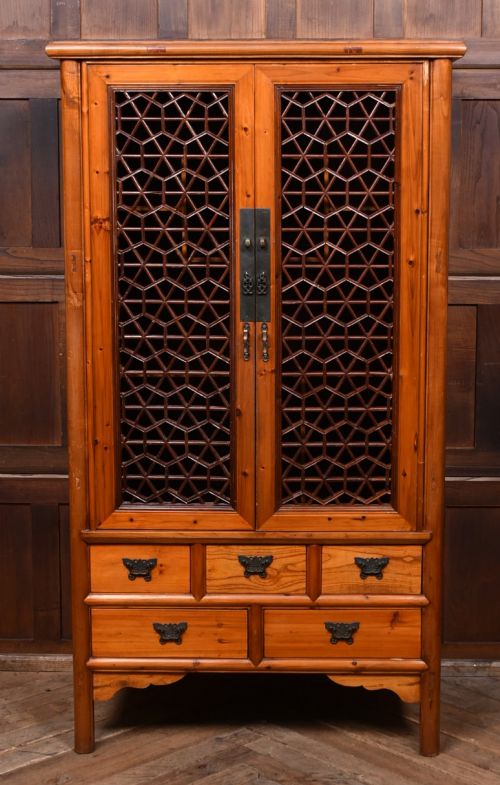
- A cabinet featuring pierced or wire-mesh panels designed to keep stored food aerated. This prevents moisture buildup inside the dark interior.
- Multi-wood
- Furniture constructed using several distinct timber species within a single piece, often for decorative contrast or structural necessity. This approach highlights regional vernacular resourcefulness.
Kitchen Pantry Unit: Frequently Asked Questions
What is a kitchen pantry unit?
A kitchen pantry unit is a tall storage cabinet designed to hold food, dry goods, and kitchen equipment. Examples range from nineteenth-century pine larder cupboards to mid-century oak kitchen cabinets.
These pieces use internal shelves and deep compartments to organise provisions. They function as both practical storage and focal furniture in a traditional kitchen.
How were larder cupboards ventilated?
Historic larder cupboards often incorporated pierced timber panels, perforated metal sheets, or wire mesh into their doors. This allowed cool air to circulate around perishable foods before mechanical refrigeration existed.
Buyers often find these original vented sections intact on nineteenth-century pieces. They provide insight into how households stored food daily.
What woods are used most often?
Pine and oak dominate the selection of vintage and antique kitchen storage furniture. Pine appears frequently in British country pieces, often finished with paint or wax.
Oak provides a harderwearing surface used in American cabinets and heavier farmhouse furniture. Multi-wood combinations also appear in specific decorative regional pieces.
How do I date a kitchen cupboard?
Dating relies on construction methods, timber preparation, and stylistic clues from specific periods. Nineteenth-century pieces typically show hand-planed surfaces and simpler iron or brass hardware.
Later pieces from the early twentieth century introduce standardised fittings and different manufacturing labels. Comparing the hardware and timber thickness helps place an item within the Victorian or Edwardian eras.
Can these units fit modern kitchens?
Freestanding pantry units add flexible storage and traditional character to contemporary kitchen layouts. Their tall profile maximises vertical space without requiring permanent fitted installation.
Owners often utilise them for dishware, dry goods, or general kitchen organisation. Measuring ceiling height and internal clearance ensures a comfortable fit.