



Kitchen Hutch Cupboard
A kitchen hutch cupboard brings honest storage and display to a room, offering practical shelving above deep drawers and closed lower compartments.
Kitchen Hutch Cupboard
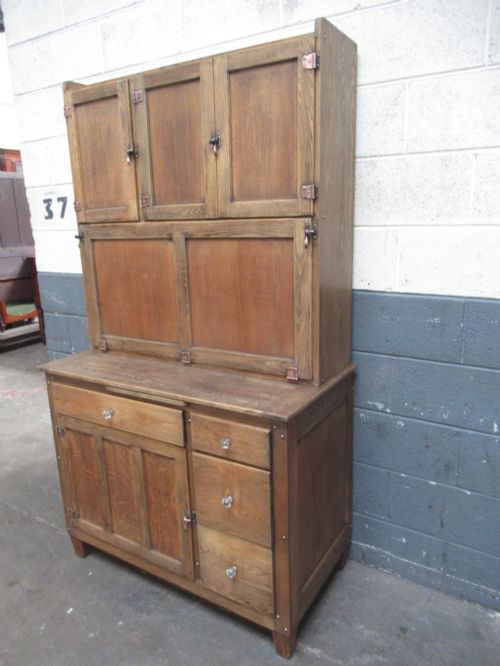
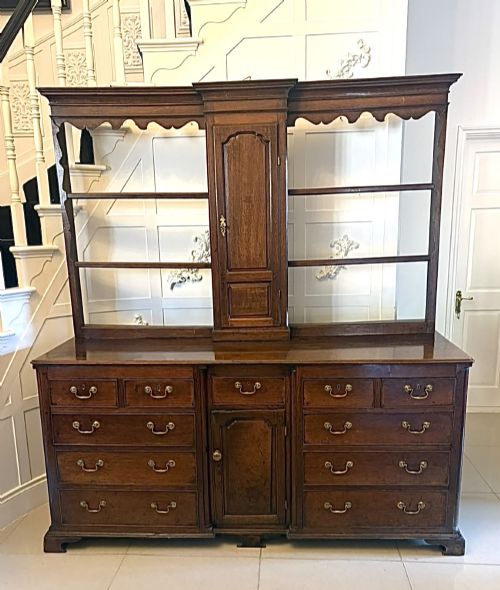
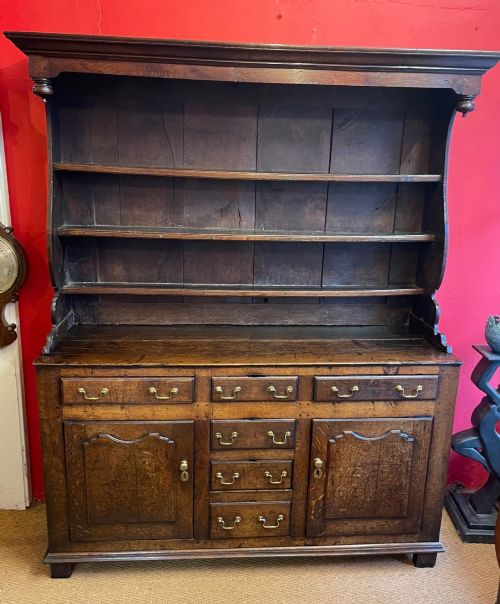
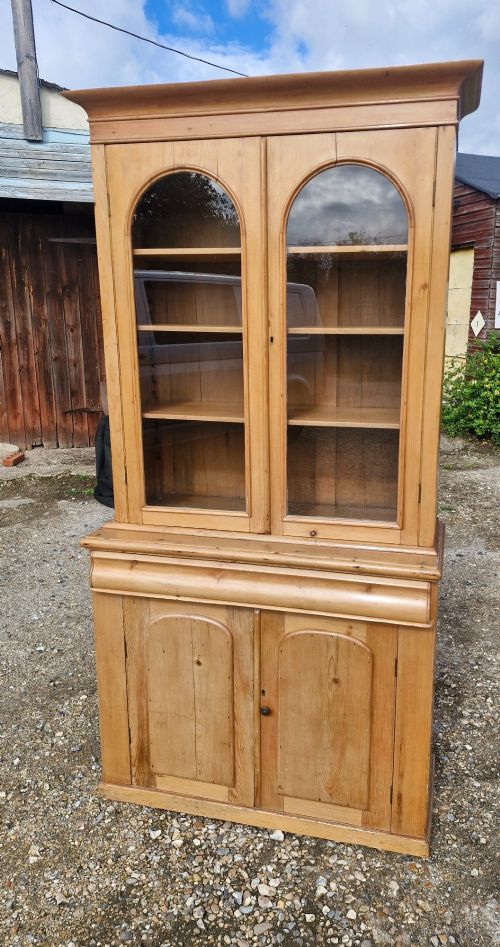
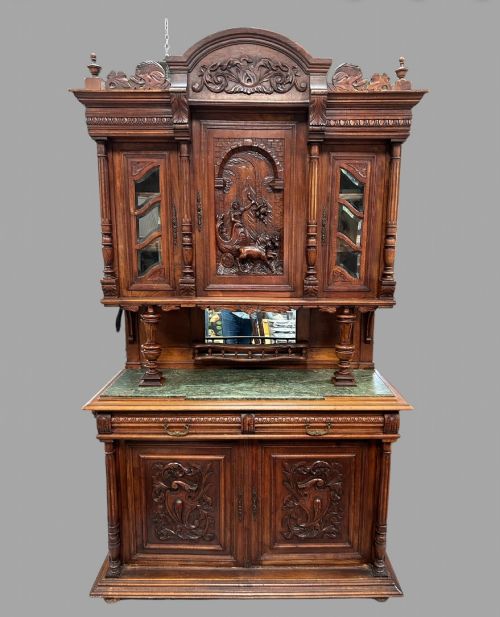
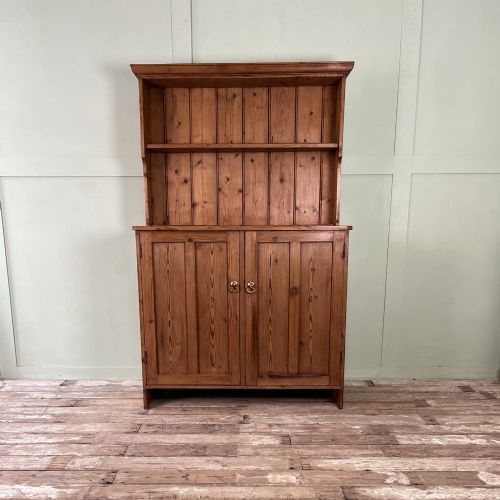
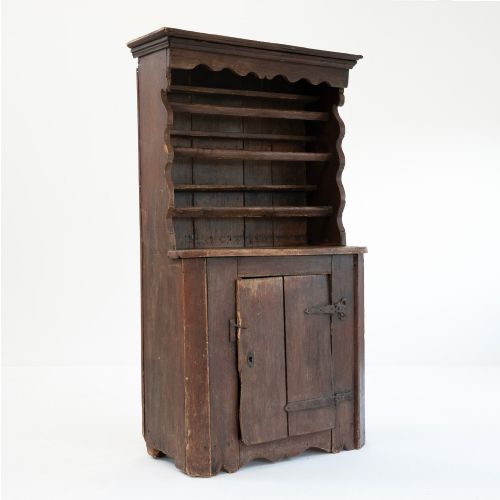
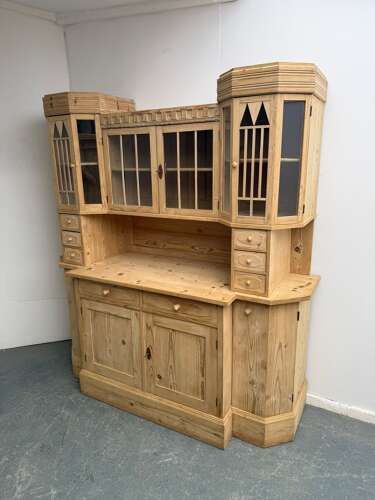
When you search for a kitchen hutch cupboard, you encounter substantial utilitarian furniture designed for storing tableware, dry goods, and culinary utensils. The pieces appearing here span centuries of domestic life, taking the form of traditional dressers, plate racks, and fitted cabinets.
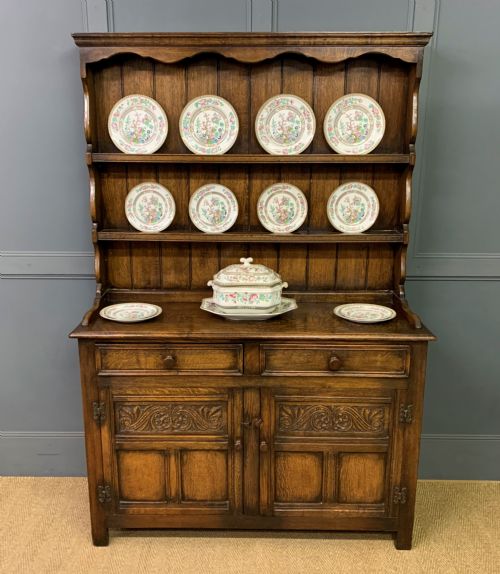
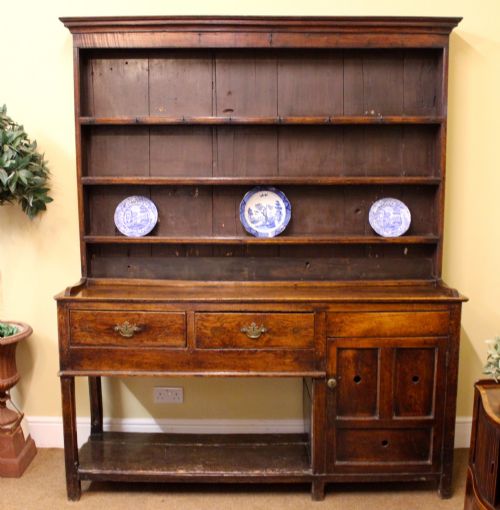
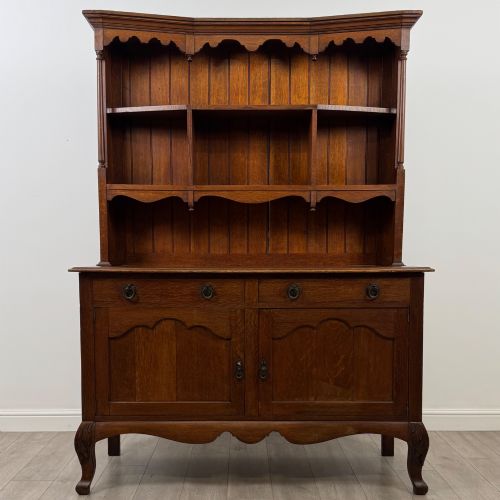
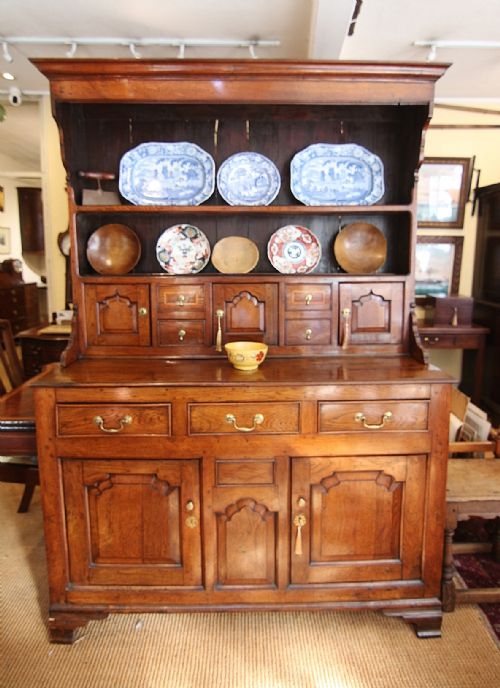
The most common examples on this page are oak and pine dressers dating from the eighteenth and nineteenth centuries. These items typically combine an open upper plate rack with a sturdy lower base fitted with drawers and cupboards.
Origins vary widely across regional English styles, Welsh workshops, and continental European traditions such as French Provincial and Hungarian farmhouse pieces. Each region imparted distinct proportions and moulding details to the basic storage carcass.
How they were made
Timbers were selected for local availability and structural strength, relying heavily on native oak and pine for the main framework. Carpenters joined these heavy boards using traditional pegging and dovetailing methods to withstand daily household use.
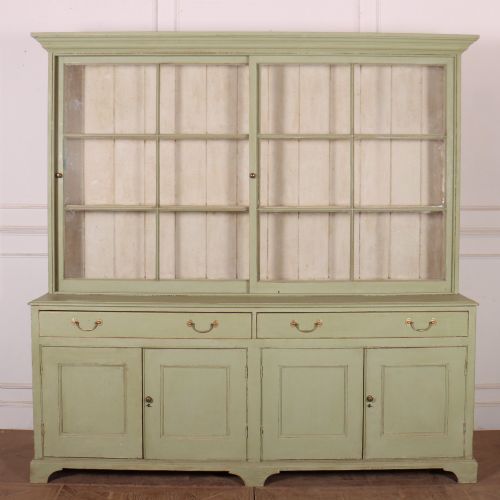
Surfaces received various finishes according to period fashion and regional practice, ranging from clear wax and natural grain exposure to layered historical paint. Iron, brass, and metal hardware such as hinges and drawer pulls completed the construction.
Kitchen Hutch Cupboard Retail Price Guide 2026
Typical asking prices for kitchen hutch cupboard among the pieces listed under this phrase on Sellingantiques today, from the lower quarter to the upper quarter. They describe what is for sale here now, not the wider market.
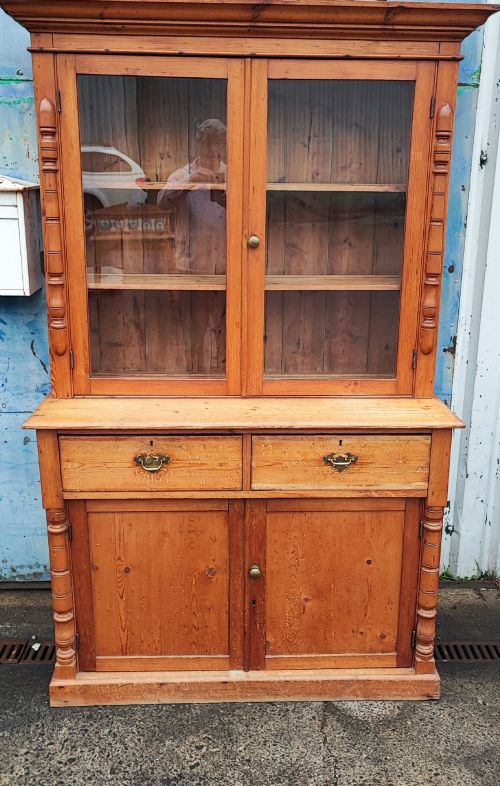
Current listings feature oak and pine kitchen dressers spanning the eighteenth century through the Edwardian period.
What varies in quality
The sophistication of the joinery and the selection of timber dictate the standing of an individual piece. Finer examples display carefully chosen grain patterns in the oak and balanced proportions across the base and plate rack.
Originality of surface finish and hardware also separates standard utility items from more prized examples. Pieces retaining their early paint layers or period brass fittings hold greater integrity than those altered or stripped down over time.
Heals of London
The Kitchen Hutch Cupboard Glossary
- Plate rack
- An open shelving structure mounted on top of the base unit, designed to hold plates vertically for drying and display.
- Breakfront
- A cabinet design where the central section projects forward from the flanking cupboards or drawers.
- Belly rack
- A specialised lower section of a Welsh dresser featuring a pronounced bombé or swell to the drawer configuration.
- Cottage dresser
- A smaller, simpler regional form of kitchen storage built for domestic spaces with lower ceilings and tighter floor plans.
- Folk art
- Decorative embellishments and hand-painted surfaces applied by local makers rather than professional workshops.
Kitchen Hutch Cupboard: Frequently Asked Questions
What is a kitchen hutch cupboard?
A kitchen hutch cupboard is a dual-purpose storage unit featuring lower enclosed cabinets or drawers paired with upper open shelves or glazed doors. These pieces served as the central storage hub in historic kitchens for crockery and foodstuffs.
Today, they function as versatile display and storage furniture in modern dining rooms and kitchens, holding everything from tableware to books.
Where were these cupboards originally made?
These items originated across rural workshops throughout the British Isles, with distinct regional traditions emerging from Wales, Lancashire, and the West Country. Continental pieces from France, Hungary, and Scandinavia also appear.
Local timber availability and domestic customs heavily influenced the design and construction methods used in each specific area.
How do I care for an antique pine or oak dresser?
Maintain the wood by applying natural beeswax periodically to nourish the dry timber and preserve the historic surface finish. Avoid placing these heavy wooden pieces near direct heat sources or in damp environments.
Clean surfaces gently with a dry or barely damp cloth, steering clear of modern chemical polishes that can degrade the aged wax or paint.