

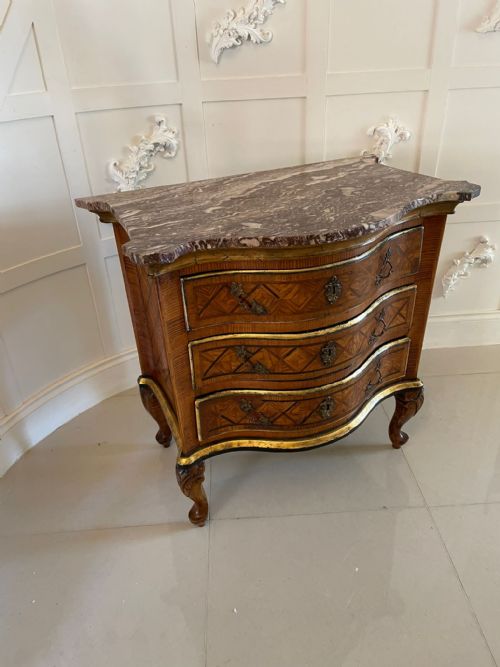


Kingwood Inlaid Commode
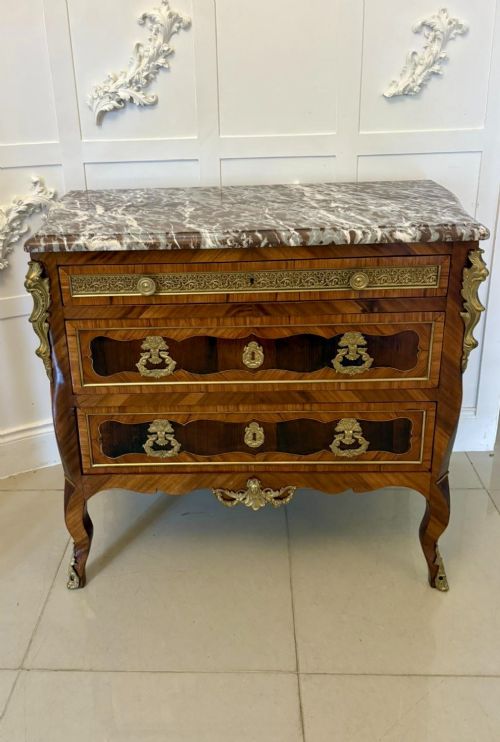
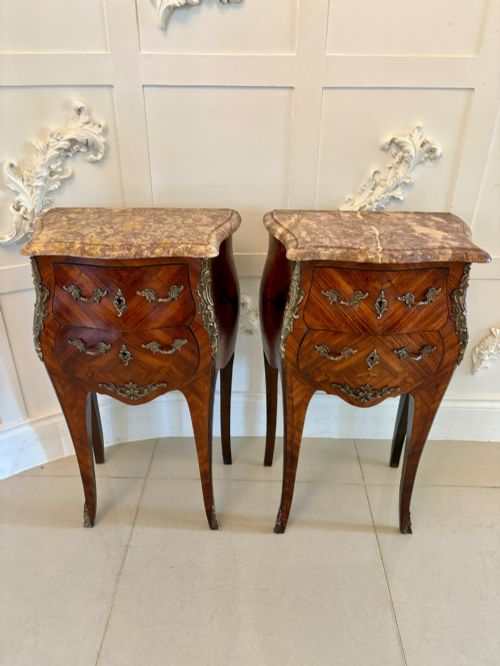
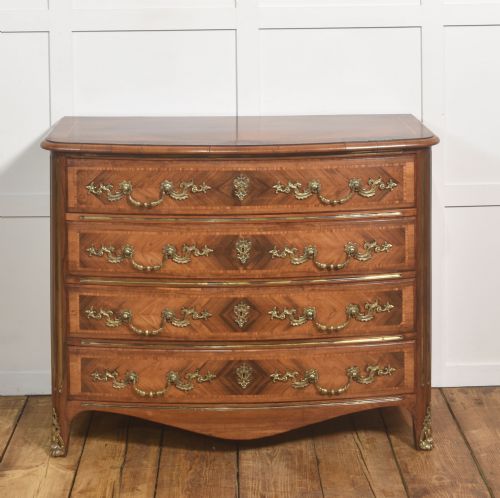
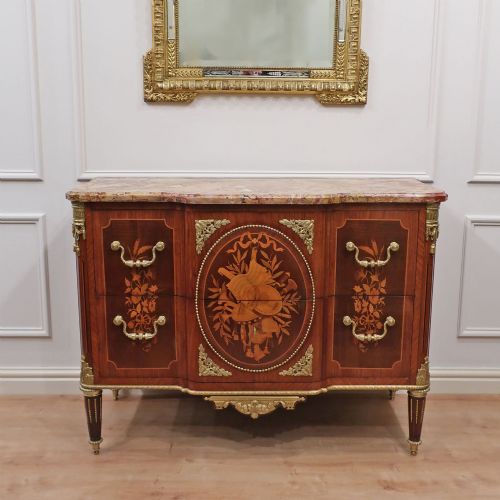
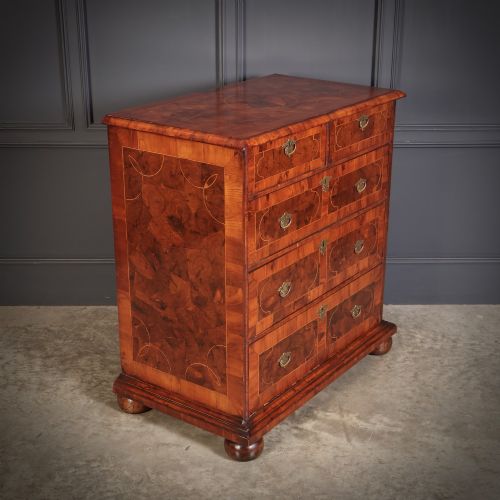
When you search for a kingwood inlaid commode, you are looking at substantial French and continental storage pieces dressed in rich timber.
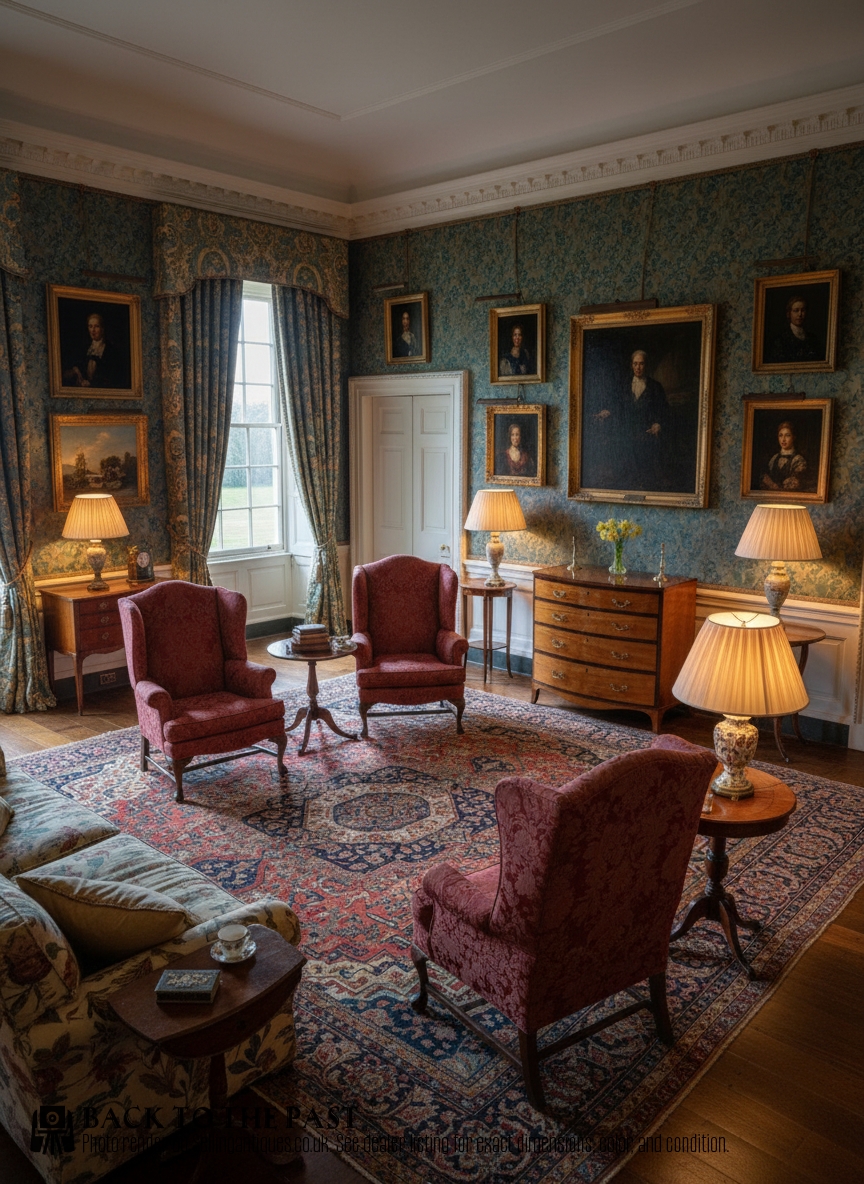
Kingwood Inlaid Commode
A kingwood inlaid commode is a low storage chest or cabinet designed primarily for the formal reception rooms and chambers of grand houses. The form appears predominantly in nineteenth-century French revival pieces, alongside eighteenth-century originals and early twentieth-century interpretations.
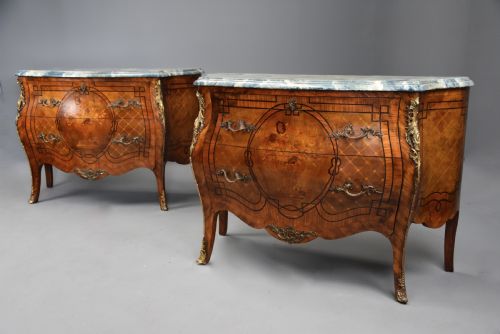
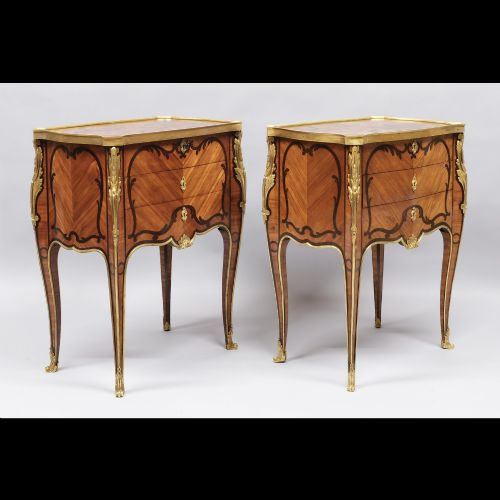
Buyers encounter variations ranging from serpentine chests of drawers and bombe commodes to bedside cabinets and side tables. Many examples incorporate shaped marble tops and cabinet doors alongside traditional drawer configurations.
Materials and construction
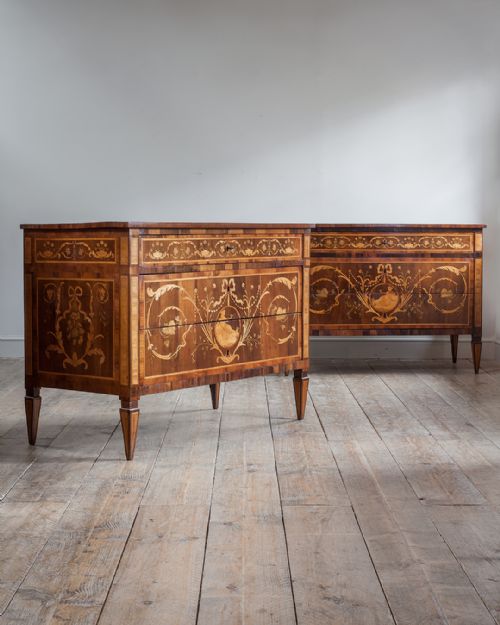
Cabinet makers utilised kingwood veneers alongside walnut, rosewood, tulipwood and satinwood to create elaborate marquetry and parquetry patterns across curved and flat surfaces. These timber arrangements rely on precise cutting and fitting by hand.
Ormolu mounts, gilt bronze details, and cast brass fixtures accent the structural lines of the carcase, while heavy slab marble tops complete the assembly.
Kingwood Inlaid Commode Retail Price Guide 2026
Typical asking prices for kingwood inlaid commode among the pieces listed under this phrase on Sellingantiques today, from the lower quarter to the upper quarter. They describe what is for sale here now, not the wider market.
The listings on this page span the seventeenth, eighteenth, nineteenth and early twentieth centuries, with French Louis XV and XVI revival styles dominating.
Judging the execution
Quality rests in the fluency of the marquetry design and how cleanly the timber veneers meet across complex serpentine and bombe curves. Lesser pieces show mechanical regularity or simpler veneering, whereas superior items display intricate floral or geometric patterning that flows naturally over the carcase.
The weight and crispness of the ormolu mounts separate standard production from finer workshop output, as do the thickness and polish of the fitted marble slab on top.
Sormani·Gillows
The Kingwood Inlaid Commode Glossary
- Kingwood
- A dense, heavily figured Brazilian timber with violet-brown tones utilised extensively in fine cabinet making. It creates striking contrast when laid in geometric parquetry.
- Marquetry
- The art of forming decorative patterns on a wooden carcase using thin slices of various coloured woods. Craftsmen assemble these pictorial or floral designs before gluing them to the surface.
- Ormolu
- Gilt bronze ornamentation applied to the corners, feet and aprons of formal furniture. This decorative metalwork provides structural protection and visual emphasis.
- Bombe
- A swollen or bulging contour in the sides and front of a cabinet. This curved profile demands advanced woodworking skill to veneer successfully.
- Parquetry
- Geometric wood inlay arranged in repetitive patterns such as cubes or chequers. It differs from pictorial marquetry by relying on abstract angles and lines.
Kingwood Inlaid Commode: Frequently Asked Questions
Where should I place a commode?
These pieces suit living rooms, large hallways, or bedrooms where their decorative surfaces and marble tops remain visible. They function effectively as lamp tables or low storage units.
Ensure the room humidity stays stable to protect the delicate wood veneers and polished marble from thermal shock.
How do I clean the marble top?
Use a soft cloth dampened with warm water and mild, neutral soap to wipe down the stone surface gently. Avoid acidic cleaners or household detergents that can etch the polish.
Dry the marble thoroughly with a clean microfibre cloth to prevent water spots from forming on the vintage stone.
Are these pieces French or English?
The majority of pieces following this style originate from France, particularly reflecting Louis XV and Louis XVI revival designs of the nineteenth century. Continental workshops across Italy also produced notable examples.
English makers occasionally adopted these continental techniques, though French cabinet-making traditions dominate this specific category of furniture.
How do I care for the wood veneer?
Dust the marquetry regularly with a dry, soft lint-free cloth and apply appropriate furniture wax sparingly when the timber appears dry. Keep the cabinet away from direct sunlight and heat sources to prevent the veneer from lifting.
Avoid commercial silicone sprays, which build up over time and damage antique French polish.