

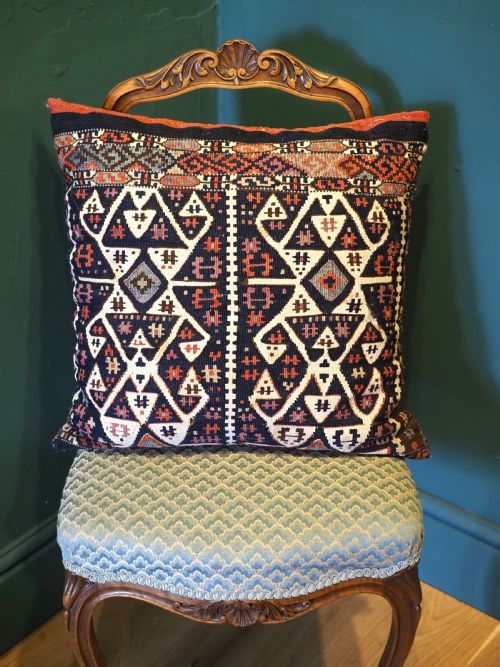


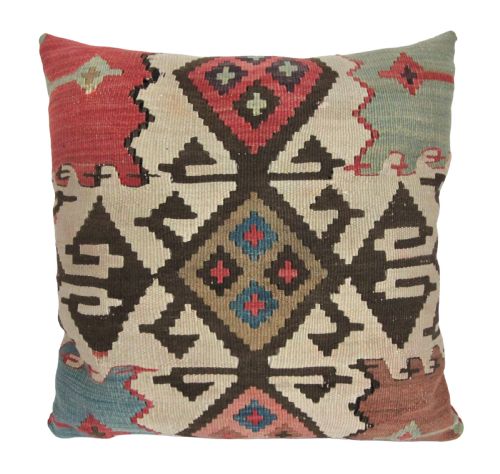


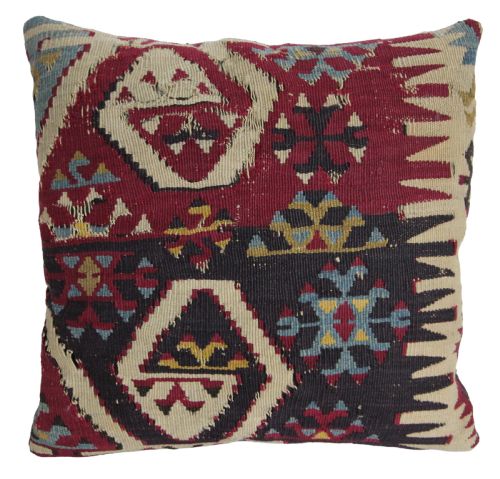
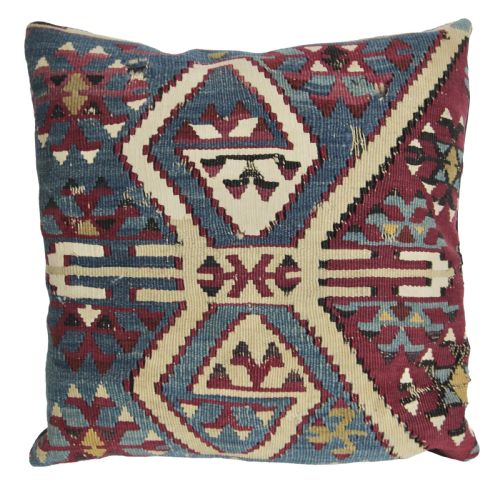
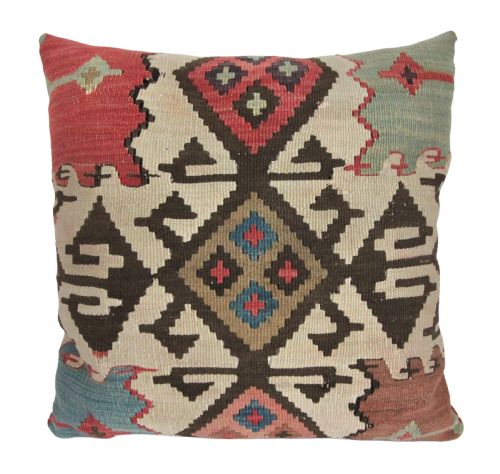
Kilim Throw Pillow
These kilim throw pillow examples bring flat-woven textile history directly into a room, offering durability and distinct tribal character.
Kilim Throw Pillow
When you search for a kilim throw pillow, you are looking at functional cushions fashioned from flat-woven carpets, saddle bags, and bag faces originating from nomadic and tribal traditions. The pieces on this page span the mid-nineteenth century up to the early twentieth century, showing periods such as 1850, 1870, 1900, 1920, and the broader nineteenth century.
The primary forms you will encounter here are described simply as cushions, throw cushions, and paired carpet cushions. These items repurpose historic Anatolian tribal and nomadic weaving into domestic furnishings that retain their original textile integrity.
Originating largely from Anatolian tribal and traditional workshops, these items reflect specific regional weaving practices. A buyer will most frequently meet pieces derived from older saddle bags and bag faces, retaining the robust construction required for nomadic daily life.
How they were made
The materials recorded in these listings consist exclusively of wool and cotton, utilised to create flat-woven surfaces without a pile. Weavers constructed these textiles by tightly interweaving warp and weft threads on traditional upright or horizontal looms.
Hand-woven techniques form the basis of every item listed, utilising traditional Anatolian tribal methods passed down through generations. The incorporation of durable wool ensures the surface withstands daily handling while maintaining the integrity of the original bag faces and carpets.
Kilim Throw Pillow Retail Price Guide 2026
Typical asking prices for kilim throw pillow among the pieces listed under this phrase on Sellingantiques today, from the lower quarter to the upper quarter. They describe what is for sale here now, not the wider market.
Current listings feature items exclusively made from wool and cotton, spanning the 1850s to the 1920s in Anatolian tribal styles.
What varies in quality
Quality in a kilim throw pillow rests on the tightness of the weave and the fidelity of the original tribal or nomadic design. Pieces fashioned from complete bag faces often display a higher degree of compositional completeness than those cut from larger carpet fragments.
The choice of natural materials and the precision of the hand-woven construction differentiate the upper tier of items. The historical provenance, stretching from the mid-nineteenth century into the 1920s, also influences the character and density of the textile.
The Kilim Throw Pillow Glossary
- Kilim
- A flat-woven carpet or rug made without a pile, forming the primary textile used for these cushions.
- Bag Face
- The decorative front panel of a nomadic storage sack, frequently repurposed into a cushion.
- Anatolian
- Pertaining to the historic region of Anatolia, a primary source for the tribal and traditional weavings seen here.
- Warp
- The vertical threads held in tension on a loom before the weaving process begins.
- Weft
- The horizontal threads passed through the warp threads to create the pattern and structure of the flat weave.
Kilim Throw Pillow: Frequently Asked Questions
What is a kilim throw pillow made from?
These items are constructed using traditional wool and cotton textiles derived from historic flat-woven carpets and storage bags.
The materials reflect the nomadic requirement for durable, tightly woven fabrics that could endure daily use in transit and settlement.
How old are these cushions?
The listings span from the mid-nineteenth century through to the early twentieth century, encompassing specific dates like 1850, 1870, 1900, and 1920.
This chronology places the source textiles firmly within traditional and tribal periods of Anatolian weaving.
Where do the original textiles come from?
The pieces originate from Anatolian tribal, nomadic, and traditional workshops where flat-weaving traditions flourished.
Many items utilise remnants from functional objects such as saddle bags and bag faces created by these groups.
How do I live with antique cushions?
Placing these textiles on chairs or sofas introduces historic flat-woven patterns and tactile wool textures into a living space.
They function as robust decorative accents that connect modern interiors with nineteenth-century nomadic craftsmanship.