



Kerman Tribal Carpet
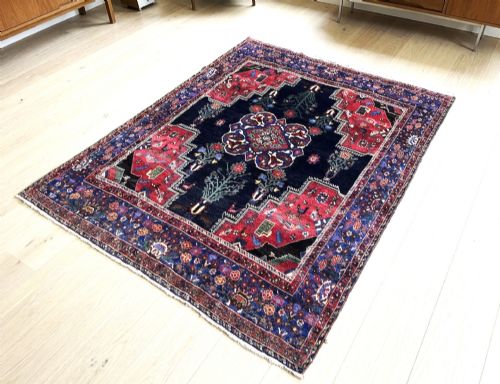
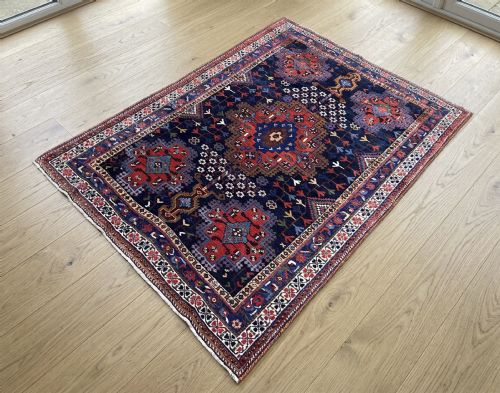
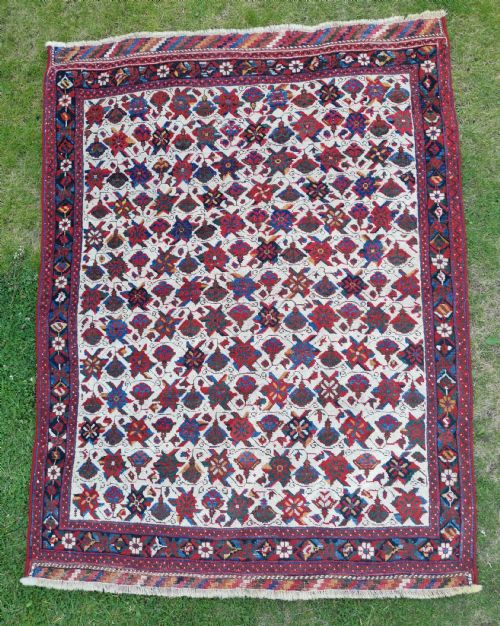
These kerman tribal carpet examples bring South Persian character into a room through hand-knotted wool and natural dyes.
Kerman Tribal Carpet
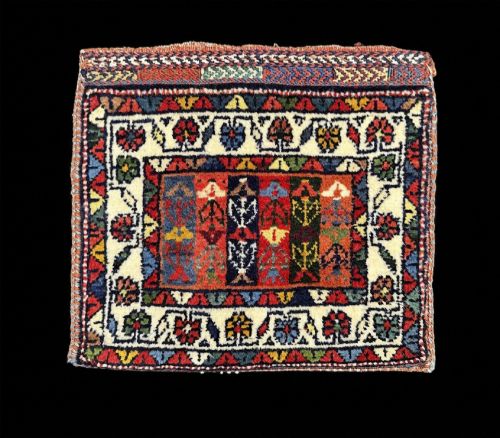
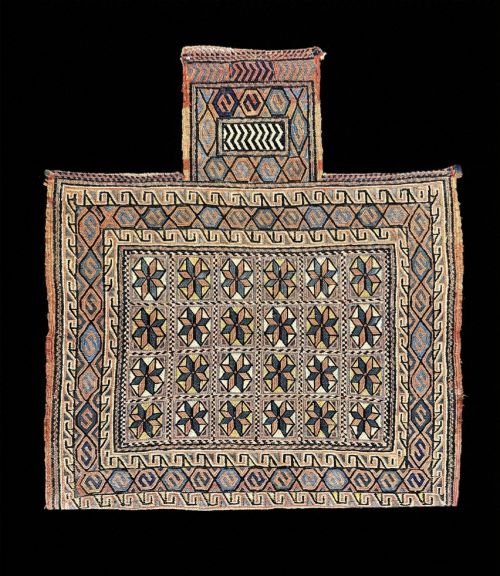
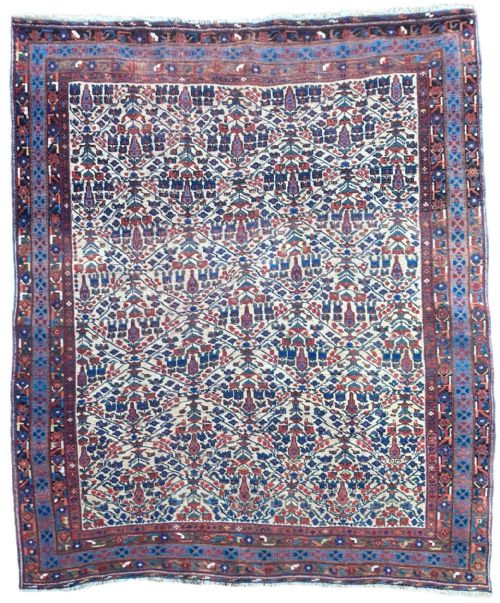
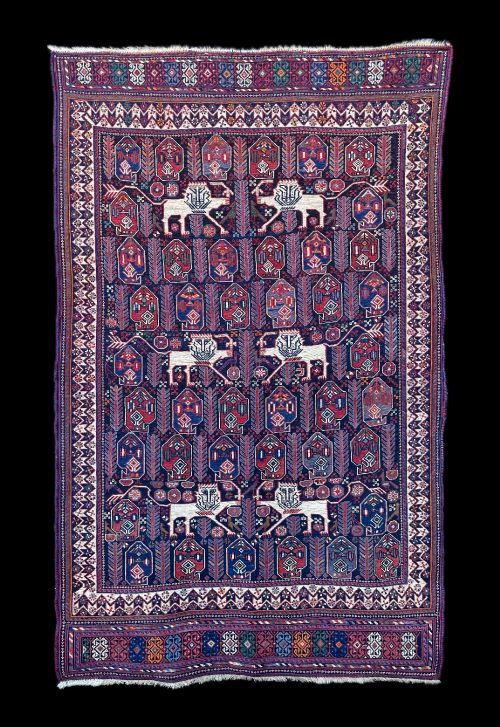
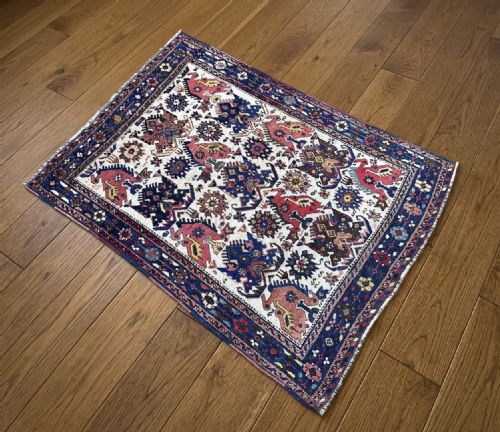
A kerman tribal carpet search brings up South Persian nomadic weaving, predominantly featuring pieces from the Afshar tribes of the Kerman Province and the Neiriz Region.
The objects here include rugs and area rugs alongside tribal textiles such as salt-bags and vanity-bags, mostly dating from the late nineteenth century through to the early twentieth century.
Buyers most frequently meet Afshar rug examples displaying traditional regional patterns, reflecting the distinctive output of southern Persia across periods like eighteen eighty and nineteen hundred.
How they were made
These textiles are constructed using wool and cotton materials, combining durable foundations with soft pile and flatweave techniques.
Weavers utilised natural dyes to colour the yarns, producing the rich palette characteristic of South Persian nomadic production.
Kerman Tribal Carpet Retail Price Guide 2026
Typical asking prices for kerman tribal carpet among the pieces listed under this phrase on Sellingantiques today, from the lower quarter to the upper quarter. They describe what is for sale here now, not the wider market.
Nomadic weavers stored salt in them, so your antique bag might still remember a pinch of ancient desert seasoning.
What varies in quality
The refinement of the knotting and the complexity of the tribal designs distinguish the finer examples from simpler utilitarian pieces.
Depth and saturation in the natural dyes play a significant role in separating standard rugs from the most visually striking specimens.
The Kerman Tribal Carpet Glossary
- Afshar
- A South Persian nomadic tribe known for distinctive geometric rugs and utilitarian bags from the Kerman Province.
- Soumak
- A flatweave textile technique producing a durable structure without a cut pile, often utilised for bags and coverings.
- Neiriz
- A specific region within the Kerman Province associated with notable tribal weaving traditions.
- Natural dye
- Colouring derived from plant and mineral sources rather than synthetic chemicals, typical of older Persian carpets.
Kerman Tribal Carpet: Frequently Asked Questions
What is a kerman tribal carpet?
A kerman tribal carpet or related rug originates from the nomadic and village communities of the Kerman Province in South Persia.
These pieces typically showcase traditional regional motifs hand-knotted in wool using natural dyes.
How were tribal bags used?
Tribal items such as salt-bags and vanity-bags served practical purposes in nomadic daily life for storage and transport.
Weavers decorated these smaller utility pieces with the same care and geometric patterns found on larger floor coverings.
How do I date these rugs?
Dating relies on material analysis, structural examination, and stylistic markers consistent with nineteenth and early twentieth century production.
Pieces from periods around eighteen eighty and nineteen hundred display specific dye behaviours and wear patterns characteristic of their age.
Where did these pieces originate?
The items stem from southern Persia, specifically involving groups like the Afshar tribes operating in areas such as Bardsir and Neiriz.
Geographic attribution is determined by specific design vocabularies and structural traits tied to these regions.