






Kashan Floor Rug
A kashan floor rug brings centuries of Persian weaving tradition into a room, offering intricate patterns and enduring textile artistry.
Kashan Floor Rug
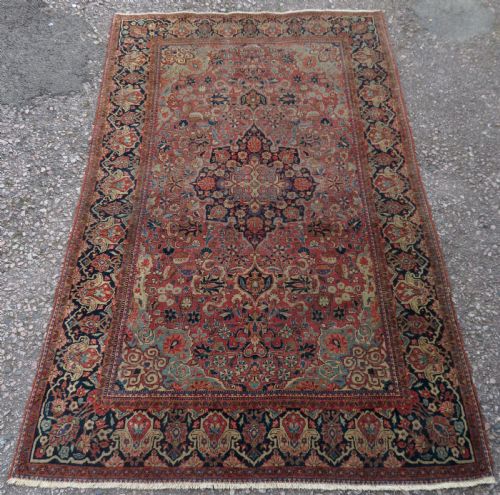
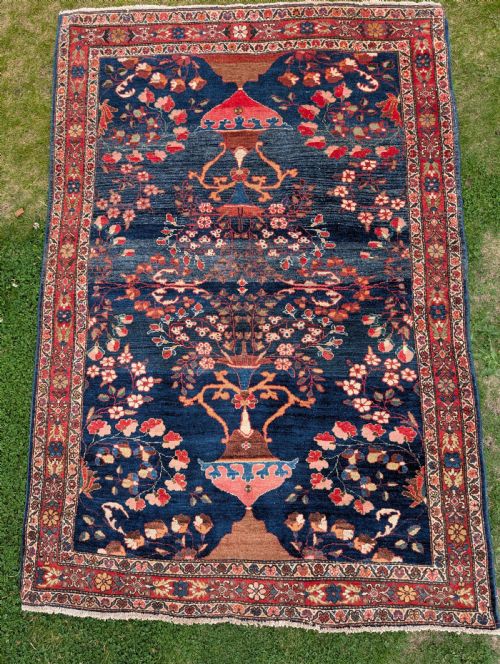
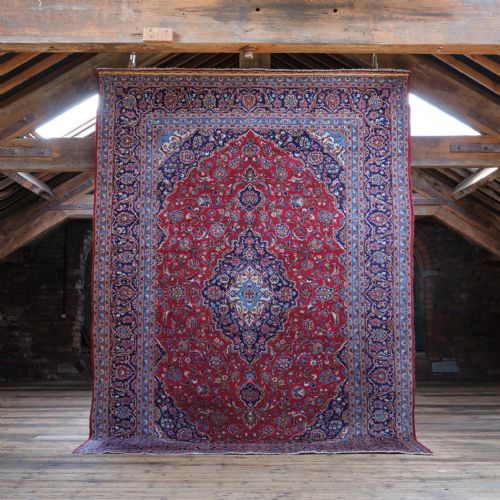
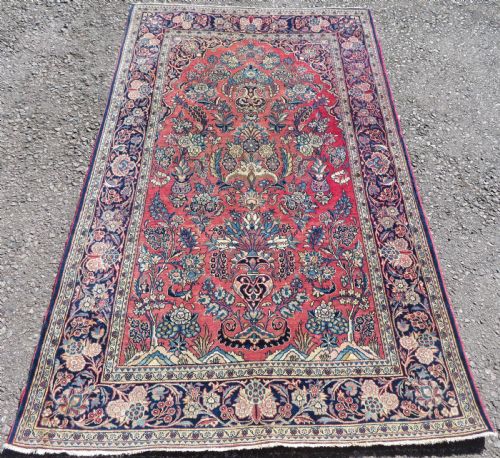
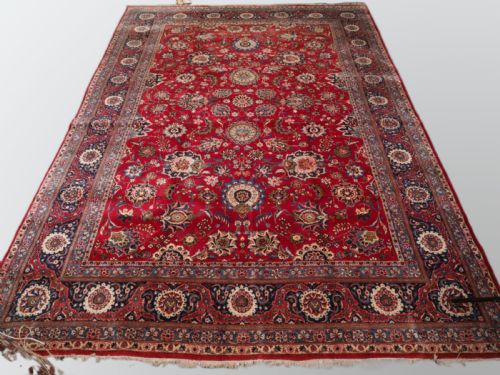
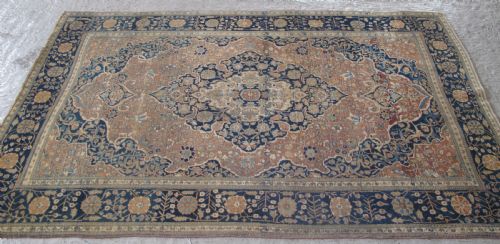
A kashan floor rug is a sophisticated woven textile originating from central Persia, designed to anchor a room with complex medallions, floral motifs, and rich traditional palettes. When searching for a kashan floor rug, buyers encounter pieces varying from standard area dimensions to massive palace sizes and prayer formats.
The materials span traditional wool, high-grade kork wool, part-silk blends, and pure silk constructions. Dating spans the nineteenth century through the early decades of the twentieth century, with many examples originating from the nineteen-twenties and nineteen-thirties.
Most entries reflect Persian origins, though Indo-Persian variations also appear within the selection. These floor coverings function as both practical ground coverings and historical artworks carrying established regional designs.
Construction and Materials
These textiles rely on meticulous hand-knotted techniques executed on cotton foundations. The pile utilises natural materials such as standard sheep wool, fine soft kork wool, and lustrous silk.
Weavers in central Persia employed dense knotting to achieve intricate floral vase designs, all-over patterns, and structured khatami motifs. The combination of durable cotton warp and weft threads with dense wool or silk pile ensures structural integrity across large carpets and smaller rugs.
Kashan Floor Rug Retail Price Guide 2026
Typical asking prices for kashan floor rug among the pieces listed under this phrase on Sellingantiques today, from the lower quarter to the upper quarter. They describe what is for sale here now, not the wider market.
Some nineteenth-century weavers signed their work in the corner border, leaving a quiet signature hidden beneath the floral scrollwork.
Evaluating the Weave
Quality rests primarily on knot density and the fineness of the materials used in the pile. Pieces utilising kork wool or pure silk display superior tactile softness and sharper pattern definition compared to standard wool equivalents.
The complexity and precision of the central medallion or all-over floral design indicate the skill of the original workshop. Structural uniformity across the cotton foundation and even wear of the pile further distinguish finer examples.
Mohtasham Kashan·Haroon Kashan·Mokhtashem Keshan
The Kashan Floor Rug Glossary
- Kork wool
- High-grade wool harvested from the neck and shoulders of sheep, known for exceptional softness and fineness. This material allows for greater knot density in antique carpets.
- Prayer rug
- A smaller format textile featuring a mihrab or niche design used historically for devotional purposes. These pieces often incorporate floral vase motifs within the field.
- Medallion
- A central ornamental design element placed in the middle of the rug field. It serves as the focal point around which floral and geometric motifs are arranged.
- Warp and weft
- The foundational threads of a woven textile. The warp runs vertically while the weft runs horizontally, supporting the hand-knotted pile.
Kashan Floor Rug: Frequently Asked Questions
How do I clean an antique kashan floor rug?
Professional specialist cleaning is essential for antique textiles to protect delicate silk and wool pile. Regular gentle vacuuming without a beater bar helps remove surface dust.
Avoid moisture-heavy DIY washing methods, as traditional dyes can bleed and cotton foundations require controlled drying conditions.
Where were these rugs made?
These pieces originated in Kashan, a historic city in central Persia renowned for textile production. Some variations also stem from Indo-Persian traditions influenced by these classical designs.
Production centres utilised local materials and established regional motifs passed down through generations of weavers.
What is a prayer rug?
A prayer rug is a smaller format textile traditionally featuring a pointed niche or arch design known as a mihrab. These patterns directed the user during daily observances.
In decorative contexts today, they function as compact accent pieces with distinct floral vase iconography.
How do I date a kashan floor rug?
Dating relies on stylistic analysis, material composition, and structural characteristics recorded in the physical piece. Nineteenth-century examples often display specific regional palette choices and wear patterns.
Twentieth-century pieces from the nineteen-twenties and nineteen-thirties show shifts in workshop output and design variations.