

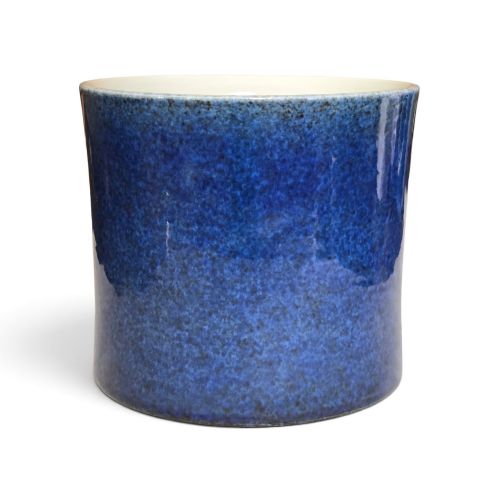


Kangxi Porcelain Vessel
A kangxi porcelain vessel brings fine Qing Dynasty craftsmanship into a room through hand-painted cobalt blue and enamel designs.
Kangxi Porcelain Vessel
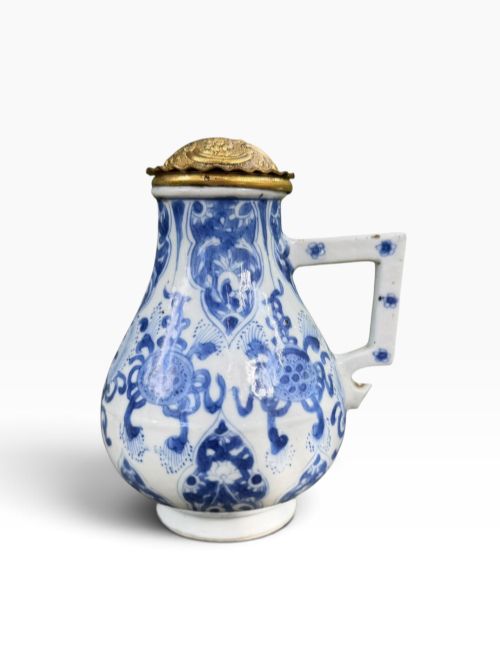
A kangxi porcelain vessel represents the ceramic output of the Qing Dynasty during the late 17th and early 18th centuries, encompassing functional and decorative forms. Buyers searching for a kangxi porcelain vessel encounter objects created between sixteen sixty-two and seventeen twenty-two, alongside later revival pieces.
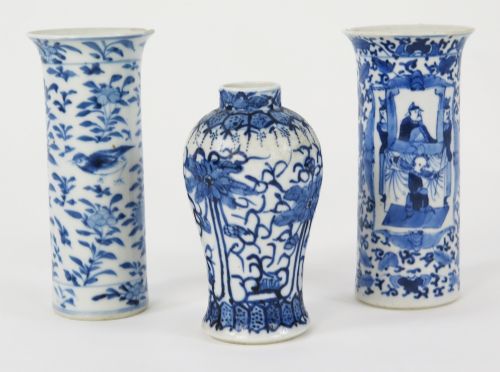
The assortment on this page includes vases, pots and pitchers, desk accessories, brush pots, incense burners and censers, teapots, ceramic vessels, and decorative figures. These items span various forms such as beaker vases, double gourd vases, and lidded bottles originating from Chinese export and domestic traditions.
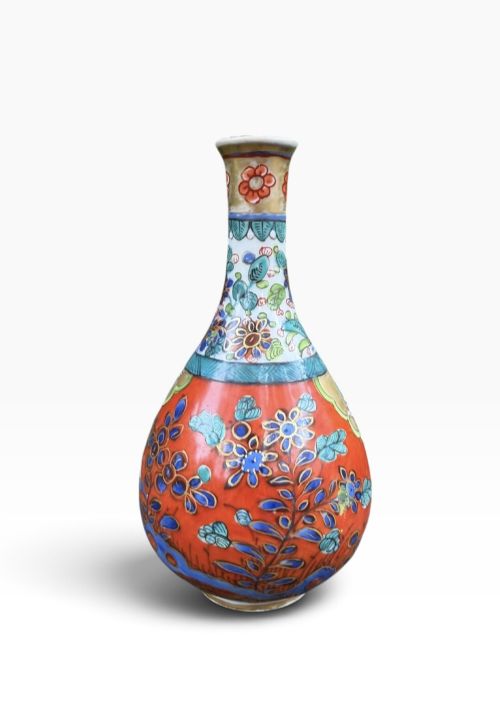
Most items present standard blue and white decoration, while others feature famille verte wucai enamels, powder-blue glazes, clobbered additions, or gilt metal mounts. Pieces date from the seventeenth and eighteenth centuries, with occasional nineteenth-century examples following earlier styles.
Materials and Techniques
Makers utilised fine porcelain clay shaped into vessels before applying cobalt blue pigment and cobalt underglaze beneath a clear glaze. Artisans also employed enamel and gilt metal mounts to embellish specific ceramic forms.
Kiln workers fired these pieces at high temperatures to vitrify the porcelain body and set the cobalt pigment, resulting in crisp underglaze decoration. Additional surface colours, such as enamel, required subsequent lower-temperature firings.
Kangxi Porcelain Vessel Retail Price Guide 2026
Typical asking prices for kangxi porcelain vessel among the pieces listed under this phrase on Sellingantiques today, from the lower quarter to the upper quarter. They describe what is for sale here now, not the wider market.
Pair of HoHo boys figures stand ready to bring cheerful Daoist blessings straight into your modern living room.
Gradations in Quality
Quality depends on the precision of the cobalt underglaze painting and the purity of the white porcelain ground. Fine examples display sharp, detailed brushwork and balanced proportions across forms like brush pots and beaker vases.
The integration of secondary materials, such as gilt metal mounts or later enamel additions known as clobbering, influences the character of the object. Masterful application of glaze and pigment distinguishes standard production from exceptional scholar's pieces.
The Kangxi Porcelain Vessel Glossary
- Bitong
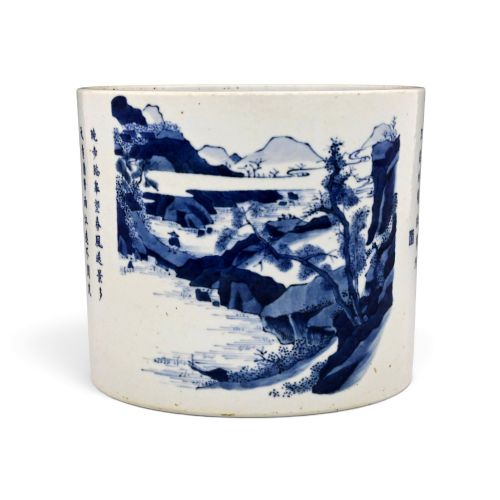
- A cylindrical Chinese brush pot used by scholars to hold writing brushes. These vessels often feature blue and white landscape scenes.
- Clobbered
- Porcelain that received secondary overglaze enamel decoration in Europe, usually England or Holland, long after its initial firing in China. This practice altered the original blue and white surface.
- Famille Verte
- A palette of green and contrasting overglaze enamels introduced during the Qing Dynasty. It appears alongside other colours on various figures and vessels.
- Gu
- An archaic bronze shape translated into porcelain as a beaker vase with a flaring mouth and base. These pieces reflect historic ritual vessel designs.
- Kendi
- A spouted drinking vessel or ewer originating in Southeast Asia and produced for export in Chinese kilns. They lack a traditional handle and rely on the spout for pouring.
- Wucai
- A ceramic decoration technique employing five colours, typically combining underglaze blue with overglaze enamels. The style creates vibrant pictorial scenes on porcelain bodies.
Kangxi Porcelain Vessel: Frequently Asked Questions
What is a bitong?
A bitong is a scholar's brush pot designed to hold writing instruments upright on a desk. These cylindrical vessels form part of the traditional scholar's studio.
They appear in blue and white porcelain as well as powder-blue glazed finishes from the seventeenth and eighteenth centuries.
How were these vessels used?
These pieces served multiple functions, ranging from scholar's desk accessories and incense burners to teapots, wine ewers, and decorative display objects. Export trade also distributed them to European markets for domestic use.
Mounts in gilt metal were sometimes added later to enhance their status in Western interiors.
What does clobbered porcelain mean?
Clobbered porcelain refers to older Chinese blue and white vessels that subsequently received additional enamel decoration in Europe. This practice covered parts of the original cobalt design with new colours.
These pieces combine early Qing Dynasty manufacture with later European decorative intervention.