


Jockey on Horse Picture
A proper jockey on horse picture captures the speed and grit of the turf through Victorian sporting art and mid-century works.
Jockey on Horse Picture
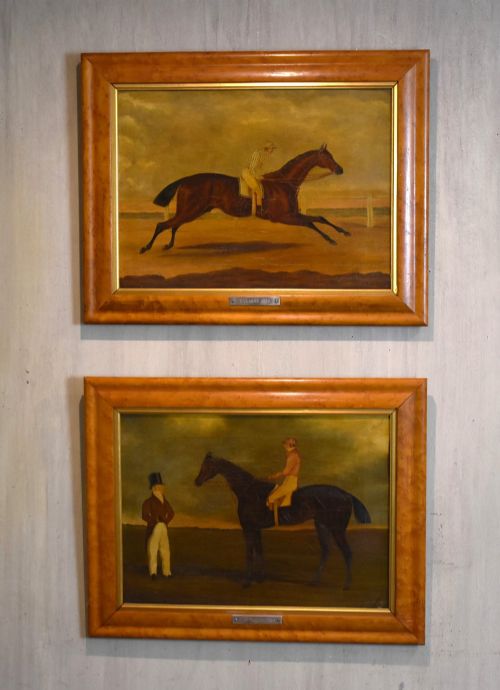
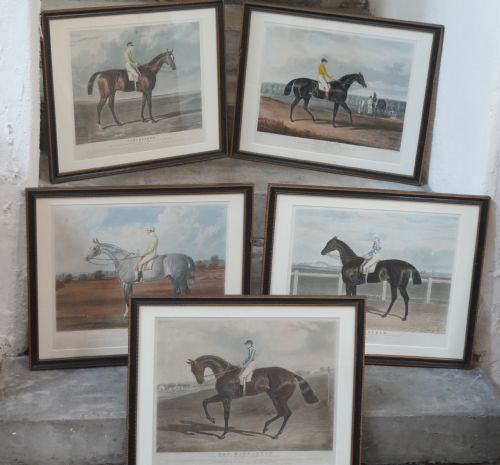
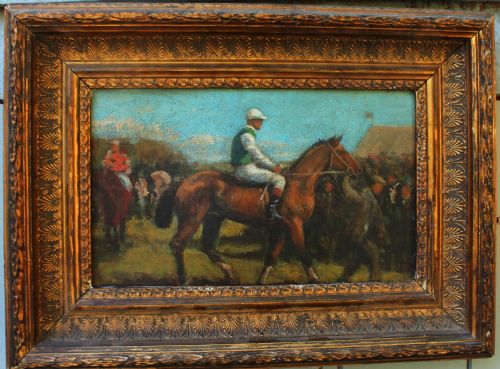
A jockey on horse picture brings the atmosphere of the racecourse into a room through framed prints, engravings, and oil paintings. These works range from Georgian prints and Victorian sporting art to mid-century pastels and gouache.
The selections span the nineteenth century up to the mid-twentieth century, capturing named thoroughbreds, historic races, and paddock scenes. Buyers frequently encounter framed prints and antique engravings alongside original oil paintings and watercolours.
Materials and Techniques
Artists and makers utilised oil paint and canvas for substantial portraits of racehorses and their riders, whilst others turned to watercolour and gouache on paper for lighter studies. Engravings, aquatints, and printed works formed affordable editions for nineteenth-century sporting enthusiasts.
Many works incorporate ink and pastel on coloured paper, mounted within wooden frames, sometimes accented with gilt details. The printed editions often relied on hand-colouring to bring vibrancy to the jockey silks and turf.
One past item combined equestrian art with hospitality by placing a painted picture of a jockey inside a silver cocktail shaker.
Factors That Distinguish Quality
Quality rests upon the sureness of the draughtsmanship in rendering the anatomy of the horse and the posture of the jockey in motion. Stronger pieces convey the dynamic tension of a race rather than a stiff, static silhouette.
The presence of a known artist, or a named subject such as a royal thoroughbred and specific jockey, elevates the significance of the work. Condition of the paper, canvas, and original framing also plays a role in establishing the standing of a piece.
John Frederick Herring Snr·Alfred Munnings·John Rattenbury Skeaping·Alfred Wheeler·John Atkinson·Isaac Cullin·Snaffles
The Jockey on Horse Picture Glossary
- Aquatint
- An intaglio printmaking technique that produces tonal areas resembling watercolour washes. It was frequently utilised for reproducing sporting scenes in the nineteenth century.
- Gouache
- An opaque water-based medium that allows for rich, solid areas of colour. Artists used it to capture the vivid hues of racing silks.
- Engraving
- A print made by cutting lines into a metal plate to hold ink. These plates produced crisp, detailed lines suited to early racing illustrations.
- Paddock
- The enclosure where horses are saddled and paraded before a race. Paddock scenes form a distinct genre within equestrian art.
- Sporting art
- A category of art depicting bloodstock, racing, hunting, and field sports. This tradition underpins the majority of these works.
Jockey on Horse Picture: Frequently Asked Questions
How do I date a horse racing print?
Examine the paper quality, printing technique, and any inscriptions noting publication dates or rider names. Aquatints and engravings often carry publisher lines from the Georgian and Victorian eras.
Compare the style of the jockey's cap and silks to historical records of racing fashion. Earlier pieces tend to show simpler riding postures compared to twentieth-century studies.
Are these works original paintings or prints?
The listings include both unique hand-painted works and mass-produced or limited-edition prints. Oil paintings, watercolours, and gouaches are one-off original pieces created by hand.
Engravings, aquatints, and photomechanical prints exist in multiple impressions. Check the medium specified in the listing details to confirm the type of work.
Who are Snaffles and other notable artists?
Snaffles was the pseudonym of Charles Johnson Payne, a celebrated twentieth-century sporting artist known for his characterful prints of racing and military life. Other prominent figures include Alfred Munnings and John Frederick Herring Snr.
These artists brought first-hand knowledge of horses to their canvases and print plates. Their works are particularly sought after by collectors of equestrian art.
How should I frame and hang sporting art?
Select traditional wooden frames that complement the period of the artwork, using conservation-grade mounts for works on paper. Ensure the piece is kept away from direct sunlight to prevent fading of watercolours, inks, and coloured papers.
Group related prints together to create a traditional sporting gallery wall. Keep them at eye level in dry rooms with stable humidity.