
Jewellery Box Chest
When you search for a jewellery box chest, you uncover miniature furniture and lidded caskets designed to safeguard precious trinkets across centuries of craftsmanship.
Jewellery Box Chest
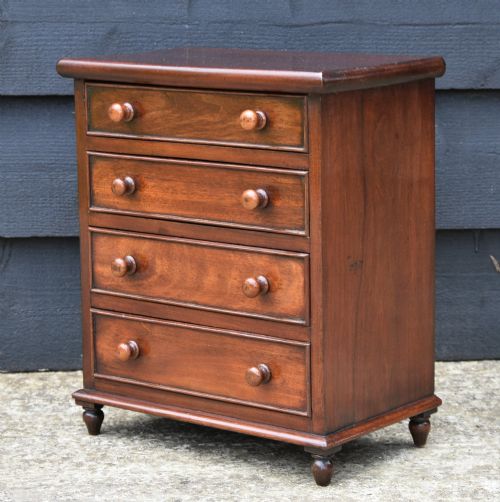
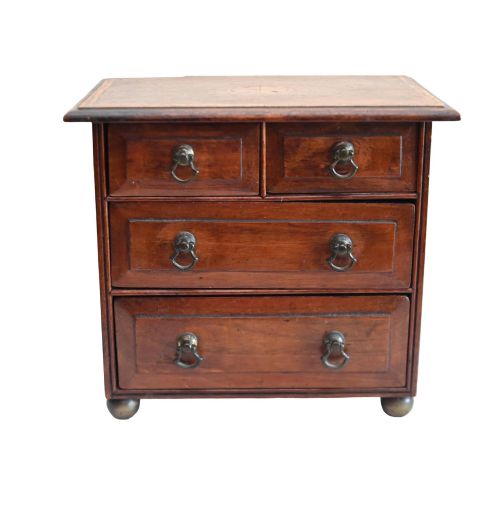
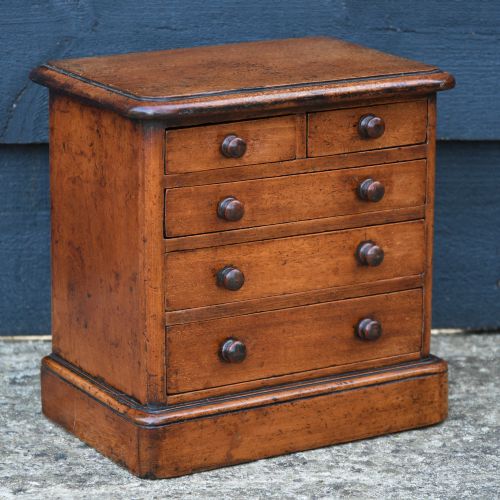
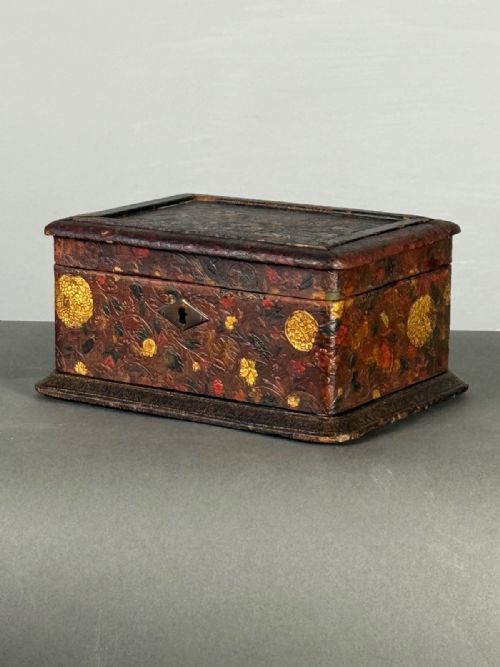
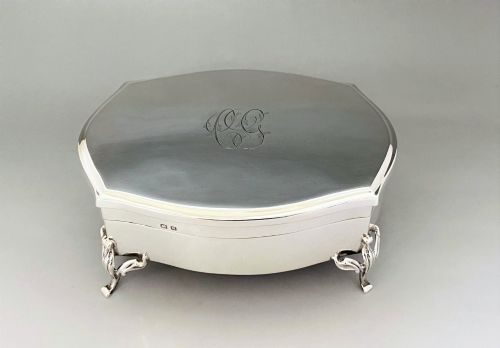
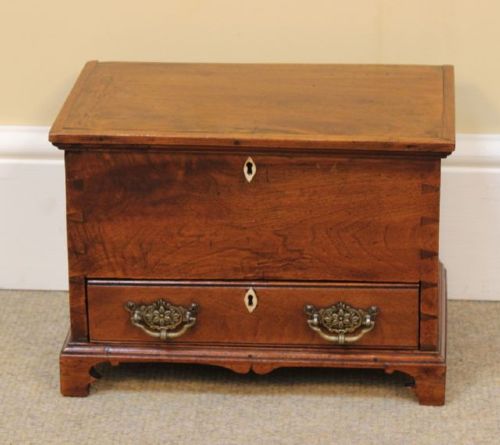
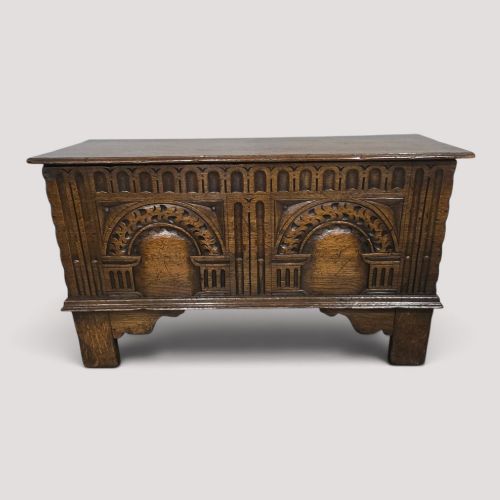
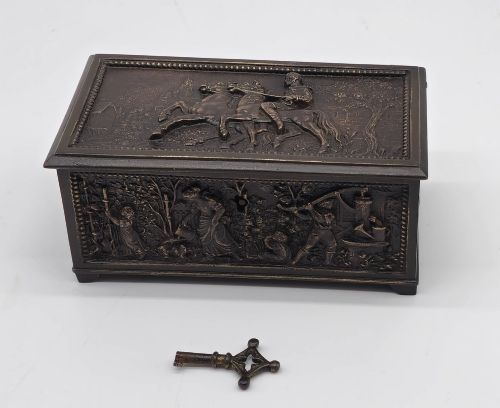
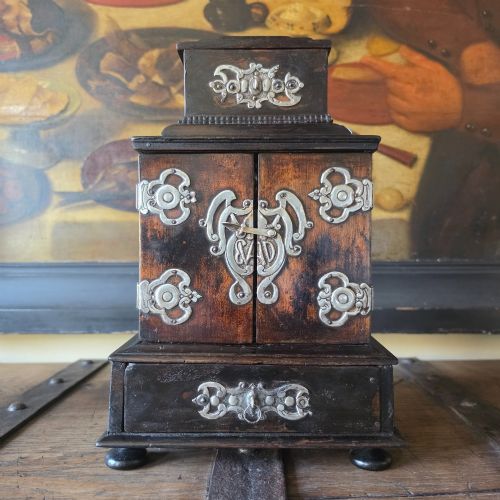
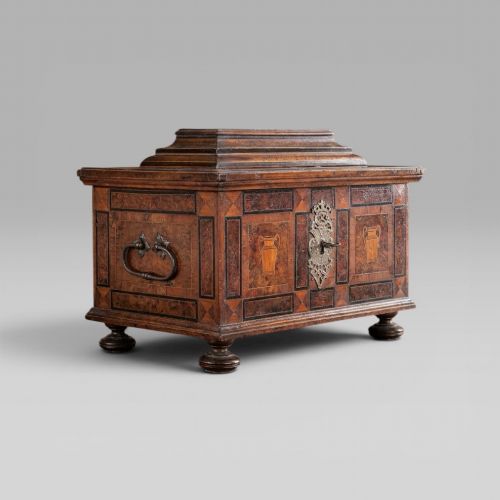
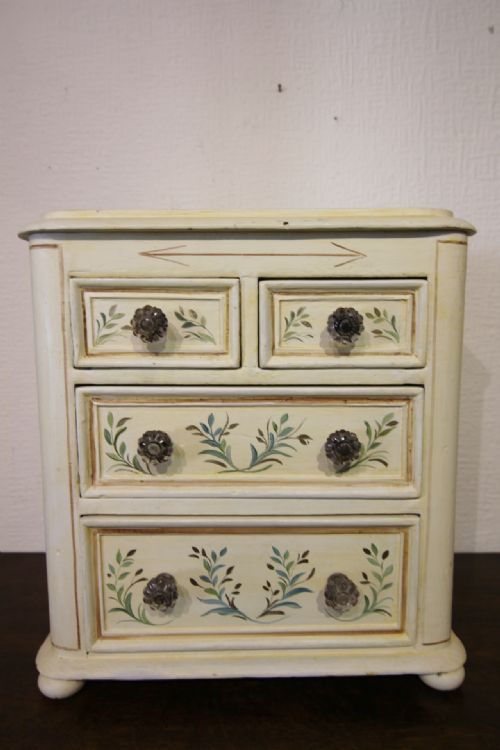
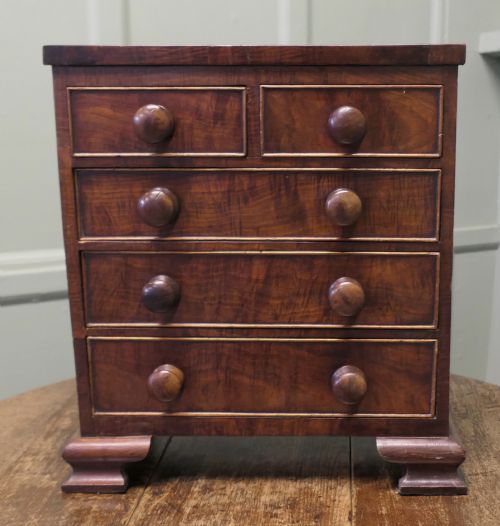
A jewellery box chest combines the functional storage of a traditional chest with the intimate scale of a personal trinket container. These pieces frequently manifest as miniature chests of drawers, apprentice pieces, and lidded caskets originating from the Georgian, Victorian, and Edwardian eras.
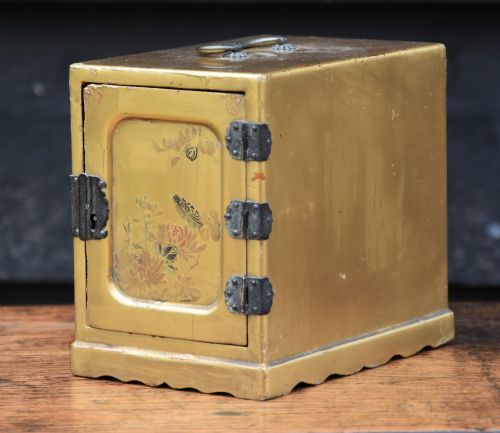
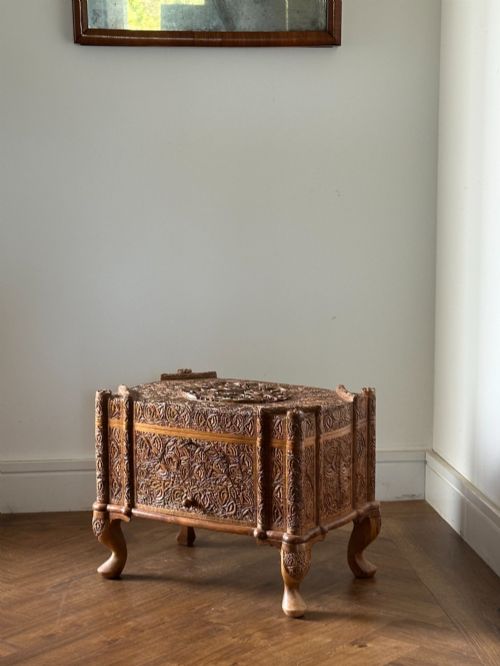
The assortment on this page includes table cabinets, miniature commodes, and sarcophagus-shaped caskets constructed across various global traditions, from Japanese lacquerware to Anglo-Indian hardwood cases.
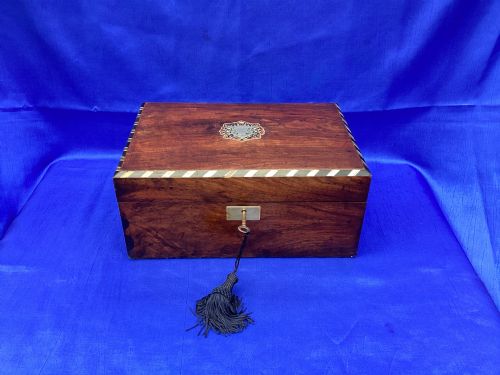
Buyers will most commonly encounter mahogany, rosewood, and walnut miniature chests of drawers alongside silver-mounted velvet-lined caskets and brass-accented wooden boxes.
How They Were Made
Cabinetmakers utilised dense timbers such as mahogany, walnut, rosewood, and oak, often applying burr veneers to create richly figured surfaces on these diminutive chest forms.
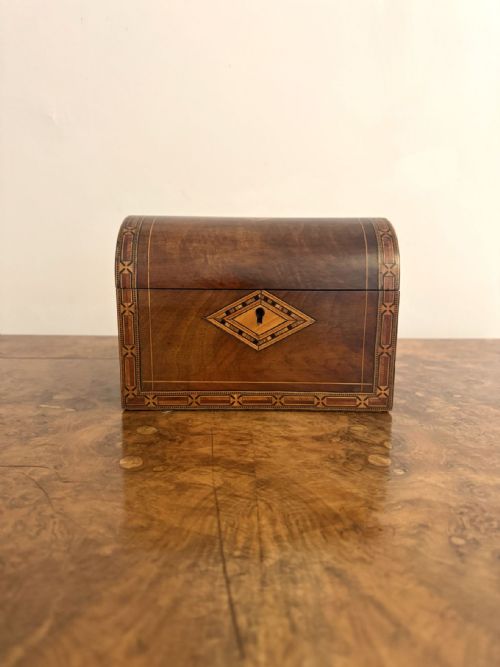
Many examples incorporate specialised decorative techniques including Tunbridge inlay, mother-of-pearl escutcheons, brass engraving, gilt lacquer, and leather covering.
Internal spaces were frequently lined with silk, velvet, or baize, featuring fitted compartments, trays, and specialised pin cushions designed for securing delicate items.
Some miniature chests hide secret compartments originally designed for secret love letters and covert keepsakes.
What Varies in Quality
The sophistication of the internal fitting and the precision of the joinery largely distinguish standard boxes from exceptional collector pieces. Fine examples maintain fully operational miniature drawer runners, original silk linings, and intact locking mechanisms with matching keys.
Material selection and surface ornamentation create distinct tiers of desirability, particularly where skilled marquetry, hand-engraved silver mounts, or intricate tortoise-shell panels are present.
Susse Freres·Blanckensee And Sons·C E Turner·Clark And Sewell·Alexander Ritchie·J And R Attenborough·Nathan And Hayes·James Deakin And Sons·Thomas Bradbury And Sons
The Jewellery Box Chest Glossary
- Apprentice piece
- A small-scale item demonstrating a craftsman's mastery before attaining full guild membership. These often take the form of miniature chests of drawers.
- Casket
- A decorative box designed for holding valuables or jewellery. They frequently feature hinged lids and secure locking mechanisms.
- Tunbridge inlay
- A meticulous woodworking technique utilising thousands of tiny tinted wood blocks to create geometric or floral mosaics. It is commonly found on 19th-century wooden boxes.
- Guilloche enamel
- A decorative technique where an engraved metal surface is coated with translucent enamel. Edwardian silver boxes frequently showcase this method.
- Table cabinet
- A miniature piece of furniture designed to sit upon a desk or table for storing small documents or trinkets. These often include multiple internal drawers behind hinged doors.
Jewellery Box Chest: Frequently Asked Questions
What is a miniature chest of drawers?
A miniature chest of drawers is a small-scale cabinetry piece featuring operational drawers built to hold rings, brooches, and personal papers. These items served both as functional tabletop storage and as displays of woodworking skill.
Craftsmen built these scaled-down chests using the same timber varieties and dovetail joinery found in full-sized furniture of the period.
How were antique jewellery caskets used?
Antique jewellery caskets sat upon dressing tables and sideboards to safeguard precious gems, watches, and personal letters. Their fitted velvet or silk interiors protected delicate metals and stones from scratching.
Wealthy owners utilised lockable caskets to secure valuable trinkets when travelling or entertaining within large households.
How do I identify a Victorian jewellery chest?
Victorian jewellery chests typically employ dark dense woods such as rosewood and mahogany, frequently embellished with mother-of-pearl inlay or brass banding. Their interiors usually feature removable velvet-lined trays and compartments tailored for specific ornaments.
Examining the secondary timbers inside the drawers and the style of the brass hardware helps confirm the mid-to-late 19th-century manufacturing period.
What distinguishes an apprentice piece box?
An apprentice piece box is a meticulously constructed miniature furniture model created by a craftsman proving advanced competency to a trade guild. These display exceptional dovetailing and proportion despite their small dimensions.
They are identified by the same structural integrity and timber selection seen in standard furniture produced during the Georgian and Victorian eras.