



Japonisme Display Cabinet
A japonisme display cabinet brings the striking decorative arts of Japan into nineteenth-century European interiors through thoughtful timberwork and intricate detailing.
Japonisme Display Cabinet
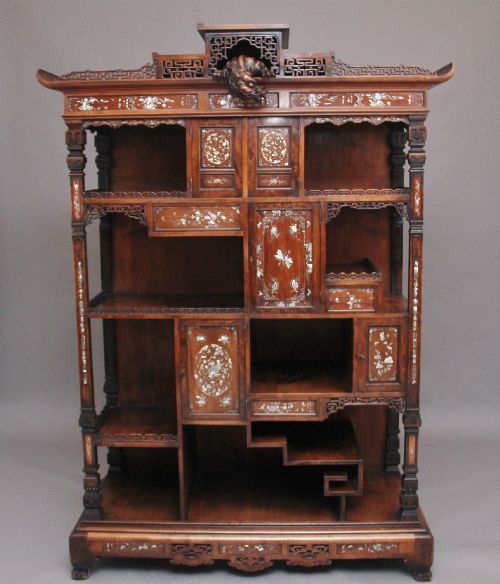
A japonisme display cabinet merges European cabinetry forms with Japanese aesthetic influences, appearing across the nineteenth century in styles from the Victorian era to the Meiji period. These pieces frequently take the form of specialised display cabinets, music cabinets, corner cabinets, and shodana, serving as focal points for curated collections.
The most likely version to encounter on this page is a late nineteenth-century French or English piece utilising exotic hardwoods, bamboo, or walnut, often attributed to notable makers. They combine traditional display shelving with characteristic motifs inspired by Japanese design, reflecting the era's widespread fascination with Eastern art.
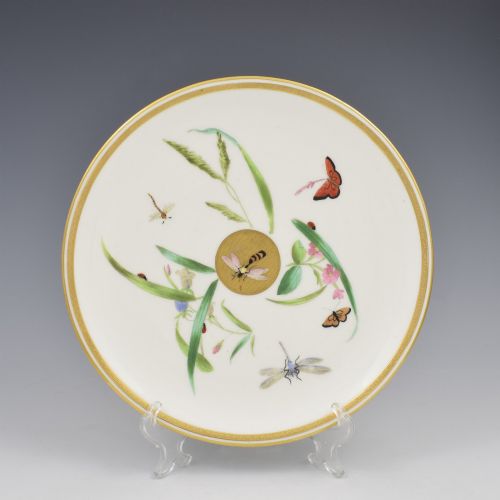
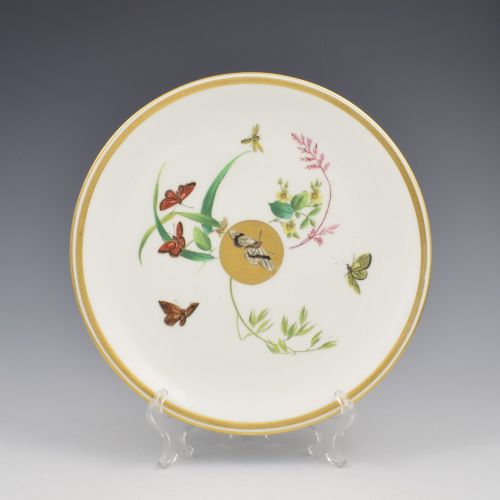
Forms vary from compact bamboo cupboards to large, highly decorative shodana cabinets featuring intricate compartments and integrated porcelain or enamel plaques. Alongside these primary storage and display pieces, buyers frequently encounter related items such as side tables and cabinet plates sharing the same distinct style.
Materials and construction methods
Makers utilised a variety of sturdy timbers including walnut, padouk, and other dense hardwoods, alongside lighter materials such as bamboo to capture an authentic aesthetic. These structural elements were frequently paired with glass panels to protect delicate contents while maintaining visibility.
Surface decoration involved meticulous craftsmanship, incorporating gilt bronze mounts, mother of pearl inlay, and hand-painted porcelain or enamel details. Artisans drew heavily on Japanese motifs, applying gilt suns, insects, and butterflies to enrich the visual texture of the furniture.
Several cabinets manage to look entirely serene while crammed with gilded insects and mother of pearl butterflies.
Assessing craftsmanship and execution
The division between standard and superior pieces rests on the precision of the joinery and the finesse of the decorative inlays. Finer examples display seamless integration of exotic woods and delicate components like mother of pearl or enamel without heavy-handed glue or clumsy alignment.
Attribution and the sophistication of the carved or applied ornament heavily influence distinction within this category. Pieces showing disciplined restraint alongside rich textural contrast command greater attention from collectors than simpler, purely utilitarian storage boxes.
Gabriel Viardot·Gabriel Frederic Viardot·Minton
The Japonisme Display Cabinet Glossary
- Japonisme
- The study and influence of Japanese art and design on Western works during the nineteenth century. This movement deeply transformed European furniture, ceramics, and decorative arts.
- Shodana
- A traditional Japanese style of small decorative cabinet featuring staggered shelves and multiple compartments. These pieces were adopted by European makers during the nineteenth century to display curiosities.
- Padouk
- A heavy, durable tropical hardwood prized for its rich reddish-brown colour and fine grain. Makers utilised it for high-status nineteenth-century cabinetry.
- Aesthetic Movement
- A late nineteenth-century British and French movement emphasising art for art's sake and incorporating Japanese motifs. It prioritized visual beauty over conventional moral or narrative content in design.
- Meiji Period
- The era in Japanese history spanning from eighteen sixty-eight to nineteen twelve, characterised by the opening of trade with the West. Goods exported during this time heavily influenced European decorative tastes.
Japonisme Display Cabinet: Frequently Asked Questions
What is a japonisme display cabinet?
A japonisme display cabinet is a nineteenth-century storage or display piece influenced by Japanese design principles and decorative motifs. These cabinets combine European furniture forms with Eastern aesthetics, often utilising exotic hardwoods and intricate inlays.
They were designed to showcase small collections, ceramics, and curiosities in drawing rooms and parlours influenced by the Aesthetic Movement.
How were these cabinets used?
These pieces served primarily to exhibit treasured objects, porcelain plates, and decorative items reflecting the owner's sophisticated taste. The enclosed glass sections and open shelving allowed for both protection and striking visual presentation.
Music cabinets and smaller shodana also provided specialised storage for sheet music or small personal effects while maintaining a decorative presence in the room.
How do I live with one?
Living with a japonisme display cabinet involves placing it away from direct sunlight and severe temperature fluctuations to protect delicate hardwoods and inlays. Because these pieces feature intricate details like mother of pearl and gilt bronze, a stable indoor environment preserves their condition.
Use the interior shelves to display modest collections of ceramics or glass that complement the cabinet's historical aesthetic without overcrowding the space.
How can I tell periods apart?
Distinguishing between periods relies on observing shifts in materials, construction techniques, and stylistic influences from the mid to late nineteenth century. Earlier Victorian pieces often adhere to stricter revival forms, while later items from the eighteen nineties lean further into asymmetrical Japanese arrangements.
Reference to specific movements like the Aesthetic Period or the Meiji era provides further chronological anchor points when examining hardware, timber choices, and decorative motifs.