





Japanese Style Plant Stand
A Japanese style plant stand brings a disciplined botanical focus to a room, using slender frames and dark finishes to lift greenery.
Japanese Style Plant Stand
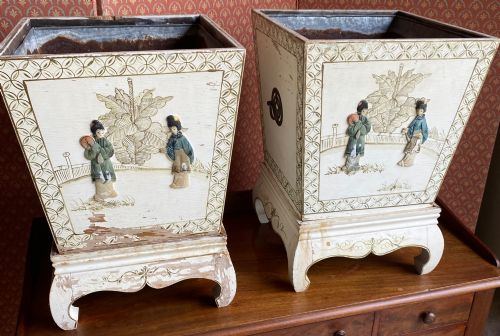
A Japanese style plant stand is a sturdy yet graceful support designed specifically to elevate indoor foliage and decorative jardinieres. When you search for this phrase, you encounter occasional tables, etageres, side tables, and dedicated display stands that bridge Eastern design philosophies and late nineteenth-century Western interiors.
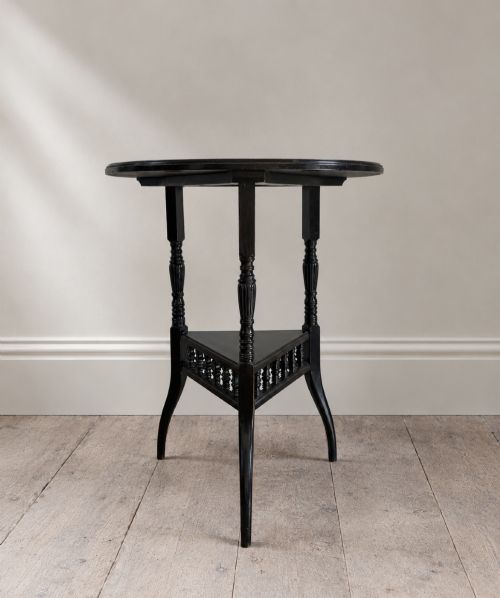
The versions most likely to appear here emerge from the nineteenth century, including the Aesthetic Movement, Japonisme, and Arts and Crafts periods, alongside later twentieth-century interpretations like the Taisho period. These pieces frequently manifest as bamboo frameworks, ebonised occasional tables, and lacquer surfaces suited for displaying natural forms.
Makers and designers of the era, such as Liberty and Co or those working in the manner of E.W. Godwin, adapted Japanese structural simplicity into domestic furniture. They serve as functional pedestals that frame plants with geometric clarity rather than heavy ornamentation.
Materials and construction
The construction of a Japanese style plant stand relies heavily on natural materials like bamboo, hardwood, mahogany, rosewood, and oak, often shaped into slender supporting legs and multi-tiered platforms. Artisans utilised traditional joinery to keep the frames lightweight yet stable enough to bear the weight of heavy ceramic planters and soil.
Surfaces frequently feature red or black lacquer, hand-painted details, and ebonised finishes that mimic the deep tones of imported Asian furniture. Brass elements sometimes appear as subtle mounts or corner brackets, adding structural reinforcement and a metallic contrast to the organic wood and bamboo.
Japanese Style Plant Stand Retail Price Guide 2026
Typical asking prices for japanese style plant stand among the pieces listed under this phrase on Sellingantiques today, from the lower quarter to the upper quarter. They describe what is for sale here now, not the wider market.
Some nineteenth-century makers built these stands so lightly that a strong breeze might mistake them for wind chimes.
Qualities of craftsmanship
The distinction between standard commercial pieces and finer examples rests in the precision of the joinery and the integrity of the materials. Superior stands exhibit tight joints in bamboo or hardwood that resist wobble under load, whereas lesser items rely on excessive glue or clumsy fasteners to maintain stability.
Surface execution also separates tiers of quality, seen in the depth and durability of lacquer applications or the crispness of hand-carved detailing. Pieces associated with notable retailers or specific designers display a deliberate harmony of proportion that lesser workshop copies miss.
Liberty and Co·Gabriel Viardot·E W Godwin
The Japanese Style Plant Stand Glossary
- Aesthetic Movement
- A late nineteenth-century design current emphasising art for art's sake and the incorporation of Japanese motifs into Western decorative arts. It rejected heavy Victorian clutter in favor of clean lines and simplified forms.
- Japonisme
- A Western fascination with Japanese art and aesthetics that influenced European painters, designers, and furniture makers from the mid-nineteenth century onward. This influence is visible in asymmetrical compositions and naturalistic subjects.
- Ebonised
- Wood treated with a dark stain or finish to imitate expensive ebony. This technique was popular in nineteenth-century British furniture to create high-contrast silhouettes.
- Etagere
- A piece of furniture consisting of a set of open shelves for displaying small objects or plants. These tiers allow light to pass through while offering multiple display levels.
- Jardiniere
- An ornamental pot or stand for holding flowers or plants, often made of ceramic, brass, or carved wood. They frequently sit atop dedicated stands to elevate them within a room.
Japanese Style Plant Stand: Frequently Asked Questions
What is a Japanese style plant stand?
A Japanese style plant stand is a raised platform or small table created to display indoor greenery, drawing on nineteenth-century aesthetic philosophies.
These pieces use slender proportions, bamboo, ebonised wood, and lacquer to support plants without overwhelming the surrounding interior space.
How were these stands used historically?
Historically, homeowners placed these stands in drawing rooms and parlours to showcase prized ferns, trailing plants, and ceramic jardinieres at varying heights.
They allowed Victorian and Edwardian interiors to incorporate living greenery as a central decorative element rather than a casual afterthought.
How do I live with a plant stand?
You can use a plant stand in corners, beside windows, or as a slim side table to hold books and small decorative objects when not supporting plants.
Ensure you use protective saucers beneath potted plants to prevent moisture damage to antique wood, bamboo, and lacquered surfaces.
How can I tell the period apart?
Examining the materials, joinery techniques, and surface finishes helps distinguish nineteenth-century Aesthetic Movement examples from later twentieth-century revivals.
Earlier pieces often feature hand-applied ebonising, natural bamboo, and specific construction methods associated with designers like E.W. Godwin or retailers such as Liberty.