



Japanese Porcelain Incense Burner
A Japanese porcelain incense burner brings intricate Meiji and Edo artistry, vibrant enamel, and sculptural lids into your home.
Japanese Porcelain Incense Burner
When you search for a japanese porcelain incense burner, you encounter delicate vessels made for burning fragrant woods and resins. These range from tripod koro to complex garnitures and animal forms created during the 19th Century and the Edwardian period.
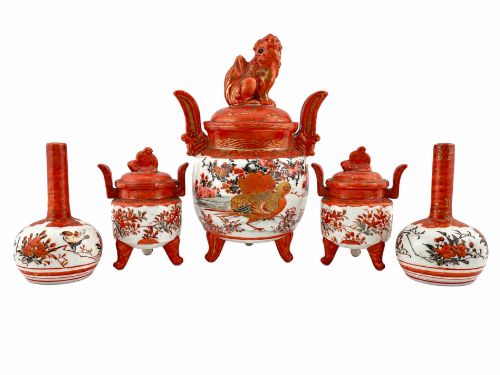
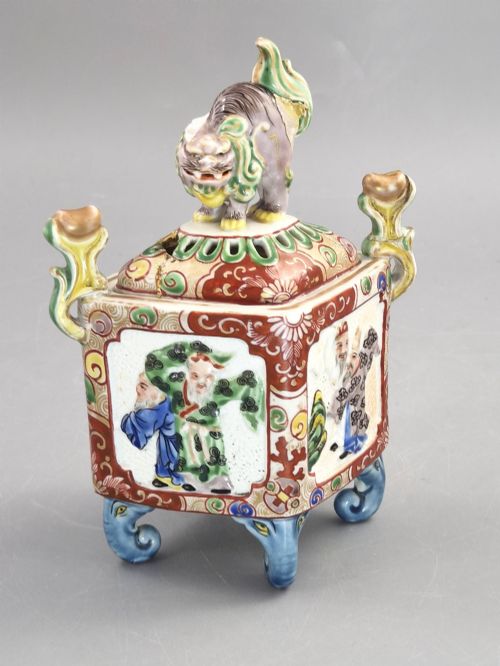
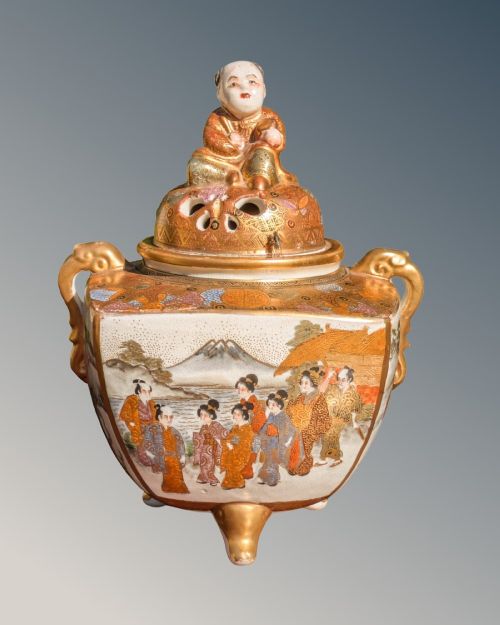
You are most likely to meet Meiji Period examples decorated with elaborate overglaze enamel, cobalt underglaze, and gold leaf. Many feature sculpted finials like the Karashishi lion or elephant head feet supporting the body.
Makers shaped these censers into traditional urns or playful shapes such as a treasure ship, known as a Takarabune. The selection spans distinct regional aesthetics including Kutani, Satsuma, and Imari styles.
How they were made
Potters shaped fine porcelain and earthenware bodies by hand or mould before applying cobalt underglaze details. Artisans then added rich overglaze enamel and gold leaf accents to create the characteristic vibrant surfaces.
Sculptural elements like dragons, lions, and elephant head feet were modelled separately and attached before firing. Skilled hands also carved reticulated patterns into the porcelain walls to allow smoke to rise gracefully.
Japanese Porcelain Incense Burner Retail Price Guide 2026
Typical asking prices for japanese porcelain incense burner among the pieces listed under this phrase on Sellingantiques today, from the lower quarter to the upper quarter. They describe what is for sale here now, not the wider market.
Listings feature 19th Century and Edwardian items, showcasing porcelain, earthenware, enamel, and bronze materials across Meiji and Edo styles.
What varies in quality
The sophistication of the modelling determines the visual success of the piece, separating rigid shapes from fluid, lifelike animal forms and dragons. Crisp detail in the reticulated work and precise control over the enamel and gilding elevate certain examples.
The complexity of the form also dictates the tier of the work, moving from simple tripod vessels to multi-piece garnitures and figural shapes like treasure ships. Finer pieces demonstrate a harmony between the painted narrative scenes and the sculptural additions.
Kizan
The Japanese Porcelain Incense Burner Glossary
- Koro
- A traditional Japanese incense burner, often supported on three feet and fitted with a pierced lid. These vessels form the majority of the available examples.
- Meiji Period
- The era in Japanese history spanning from 1868 to 1912, characterised by intense artistic production and openness to international trade. Most listed items date from this transformative span.
- Imari
- A style of Japanese porcelain featuring a distinct palette of cobalt blue, iron red, and gold. This aesthetic gained immense popularity in both domestic and export markets.
- Kutani
- A style of Japanese pottery and porcelain known for bold colours and intricate pictorial designs. Pieces from this tradition often incorporate figures, birds, and floral motifs.
- Garniture
- A set of matching ceramic vessels designed for display on a mantelpiece or cabinet. These sets usually comprise vases and a central koro with a cover.
- Reticulated
- Pierced or openwork decoration carved into the ceramic body to form a geometric or organic lattice. This technique allows incense smoke to filter through the walls of the vessel.
Japanese Porcelain Incense Burner: Frequently Asked Questions
What is a koro?
A koro is a traditional Japanese incense burner designed to hold burning incense during ceremonies or quiet reflection. These vessels typically feature a deep bowl, supporting feet, and a removable lid.
The lid often includes a sculptural finial such as a lion or mythical beast, designed with openings to let fragrant smoke escape into the room.
How do I use an incense burner?
You place a bed of ash or a small heat-resistant disc inside the porcelain bowl before lighting your incense. The durable ceramic and bronze elements safely contain the heat while the vessel rests on a table or shelf.
After use, the smooth glazed interior allows you to easily brush away remaining ash and residue to keep the piece clean.
How do I style a koro at home?
A koro serves as a striking focal point when displayed on a sideboard, mantelpiece, or within a glass cabinet. You can pair a single lidded vessel with other decorative objects or display a complete garniture set together.
Position the piece where its detailed enamel work and gold leaf catch the natural light of the room.
How do I tell Meiji period pieces apart?
Meiji period porcelain often displays vibrant overglaze enamels, intricate gilding, and dynamic sculptural forms like dragons or temple lions. Artisans of this era embraced complex decorative schemes and technical innovations.
Earlier Edo period items tend to exhibit different stylistic traits and restraint, reflecting the distinct aesthetic priorities of their time of creation.