

Japanese Meiji Sculpture
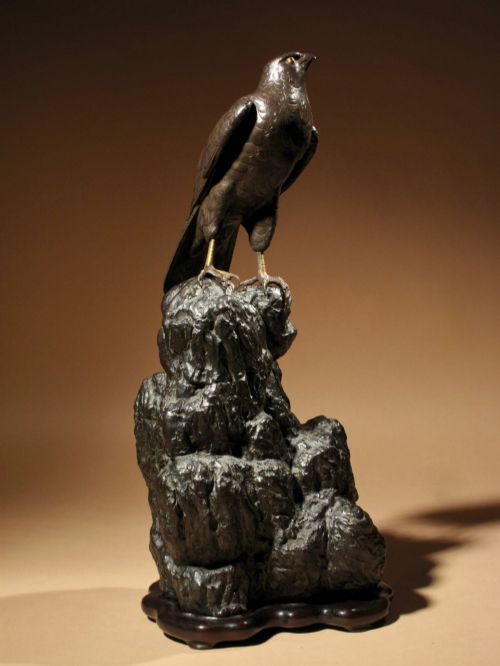
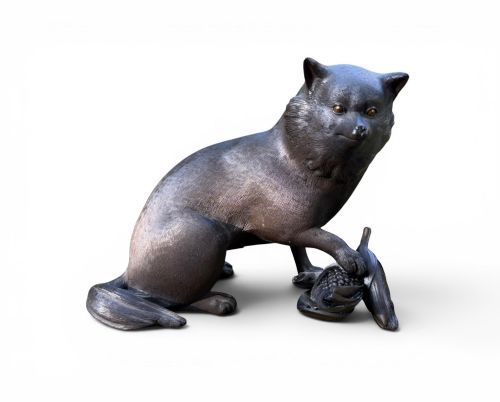
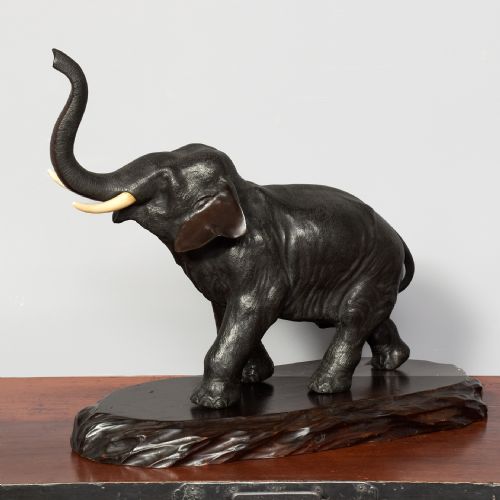
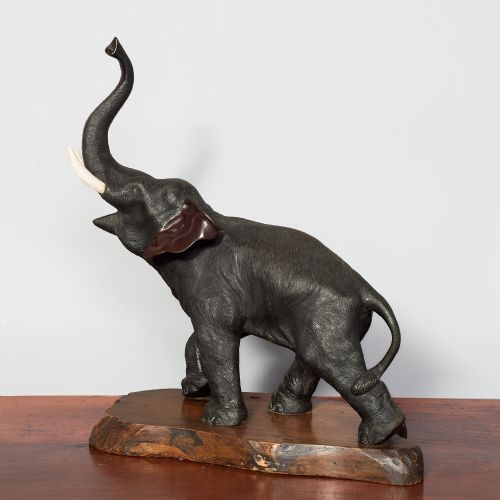
These Japanese meiji sculpture works capture a period of intense artistic refinement through naturalistic bronze animals and porcelain deities.
Japanese Meiji Sculpture
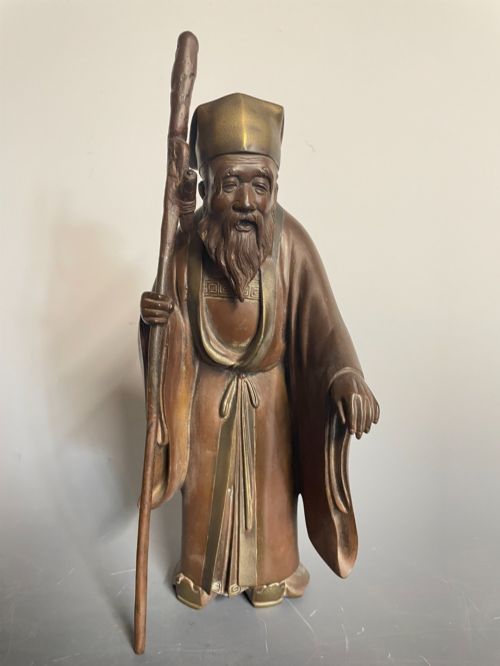
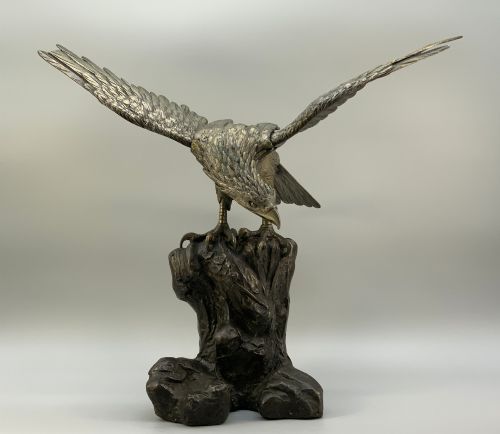
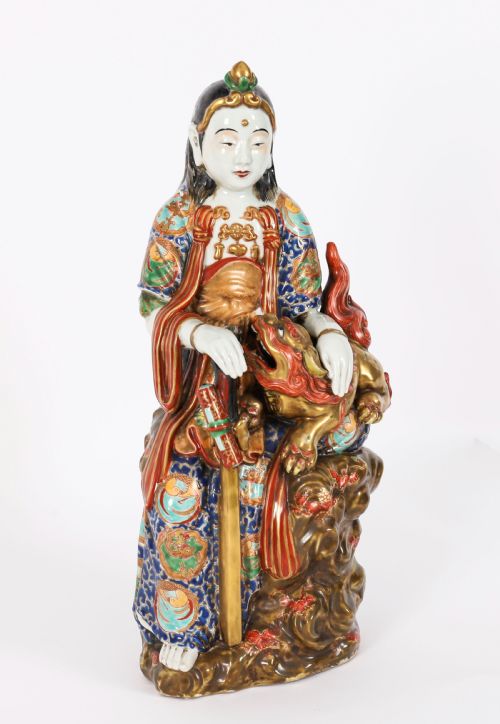
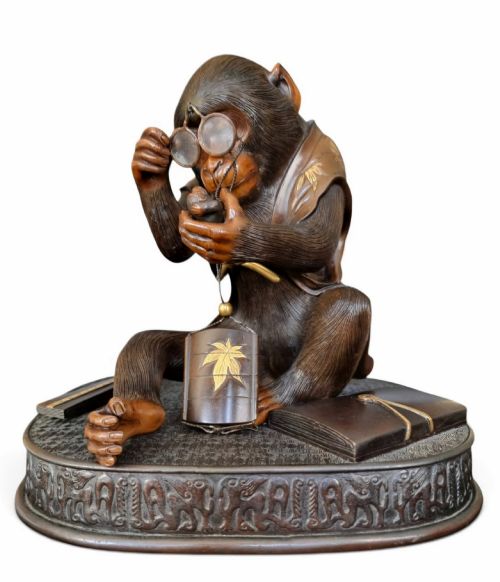
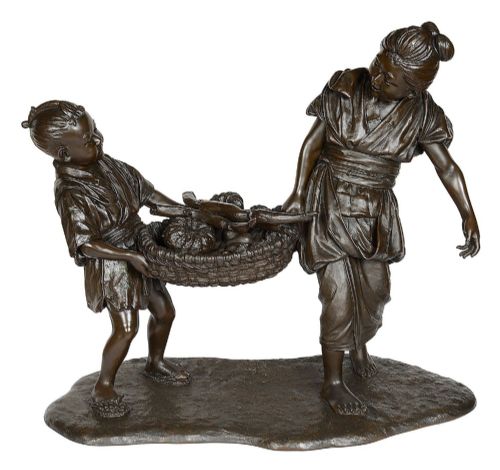
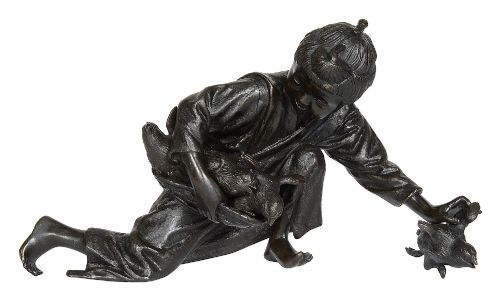
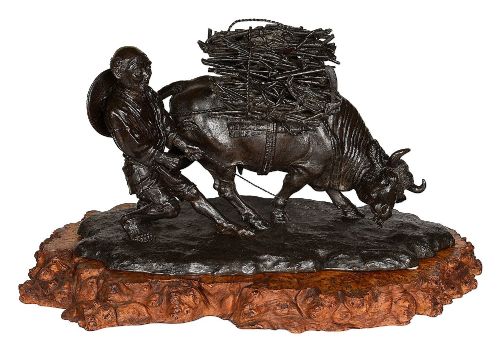
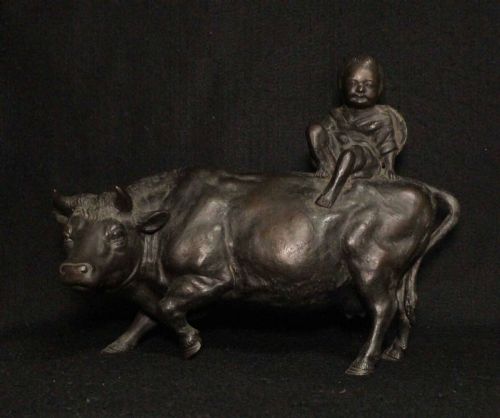
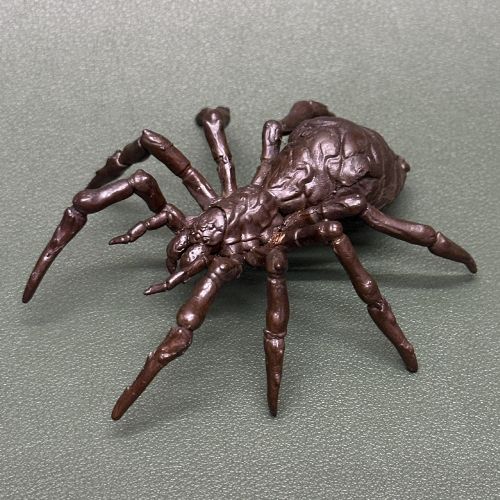
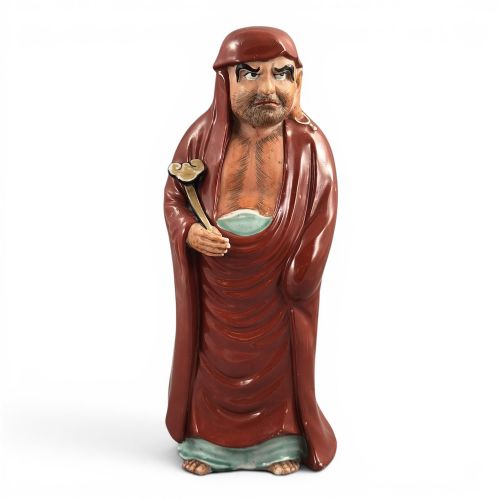
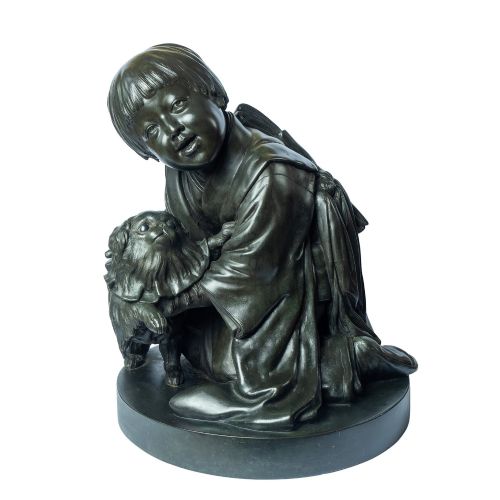
When you search for Japanese meiji sculpture, you find decorative objects produced during the Meiji period, encompassing figures, deities, and animals. The selection relies heavily on patinated bronze okimono alongside ceramic pieces from Kutani and Satsuma.
The subjects range from domestic animals and mythical creatures to figures from folklore and daily life. Many pieces bridge traditional religious iconography with an observational realism that developed rapidly in the late nineteenth century.
Makers produced these works as display items for domestic interiors, shifting traditional temple artistry into standalone sculptures. The pieces vary from small hand-held netsuke to substantial garden bronzes.
Materials and Technique
Ceramic figures combine moulded porcelain and earthenware bodies with detailed hand-painting and enamel glazes. Carvers also worked in wood, ivory, cherry amber, and stag antler to create articulated or solid netsuke and okimono.
Subjects range from monumental garden dragons and fighting tigers to minute articulated centipedes and tortoises.
Defining Quality
The standard of a Japanese meiji sculpture rests on the precision of surface detail and the naturalism of the subject's anatomy and posture. Superior castings retain crispness in every feather, scale, or muscle without relying on surface finish to hide weak modelling.
Signed pieces by recognised studios or master metalworkers demonstrate greater mastery in the balance of composition and the depth of the metal patina. The integration of mixed metals or inlaid eyes requires exceptional technical control.
Jomi Eisuke·Masaaki·Kunio Itô·Tsunemitsu·Kaniya Kuniharu·Makuzu Kozan II·Tomochika·Haruyama Shunzan·Sakai Kōzan·Kizan·Miyao Eisuke·Kaysuyama
The Japanese Meiji Sculpture Glossary
- Okimono
- A decorative object or sculpture designed for display on a household shelf or tokonoma alcove. These freestanding pieces range from tiny carved netsuke to large bronze figures of animals and deities.
- Shakudo
- A traditional Japanese billon alloy of copper with a small amount of gold, treated to produce a dark blue-black or purple patina. Metalworkers utilised this alloy for contrast in mixed-metal sculptures.
- Kutani
- A style of Japanese porcelain and earthenware characterised by vibrant coloured enamels and intricate pictorial designs. Figures in this medium often depict Buddhist deities and immortals.
- Satsuma
- A type of earthenware pottery featuring a crackled ivory glaze decorated with polychrome enamels and gilt highlights. Imperial Satsuma pieces often portray historical figures and deities with high detail.
- Netsuke
- A small carved toggle fastened to the end of a cord attached to a pouch or traditional container. Carvers fashioned these miniature sculptures from wood, ivory, or antler.
Japanese Meiji Sculpture: Frequently Asked Questions
What is an okimono?
An okimono is a standalone decorative sculpture designed for indoor display rather than for temple use. These pieces became prominent during the Meiji period as craftsmen adapted traditional skills for domestic collectors.
Subjects typically include animals, mythological figures, and scenes from everyday life rendered with high naturalism.
How do I care for bronze sculptures?
Bronze pieces require minimal maintenance, needing only an occasional dusting with a soft, dry cloth. Avoid using liquid cleaners or polishes, which can strip the historical patina.
Keep the sculptures away from direct sunlight and damp environments to protect the metal finish and any applied gilt or mixed-metal elements.
Are these pieces signed?
Many bronze, ceramic, and carved works bear signatures or studio marks on the underside or base. These signatures often name the individual artist or the foundry responsible for the casting.
Unsigned pieces remain common, however, as workshop production often prioritized output over individual attribution during the late nineteenth century.
What subjects are most common?
Animals feature heavily in the available works, ranging from birds of prey and elephants to native fauna like the tanuki and insects. Figures of Buddhist deities, scholars, and daily workers also appear frequently across bronze and porcelain mediums.
Artists drew inspiration from both natural observation and traditional folklore, creating dynamic interactions between figures and animals.