
Japanese Meiji Bronze
These Japanese Meiji bronze pieces bring intricate mixed-metal artistry and patinated animal sculptures into modern interiors.
Japanese Meiji Bronze
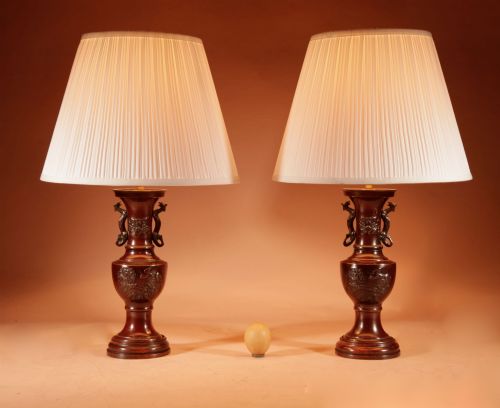
When you search for Japanese Meiji bronze, you encounter a diverse range of items spanning the nineteenth and early twentieth centuries, including sculptural okimono, vases, and table lamps. These creations emerge from periods such as the Meiji era and late Victorian times, reflecting distinct craftsmanship from Japan.
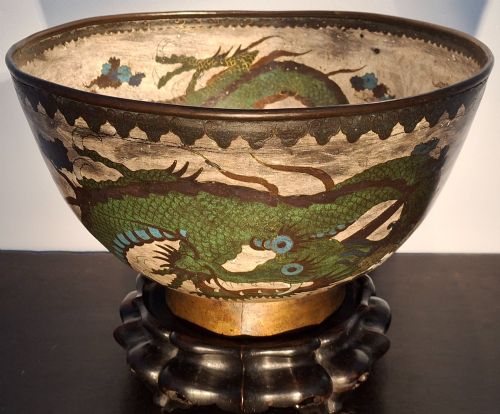
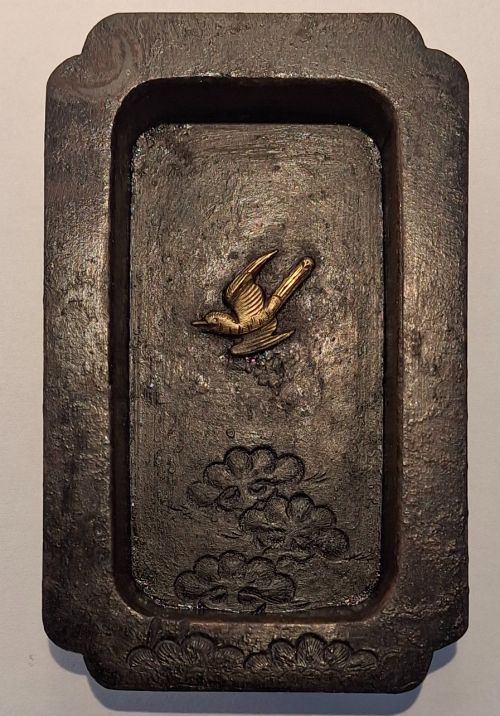
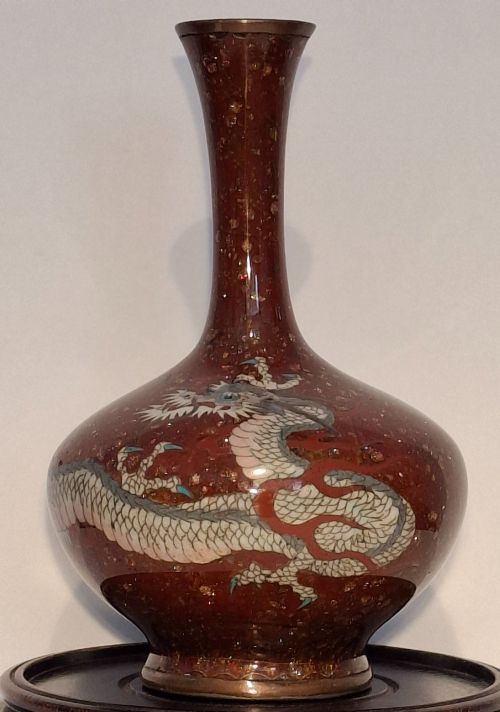
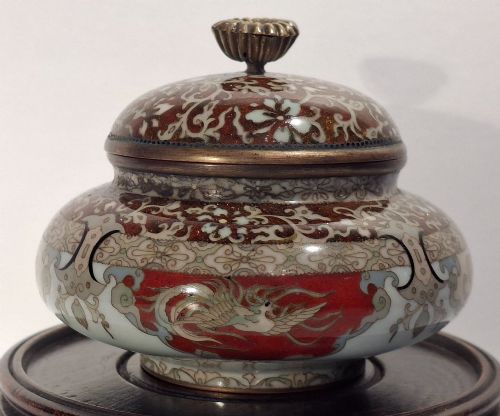
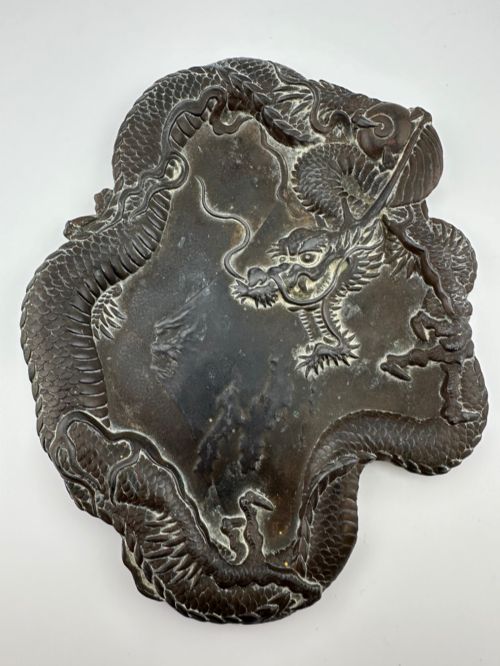
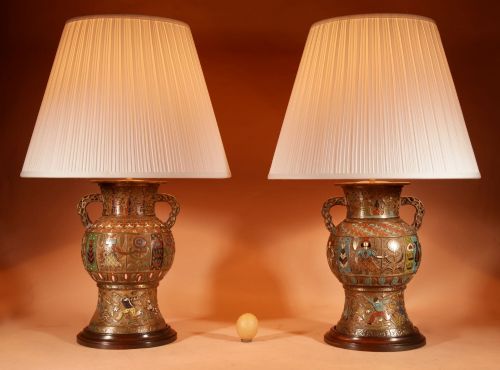
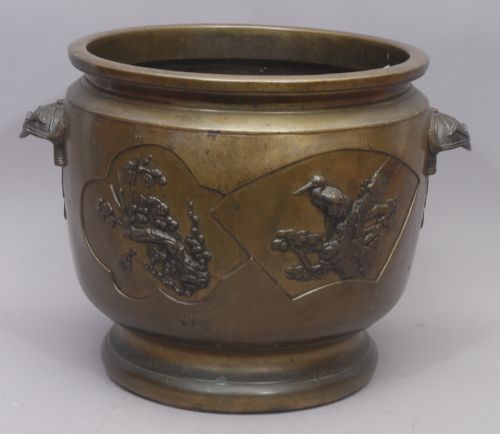
The objects on this page include patinated bronze figures of animals and figures, alongside functional items like jardinières, incense burners, and door pulls. Vases and decorative chargers featuring cloisonné enamel and mixed-metal inlay frequently appear among the listings.
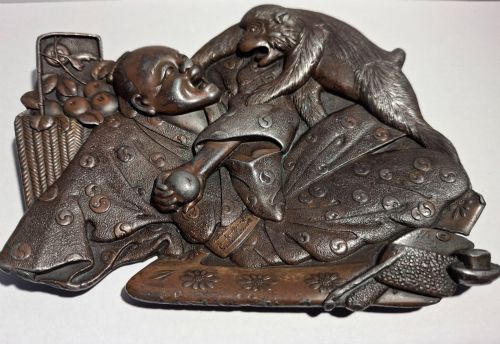
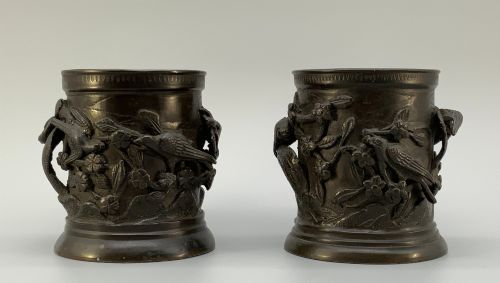
Sculptural forms often depict subjects such as birds, hawks, monkeys, elephants, and human figures engaged in daily tasks. Buyers frequently meet patinated bronze and brass works alongside copper and enamel combinations originating from the Meiji period.
How they were made
Makers utilised bronze, brass, and copper as foundational metals, often applying dark patination to create depth and contrast on the surfaces. Mixed-metal inlay techniques integrated silver, gold, and shakudo highlights into the primary bronze body.
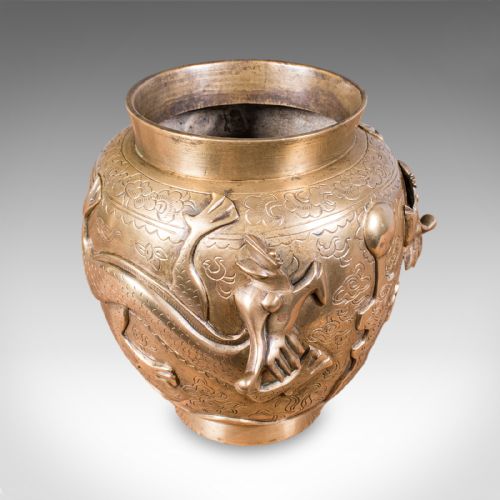
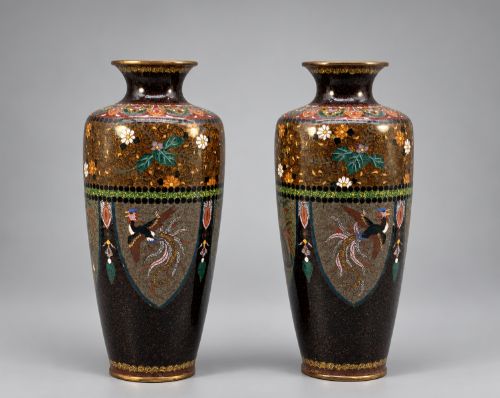
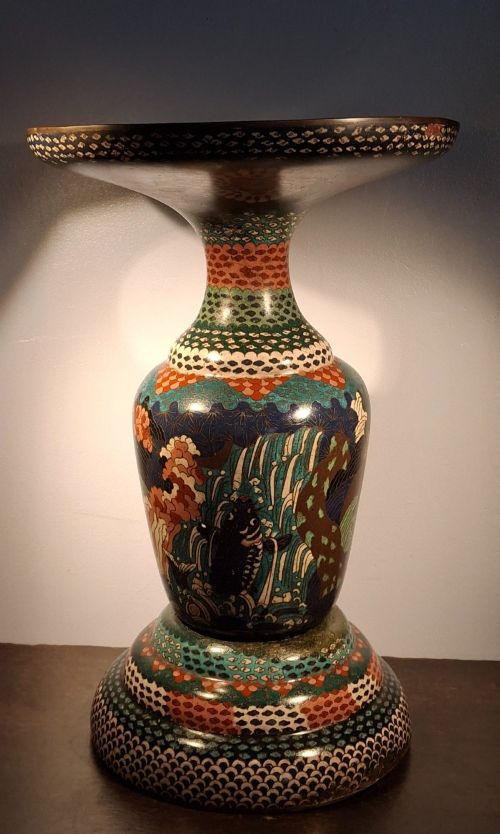
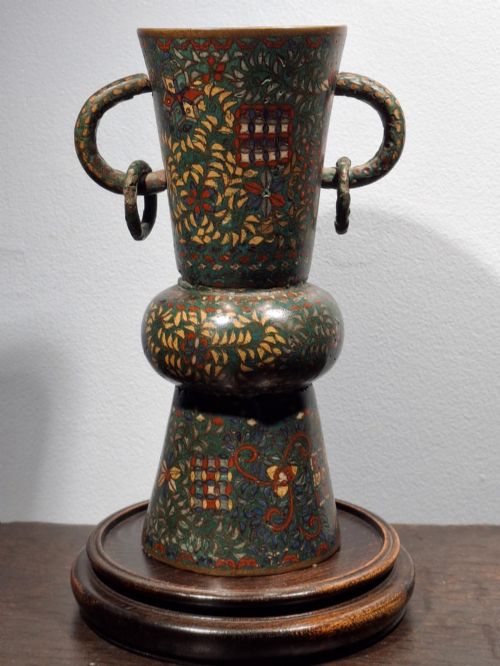
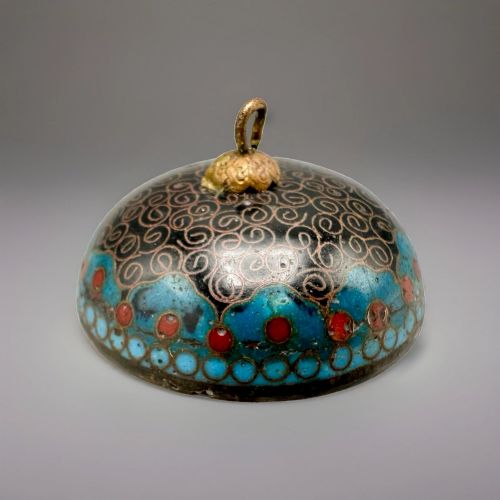
Cloisonné enamel work involved soldering thin metal wires to form cells on a metal base, which were subsequently filled with coloured enamel pastes and fired. Takazōgan appliqué methods added dimensional metallic details directly onto the surface of vases, trays, and ashtrays.
Naturalistic elements like ivory and diamond eyes were occasionally incorporated into animal figures, while wooden bases and fabric components completed larger sculptural groups and table lamps.
Listings feature 19th Century, 1900, 1890, 1910, 1920, 1870, Victorian, and 1880 periods.
What varies in quality
The refinement of the surface detail and the precision of the mixed-metal inlay distinguish exceptional works from standard production. Artisans who achieved subtle gradations in patination and flawless cloisonné enamel cells created pieces of superior visual and tactile depth.
Anatomical accuracy and dynamic posture in figurative okimono, such as birds, elephants, and human subjects, indicate the sculptor's mastery. Complex compositions involving multiple interacting figures or integrated naturalistic bases demonstrate higher levels of workshop expertise.
Tsukamoto Hikokichi·KANASAWA·Jomi Eisuke·Shosai
The Japanese Meiji Bronze Glossary
- Meiji Period
- The era in Japanese history spanning from 1868 to 1912, characterised by rapid modernisation and exceptional metalwork. This period produced the vast majority of patinated bronzes and cloisonné enamels found on this page.
- Okimono
- A Japanese ornamental statue or display object intended for interior decoration. These standalone sculptures frequently depict animals, mythical figures, or everyday rural scenes.
- Cloisonne Enamel
- A technique where fine metal wires are applied to a metal surface to create compartments that hold vitreous enamel paste. Firing fuses the coloured glass powders into decorative patterns.
- Shakudo
- A Japanese billot alloy of copper and a small amount of gold, treated to achieve a dark purple-black patina. It was frequently used for contrasting inlays and decorative details on bronze items.
- Koro
- A traditional Japanese incense burner, often supported by legs and fitted with a pierced lid to allow scented smoke to escape. They appear in bronze and cloisonné enamel forms.
- Hikite
- A recessed door pull handle found on traditional sliding doors in Japanese architecture. These metal fittings display intricate decorative casting.
Japanese Meiji Bronze: Frequently Asked Questions
How do I identify a Meiji period bronze?
Meiji period bronzes are generally identified by their distinctive dark patination, mixed-metal inlays, and subject matter reflecting late nineteenth-century Japanese aesthetics. Many pieces incorporate signature motifs like birds, dragons, and rural figures.
While some bear maker marks or attribution details, the overall style and casting techniques provide primary clues to their nineteenth-century origins.
How were Japanese bronze table lamps made?
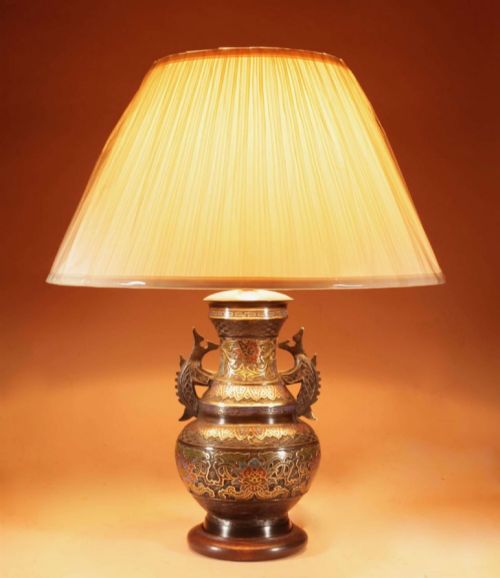
Many Japanese bronze table lamps on this page originated as decorative vases, urns, or sculptural vessels that were later adapted for electrical lighting. The original metal bodies feature patinated bronze, champlevé enamel, or cloisonné decoration.
These conversions combine traditional Japanese metalwork with functional nineteenth-century or later lighting hardware, often paired with fabric elements.
What is mixed-metal inlay on bronze?
Mixed-metal inlay involves embedding contrasting metals such as gold, silver, copper, and shakudo into the surface of a bronze object. Artisans carved recesses into the primary bronze and hammered the contrasting metals securely into place.
This technique created pictorial scenes of birds, flowers, and figures with varied colour tones across the metallic surface.