




Japanese Meiji Box
A japanese meiji box brings intricate lacquerwork and bronze into daily use, offering a tangible piece of late nineteenth-century craft.
Japanese Meiji Box
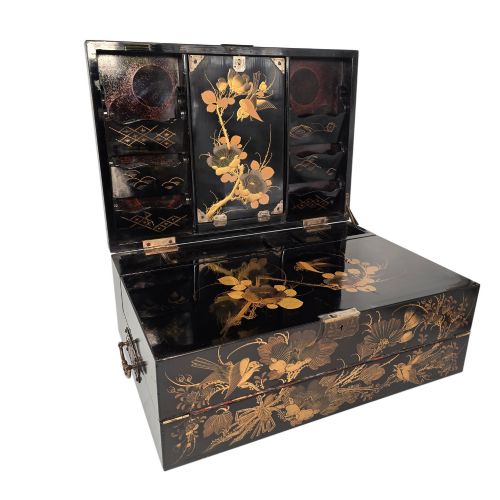
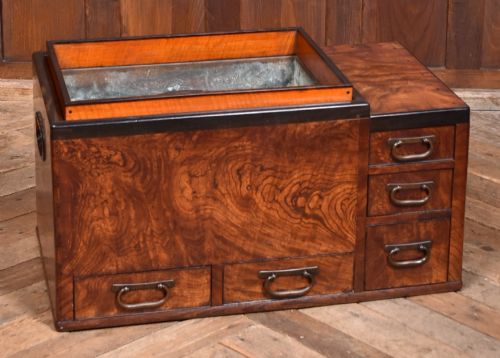
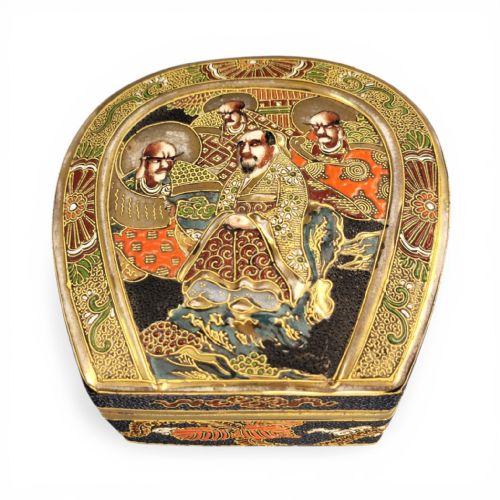
When you search for a japanese meiji box, you encounter a variety of forms designed for holding keepsakes, writing materials, or tobacco. The selection on this page spans 19th Century trinket boxes, writing boxes, and larger chests.
These items originate from Japan during the Meiji period and surrounding decades, sometimes carrying Victorian or Edo period stylistic influences. You will frequently find lacquer table cabinets, small sharing boxes, and bronze containers among the listed objects.
Materials and construction
Makers constructed these pieces primarily from wood and lacquer, frequently applying gold leaf, brass, and iron details. Surfaces often display carved black lacquer, cinnabar, or intricate metalwork.
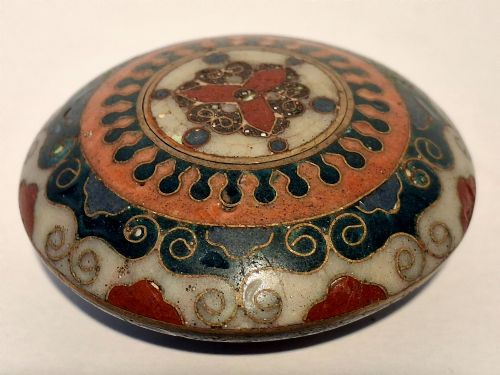
Artisans combined porcelain, cloisonne enamel, and mixed metals such as silver and bronze in the construction of lids and companion pieces. Storage boxes and cabinets utilise traditional joinery suited to each specific material.
Japanese Meiji Box Retail Price Guide 2026
Typical asking prices for japanese meiji box among the pieces listed under this phrase on Sellingantiques today, from the lower quarter to the upper quarter. They describe what is for sale here now, not the wider market.
Listings for this phrase include 19th Century wood and lacquer boxes alongside bronze, porcelain, and cloisonne enamel examples.
Assessing quality in lacquer and metalwork
Quality rests upon the precision of the lacquer finish and the depth of the metalwork on the lid. Pieces with finely worked mixed metal surfaces show a higher degree of artisan skill.
The complexity of the inlay and the condition of the wooden core determine the standing of each box. Well-preserved lacquer and clearly defined carvings distinguish superior examples from simpler utilitarian vessels.
Toshozan
The Japanese Meiji Box Glossary
- Kodansu
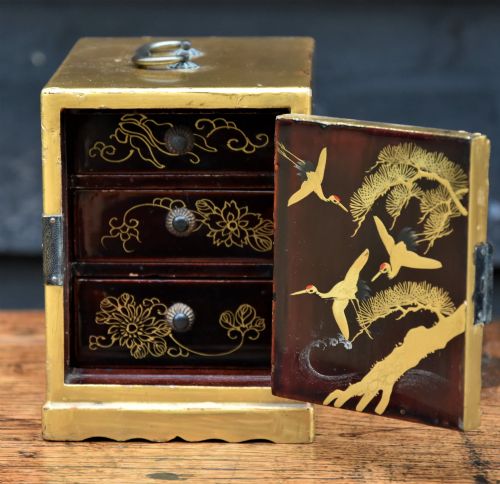
- A small Japanese table cabinet or miniature chest. These miniature pieces often feature multiple internal drawers for jewellery or documents.
- Inro
- A traditional Japanese case for carrying small objects, suspended from sashes. They comprise multiple stacked tiers.
- Cloisonne
- Enamelwork in which enamel is applied to compartments separated by soldered wire. This technique creates intricate coloured patterns on metal surfaces.
- Imari
- A style of Japanese porcelain decorated in underglaze blue and red, gold, and black. These plates and vessels often accompany storage boxes.
- Tsuikoku
- Carved black lacquer. This technique involves building up thick layers of black lacquer before carving designs into the surface.
Japanese Meiji Box: Frequently Asked Questions
What is a Japanese Meiji box used for?
These boxes served various practical functions in daily Japanese life, holding personal items like writing equipment, tobacco, or small valuables.
Today, collectors utilise them as decorative objects or desktop storage for keepsakes and jewellery.
How do I identify a Meiji period piece?
Meiji period items date from the late nineteenth to early twentieth century, reflecting the craftsmanship of that specific era.
Look for traditional materials such as lacquered wood, bronze, and cloisonne enamel combined with characteristic Japanese motifs.
Are these boxes made of solid wood?
Many boxes employ a wooden core that receives multiple layers of lacquer, sometimes finished with gold leaf or metal mounts.
Cabinet structures and larger chests utilise traditional timber construction suited to daily storage needs.
How should I care for lacquered boxes?
Keep lacquered surfaces away from direct sunlight and extreme temperature fluctuations to prevent the material from drying out.
Dust gently with a soft, dry cloth and avoid using chemical cleaning products on the delicate finishes.