

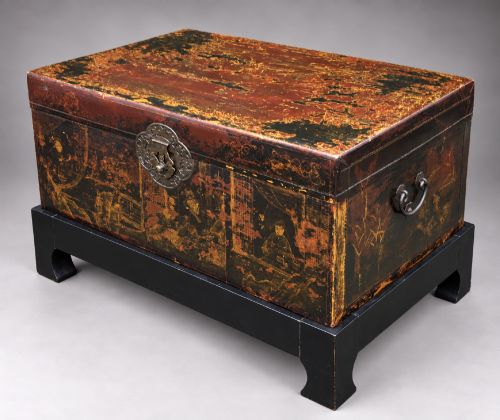


Japanese Lacquered Box
A Japanese lacquered box brings dense layers of rich tree sap and gilt detailing to a room, offering both historical depth and practical storage.
Japanese Lacquered Box
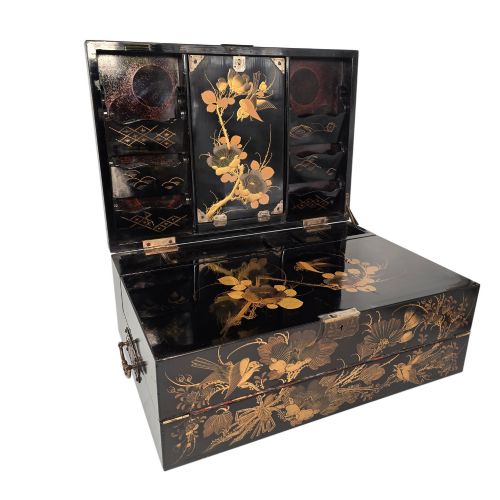
A japanese lacquered box encompasses a range of forms, from small keepsake and jewellery cases to larger table cabinets and writing boxes.
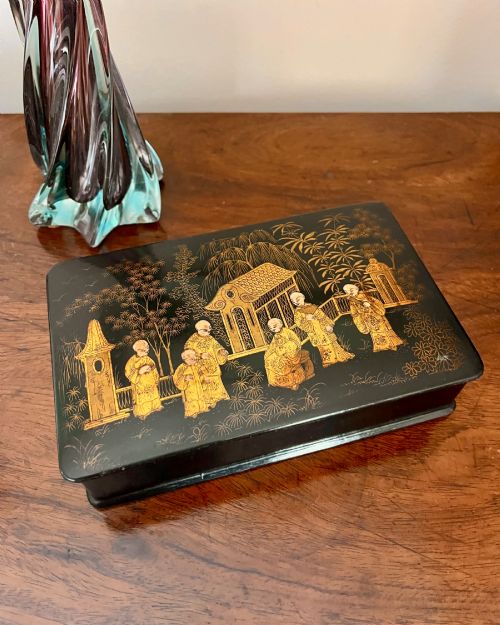
The pieces appearing on this page span the 19th century and the early 20th century, drawing on styles such as the Edo and Meiji periods alongside Chinoiserie interpretations.
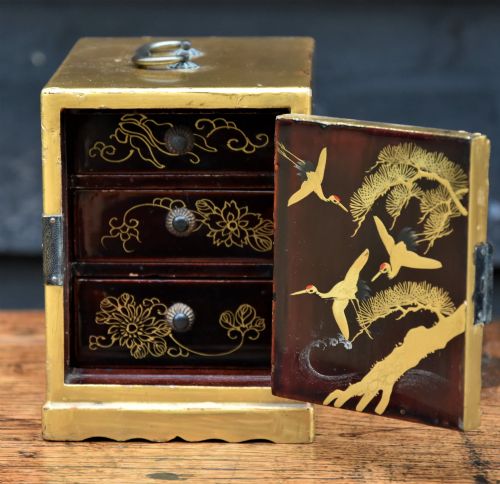
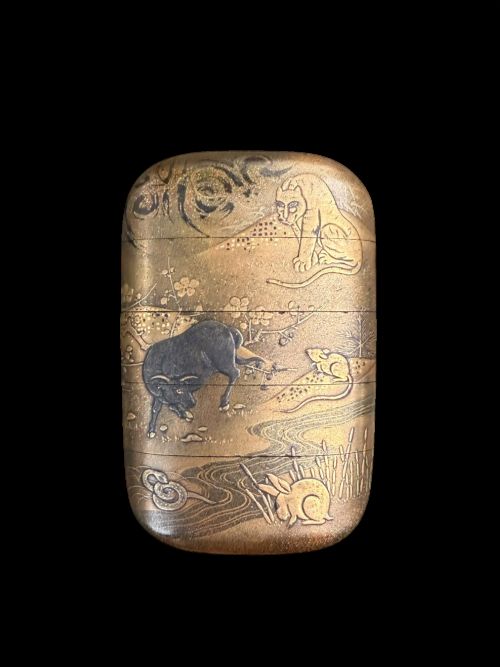
Buyers most frequently encounter smaller tabletop examples like the kodansu, alongside portable inro compartments and larger blanket boxes on stands.
Materials and construction
Makers built these vessels using wooden cores, frequently employing lightweight kiri wood before applying multiple successive coats of refined tree sap lacquer.
Surface decoration relied on applied gold leaf, gilt highlights, and intricate metal fittings in brass and iron to frame the dark lacquer panels.
Certain examples incorporate carved techniques such as tsuikoku and cinnabar effects, building up substantial depth in the hardened surface layer before detailing figures or landscapes.
Japanese Lacquered Box Retail Price Guide 2026
Typical asking prices for japanese lacquered box among the pieces listed under this phrase on Sellingantiques today, from the lower quarter to the upper quarter. They describe what is for sale here now, not the wider market.
Listings demonstrate a strong presence of 19th-century examples, complemented by early 20th-century items featuring brass and silk elements.
Assessing quality and execution
The division between standard items and superior examples rests on the depth and evenness of the lacquer finish, alongside the complexity of the underlying wood preparation.
Finer pieces display crisp, deliberate detailing in the gold leaf and metal fittings, whereas lesser work relies on simplified surface printing or worn gilding.
The integrity of the internal compartments, the snugness of fitted lids, and the preservation of delicate hinged doors dictate the standing of a cabinet or box.
The Japanese Lacquered Box Glossary
- Lacquer
- A durable finish derived from the processed sap of regional trees, applied in numerous thin coats and polished to a deep sheen. This material forms the protective and decorative skin of the vessel.
- Inro
- A traditional multi-tiered portable container historically suspended from a sash. These small stacked cases often feature detailed pictorial designs in gold and black.
- Kodansu
- A small tabletop cabinet fitted with multiple internal drawers and hinged doors. They served to store personal documents, seals, or valuables.
- Kiri Wood
- Paulownia timber valued for its light weight and dimensional stability. Makers utilised this wood as a stable foundation for lacquer applications.
- Tsuikoku
- Carved black lacquer built up in thick layers before being incised with figurative or landscape motifs. This technique creates tactile relief across the surface.
Japanese Lacquered Box: Frequently Asked Questions
What is a Japanese lacquered box used for?
These vessels served diverse storage roles in historical interiors, ranging from desktop organisation of writing materials to safeguarding jewellery, seals, and personal keepsakes.
Today, collectors utilise smaller boxes and miniature cabinets on modern surfaces to hold small daily items while displaying the decorative exterior finish.
How do I care for antique lacquer?
Protect the surface by keeping the box away from direct sunlight, sustained heat sources, and extreme humidity fluctuations that can cause timber movement beneath the lacquer.
Dust the exterior gently with a dry, soft microfibre cloth rather than applying liquid polishes, modern cleaning sprays, or abrasive materials.
How do I distinguish Edo from Meiji pieces?
Edo period works often reflect traditional aesthetic codes with restraint in narrative scenes, while Meiji pieces frequently exhibit denser ornamentation and greater interaction with Western design influences.
Examining the metal mounts, interior linings, and the specific rendering of landscape figures helps place an object within its historical production window.