


Japanese Lacquer Box
When you search for a Japanese lacquer box, you are looking at centuries of painstaking craftsmanship expressed through deep gloss, gold leaf, and intricate surface decoration.
Japanese Lacquer Box
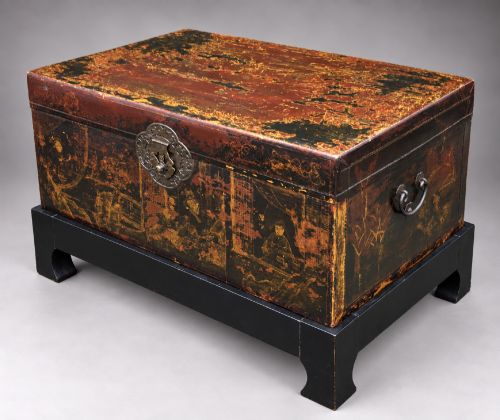
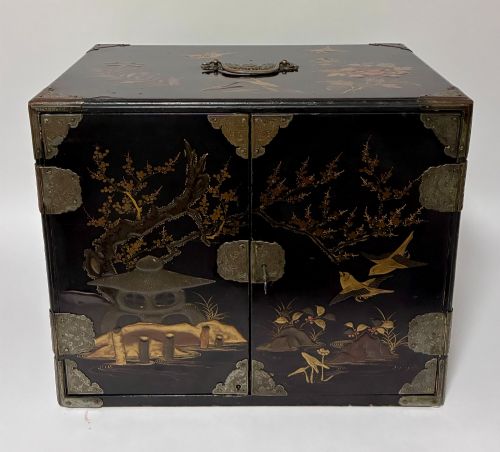
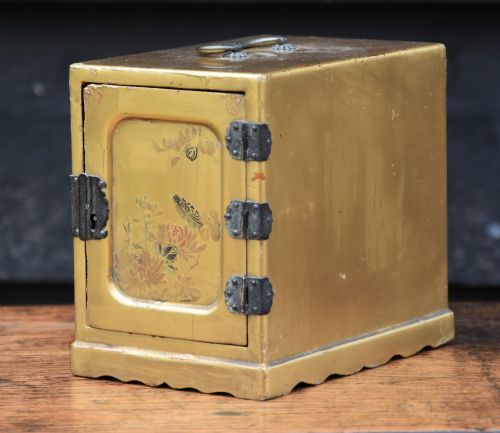
A Japanese lacquer box encompasses a wide variety of forms designed for specific domestic and ceremonial uses, ranging from tiny keepsake cases to large storage chests. Table cabinets, writing boxes, and inro appear frequently alongside blanket chests and jewellery boxes.
The objects span multiple periods, with nineteenth-century Meiji examples and early twentieth-century Taisho pieces forming the backbone of the selection. Pieces from the Edo period occasionally emerge, showing deeper historical roots.
Forms such as the fubako document box and the suzuribako writing box demonstrate the traditional utility behind the decorative exterior. These containers were built to house letters, writing implements, and personal treasures.
How they were made
The primary structural material is wood, often overlaid with successive layers of natural tree sap lacquer to build a hard, impervious surface. Artisans integrated elements of gold leaf, gilt, metal, silk, brass, and iron to enrich the visual texture.
Decoration techniques include maki-e, where metallic powder is sprinkled onto wet lacquer, alongside inlaid mother-of-pearl and carved lacquer methods like tsuikoku. These processes required months of drying, polishing, and detailing by skilled craftspeople.
Listings feature diverse forms including inro, table cabinets, writing boxes, and blanket chests spanning the nineteenth and early twentieth centuries.
What varies in quality
Quality rests in the depth of the lacquer finish and the precision of the decorative motifs, such as hand-painted cranes, foliage, and samurai helmets. Superior examples show meticulous layering and flawless polishing without surface crazing or excessive wear.
The complexity of the interior fittings and the inclusion of matching trays or covers elevate a piece's standing. Maker attribution, particularly pieces associated with known workshops like Heian Zohiko, further distinguishes finer items from standard decorative wares.
Heian Zohiko·Nihonbashi Kuroeya
The Japanese Lacquer Box Glossary
- Inro
- A traditional multi-tiered case hung from a sash, used for carrying small items like medicines or seals. These portable containers often feature intricate lacquer and metalwork.
- Maki-e
- A technique where gold or silver powder is sprinkled onto wet lacquer using a fine bamboo tube or brush. This method creates raised or flat pictorial designs on the surface.
- Suzuribako
- A traditional writing box designed to house an inkstone, water dropper, and ink sticks. They frequently contain internal fitted trays specifically proportioned for calligraphy tools.
- Fubako
- A long, rectangular box traditionally utilised for carrying and storing rolled letters and documents. These pieces often feature matching covers and delicate surface decoration.
- Kodansu
- A small table cabinet featuring multiple internal drawers and compartments for storing valuables. They combine portable scale with elaborate exterior ornamentation.
Japanese Lacquer Box: Frequently Asked Questions
What were Japanese lacquer boxes used for?
These boxes served practical roles in daily life, housing letters, writing equipment, documents, and personal jewellery. Many were tailored for specific social rituals, such as holding incense or carrying medicinal herbs.
Over time, they evolved into decorative art objects as well as functional containers, prized by both domestic users and international collectors for their craftsmanship.
How do I care for a lacquer box?
Keep lacquer away from direct sunlight and extreme fluctuations in temperature or humidity, which can cause the wood substrate to move and the surface to crack. Dust gently with a soft, dry cloth without applying modern cleaning sprays.
Handling the piece with clean hands prevents oils from building up on the sensitive finish, preserving the depth of the lacquer over decades of display.
How can I tell the Meiji period pieces apart?
Meiji period items often display a high degree of pictorial naturalism, featuring detailed birds, flowers, and landscapes rendered in gold maki-e or mother-of-pearl inlay. The expansion of export markets during this era also led to varied forms aimed at Western tastes.
Examining the base and interior construction helps confirm the nineteenth-century origin, alongside traditional signatures or mon crests embedded within the design.
What is the difference between a bunko and a fubako?
A bunko is a deep document box with a lid that fits down over the sides, designed for storing flat papers and unbound manuscripts. They tend to be broader and deeper to accommodate substantial collections of letters.
A fubako is a narrower, more slender rectangular box specifically shaped to hold rolled documents or letters secured with cord. Both forms reflect the formal correspondence habits of historical Japanese households.