



Japanese Inlaid Bronze
Japanese inlaid bronze brings together master metalwork and contrasting metallic accents, offering intricate vases, dishes, and figures for your collection.
Japanese Inlaid Bronze
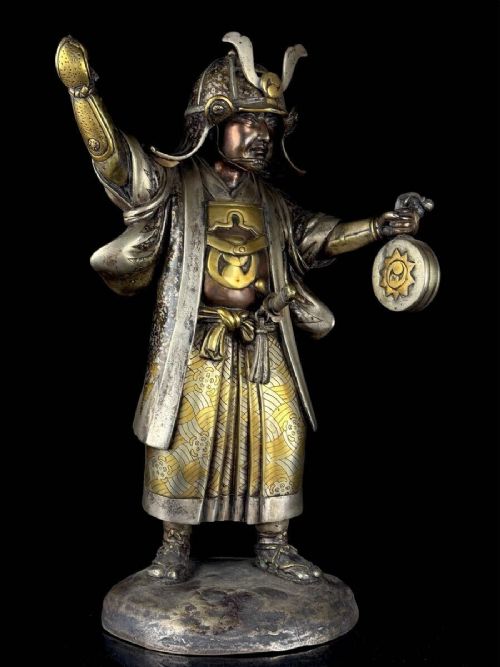
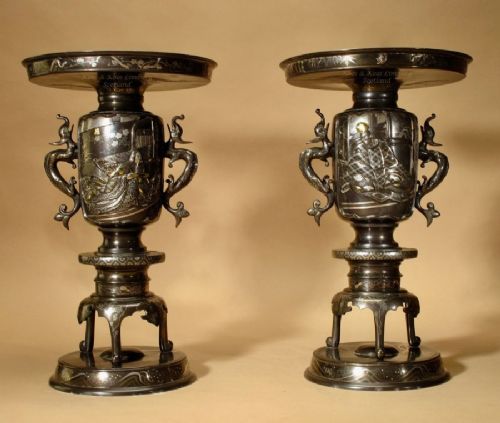
When you search for Japanese inlaid bronze, you encounter masterworks primarily spanning the Meiji period, alongside pieces from the late nineteenth and early twentieth centuries. These objects range from imposing vases and brush pots to decorative dishes, circular boxes, plaques, and small sculptures depicting figures and animals.
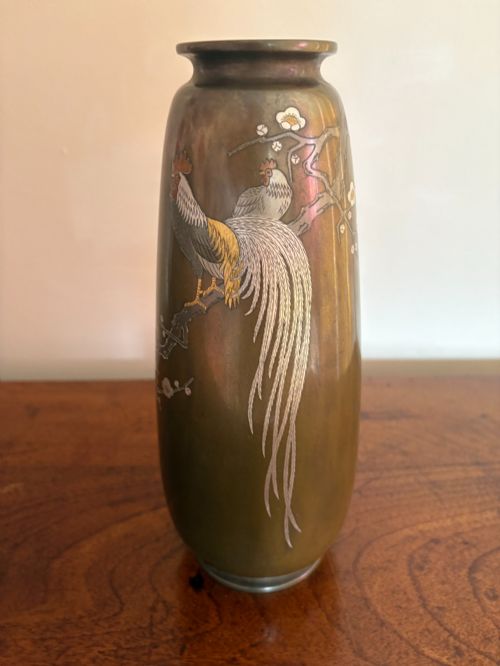
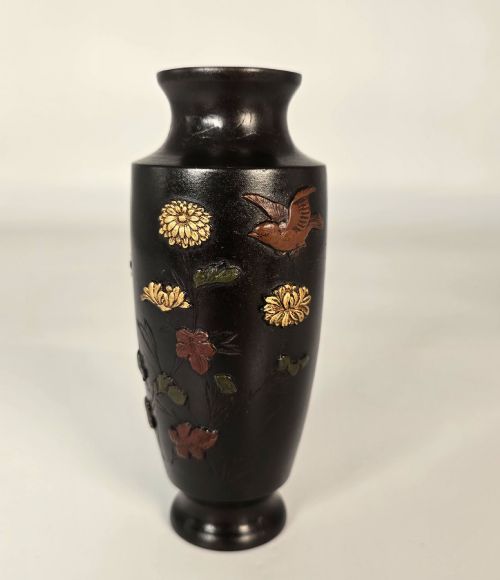
You are most likely to meet bronze and mixed-metal vases and vessels finished with meticulous surface decoration. The forms often feature elaborate depictions of deities, dragons, birds, and historical personages executed in contrasting metallic hues.
How they were made
Artisans utilised cast bronze, brass, and iron as a base, applying techniques of carving and recessing to receive contrasting metals. Gold, silver, and copper wire or foil were then hammered into the prepared grooves to build up pictorial details.
The use of mixed metals allowed makers to create nuanced tonal shifts across the surface of a single vessel or plaque. Specialists combined patination processes with precious metal overlays to achieve rich polychromatic effects.
Japanese Inlaid Bronze Retail Price Guide 2026
Typical asking prices for japanese inlaid bronze among the pieces listed under this phrase on Sellingantiques today, from the lower quarter to the upper quarter. They describe what is for sale here now, not the wider market.
Listings feature items from the Victorian, Edwardian, and Meiji periods, utilising bronze, silver, gold, copper, brass, and iron.
What varies in quality
Quality rests upon the precision of the metalwork and the complexity of the inlay composition. Finer pieces demonstrate exceptionally tight joins between the inlaid metals and the bronze ground, with no gaps or lifting along the metallic lines.
The artistic ambition of the subject and the depth of relief distinguish superior examples from standard production. Signed works by recognised makers often display greater sculptural refinement in details such as feathers, garments, and facial expressions.
KANASAWA·Unno Shomin·GENRYUSAI SEIYA
The Japanese Inlaid Bronze Glossary
- Inlay
- A decorative technique where materials are embedded into recesses created in a base metal surface. This method allows artisans to draw intricate patterns using gold, silver, and copper.
- Meiji Period
- The era in Japanese history lasting from 1868 to 1912, marked by immense technical achievement in decorative arts. Much of the finest metalwork available originates from this time.
- Mixed Metals
- The practice of combining different metallic alloys, such as bronze, brass, copper, and iron, within a single piece. This approach creates varied colouristic effects across the object.
- Okimono
- A Japanese ornamental figurine or decorative object designed for display on a shelf or tokonoma alcove. These sculptures frequently depict historical figures, animals, or mythical subjects.
Japanese Inlaid Bronze: Frequently Asked Questions
What is Japanese inlaid bronze?
Japanese inlaid bronze refers to metalwork objects made during the late nineteenth and early twentieth centuries that incorporate contrasting metals into a bronze ground. Artisans hammered gold, silver, and copper into carved recesses to produce detailed pictorial scenes and decorative patterns.
These pieces include vases, dishes, brush pots, and small sculptures. They showcase the technical skill of Japanese metalworkers from the Meiji period and subsequent decades.
How do I identify a Meiji period piece?
Meiji period metalwork typically dates between 1868 and 1912 and is characterised by complex mixed-metal decoration. Look for signatures, precise inlay work, and traditional motifs such as dragons, birds, and historical figures.
Many examples combine bronze with silver, gold, and copper to create rich polychromatic surfaces. The weight and finish of the bronze often reflect the high standards of nineteenth-century Japanese workshops.
Where were these bronze items displayed?
These decorative objects were traditionally created for both domestic display in Japanese interiors and export to Western markets. Vases held floral arrangements, while brush pots and boxes served functional roles on desks and tables.
Sculptures and plaques were placed in reception rooms and display alcoves to showcase the owner's taste and appreciation for fine craftsmanship.
How should I care for mixed-metal bronze?
Care for mixed-metal bronze involves keeping the objects away from direct moisture and handling them gently by their bases rather than delicate protruding parts. Dust the surface regularly with a soft, dry cloth.
Avoid using metal polishes or harsh cleaning agents, as these can strip the intentional patination and damage the delicate gold and silver inlays.