


Japanese Floral Jars
These Japanese floral jars combine painted porcelain and cloisonné enamel, bringing intricate botanical motifs and vibrant colours into domestic interiors.
Japanese Floral Jars
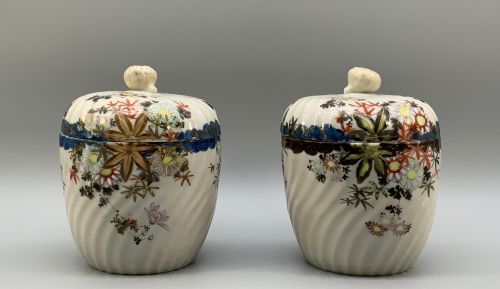
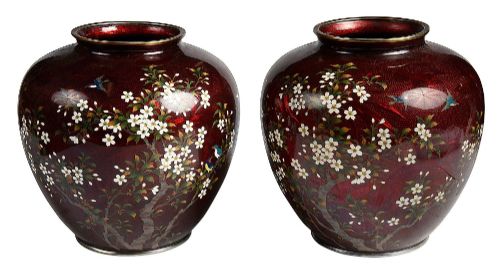
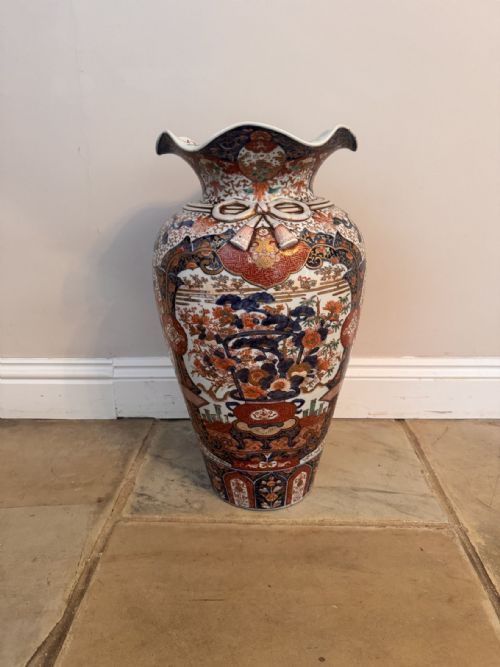
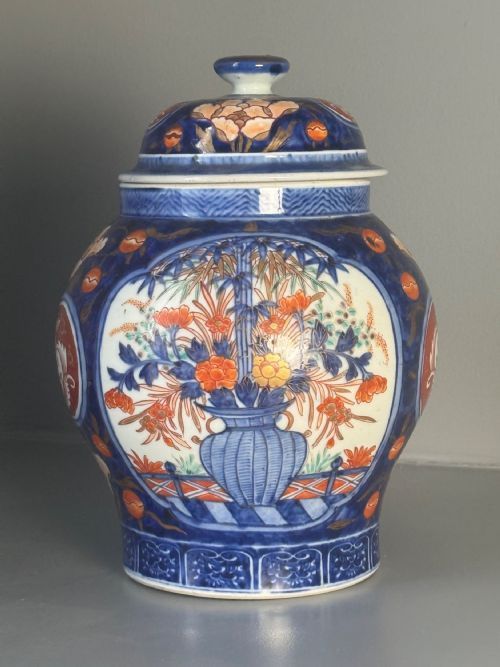
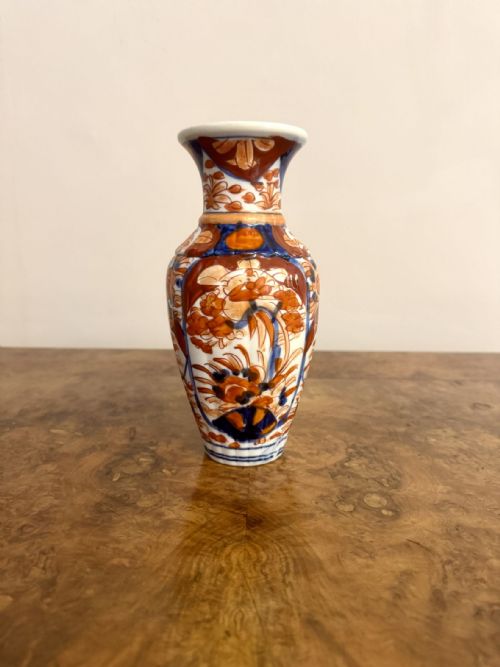
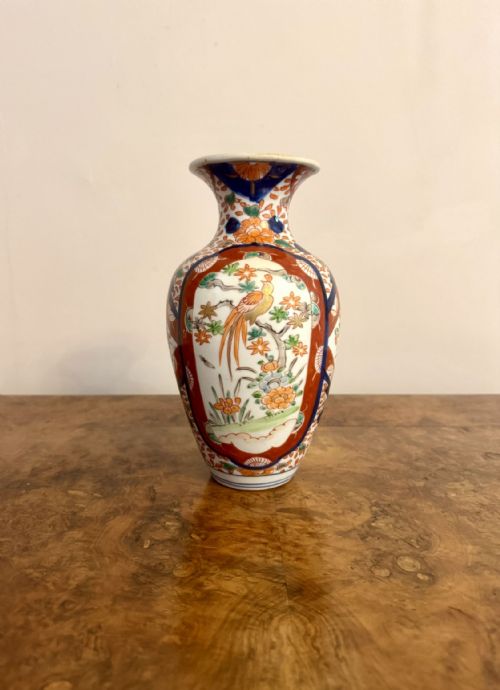
Japanese floral jars encompass lidded ginger jars, covered pots, and tall vases decorated with botanical designs. You will frequently encounter Imari porcelain wares alongside Meiji period cloisonné vessels on this page.
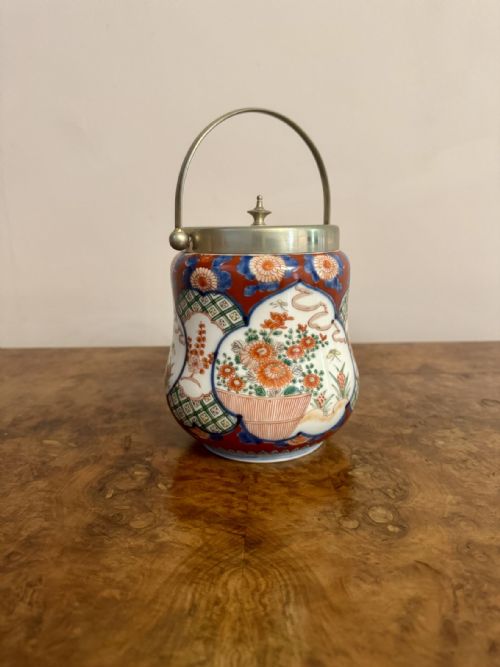
The forms range from double gourd vases to large floor standing vessels and biscuit barrels. Most examples originate from the nineteenth century, spanning Edo, Meiji, and Edwardian periods.
Makers produced these containers primarily for decorative display and storage, utilising traditional pottery and metalworking techniques. A buyer finds both matched pairs and single statement pieces among the selection.
How they were made
Potters shaped porcelain and earthenware bodies before applying cobalt blue, iron red, and gold leaf pigments. Kiln firing fixed the underglaze and overglaze decorations onto the ceramic surface.
Metalworkers formed copper and bronze vessels, soldering thin silver or brass wire onto the exterior to create cellular compartments. Artisans filled these compartments with coloured enamel paste before firing and polishing the metal to a smooth finish.
Some biscuit barrels found here originally served as Victorian biscuit containers before crossing paths with Japanese Imari design.
What varies in quality
The precision of the brushwork and the complexity of the palette dictate the distinction in porcelain pieces. Finer Imari jars display crisp cobalt details harmonised with rich gilding across the ceramic body.
Cloisonné quality depends on the fineness of the wirework and the depth of the enamel colour. Tighter wire grids and flawless translucent glazes separate superior metal vessels from standard production.
Ando Jubei·Kinkozan
The Japanese Floral Jars Glossary
- Imari
- A style of Japanese porcelain decorated in underglaze blue, iron red, and gilt. These pieces frequently feature intricate floral and panel designs.
- Cloisonné
- A metalwork technique where flat wires form cells on a copper base, which are then filled with enamel. Artisans fire and polish the surface until smooth.
- Meiji Period
- The era of Japanese history lasting from 1868 to 1912. Wares from this time often show advanced technical mastery in both metal and ceramic arts.
- Ginger Jar
- A high-shouldered ceramic container with a domed lid. Originally made for storing spices, collectors prize them for their balanced proportions.
- Gourd Vase
- A vessel shaped like a double gourd, featuring a pinched waist dividing a smaller upper bulb from a larger lower bulb. Potters rendered this organic silhouette in both porcelain and cloisonné.
Japanese Floral Jars: Frequently Asked Questions
What is a Japanese floral jar used for?
These vessels served originally for storing dried goods, spices, or ginger in traditional households. Today, collectors utilise them purely for interior decoration and display.
Their robust porcelain and metal construction makes them suitable for placement on mantels, tables, or floor stands. Lidded versions offer enclosed storage while open vases hold floral arrangements.
How do I identify a Meiji period jar?
Meiji period pieces date between 1868 and 1912, often carrying distinctive artisan signatures or workshop marks on the base. The period is renowned for exceptionally fine cloisonné wirework and Satsuma earthenware.
Examine the surface for technical refinement, such as ultra-thin silver wires or detailed enamel shading. Nineteenth-century documentation and stylistic markers help confirm this era of production.
How do I care for antique ceramic and metal jars?
Dust porcelain and cloisonné surfaces gently with a soft, dry cloth to prevent accumulation. Avoid using chemical cleaners or abrasive materials that could damage the gold leaf or enamel.
Keep the vessels away from direct sunlight and extreme temperature fluctuations to protect the glaze and metalwork. Lift lidded jars carefully by the body rather than the lid rim.