


Japanese Enamel Art
Japanese enamel art gathers the intricate metalwork and ceramic glazes created across the Meiji, Edo, and Showa periods.
Japanese Enamel Art
Japanese enamel art encompasses a diverse range of decorative objects, from large chargers and vases to small netsuke and figurines. Buyers searching for japanese enamel art will most frequently encounter nineteenth-century Meiji period pieces featuring meticulous metal wirework and vibrant coloured glazes.
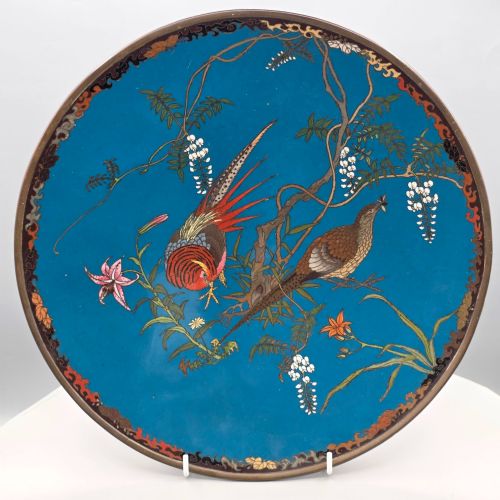
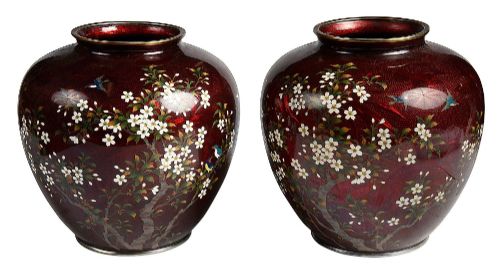
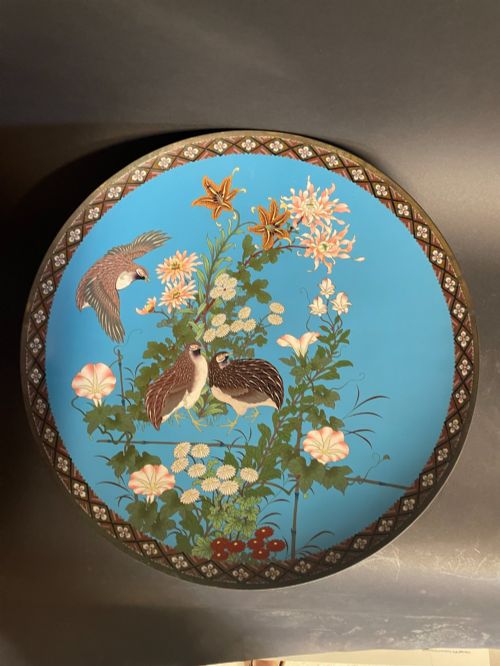
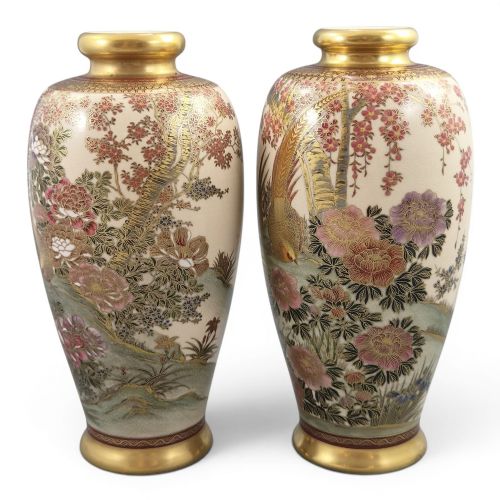
The selection ranges from chargers adorned with birds and auspicious symbols to vases and lidded gourd pots. These items originate from distinct cultural eras, including the Edo and Showa periods, reflecting shifts in craftsmanship and aesthetic focus over time.
How they were made
Artisans applied coloured enamel pastes within compartments formed by thin silver or copper wires soldered onto metal bases of copper, brass, or bronze. Techniques such as ginbari and basse-taille involved applying translucent enamels over textured or foiled backgrounds to create depth.
Certain wares utilised earthenware or porcelain bodies, including Totai Shippo porcelain plates with cloisonne tree bark effects and Kutani ceramics. Wood and bronze also served as structural elements for specialised items like champleve enamel kagamibuta netsuke.
Listings feature items incorporating copper, brass, gold leaf, porcelain, and wood alongside traditional enamel.
What varies in quality
The precision of the wire placement and the complexity of the design dictate the distinction between standard and superior pieces. Finer works display exact symmetry, intricate detail in subjects like dragons and koi, and clear signatures from renowned workshops.
The clarity of the enamel and the absence of cloudiness in transparent glazes distinguish masterworks from simpler productions. The integration of specialised techniques like ginbari red enamel and silver wire further elevates the standing of an object.
Manpei Kobe·Ando Jubei·Tamura Yukio·Shuzan Yasuda·Kinkozan
The Japanese Enamel Art Glossary
- Cloisonne
- A technique where metal wires are soldered to a metal body to create compartments for enamel paste. These wires define the outlines of the decorative motifs before firing.
- Ginbari
- A method involving a textured metal foil applied beneath translucent enamel to create a patterned reflective background. This technique produces a rich, textured depth within the coloured surface.
- Plique-a-jour
- An enamelling technique where the enamel is fired in open cells without a backing metal, creating a stained-glass effect. Light passes directly through the translucent coloured material.
- Satsuma
- An earthenware type with a pale, ivory-coloured crazed glaze, typically decorated with polychrome enamels and gold leaf. These pieces often depict figures and elaborate floral patterns.
Japanese Enamel Art: Frequently Asked Questions
How do I identify Meiji period pieces?
Meiji period items typically display exceptional technical precision in silver wire cloisonne and feature naturalistic motifs such as birds, flowers, and koi. These works often bear maker marks or signatures from prominent late nineteenth-century workshops.
Examining the base and the weight of the copper or brass body helps confirm the manufacturing period. The complexity of the enamel colours provides further clues to the date of creation.
What is the difference between cloisonne and champleve?
Cloisonne relies on soldered metal wires applied to the surface of a base object to form the compartments for enamel. This creates a raised network of thin lines outlining the pattern.
Champleve involves carving or recessing troughs directly into the metal or wood base to hold the enamel paste. The surrounding metal forms the permanent borders of the design.
How should I care for enamel art?
Enamel surfaces require gentle dusting with a soft, dry cloth to prevent accumulation of particles. Avoid using harsh chemical cleaners or abrasive materials that could scratch the glaze or damage the metal wires.
Display the pieces away from direct sunlight and extreme temperature fluctuations to protect the underlying materials. Proper handling prevents stress on the delicate metal and ceramic structures.
What are auspicious symbols in these designs?
Auspicious symbols frequently include creatures like dragons, koi, and specific birds that carry traditional meanings of longevity, strength, and good fortune. These motifs reflect cultural values integrated directly into the decorative scheme.
Spotting these elements helps collectors understand the narrative context of a charger, plate, or vase. They often serve as key indicators of high-grade Meiji period artistry.