







Japanese Dragon Vessel
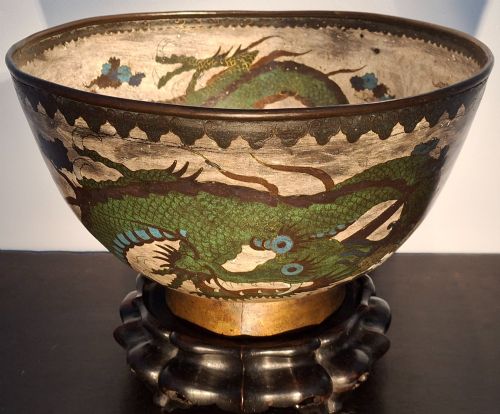
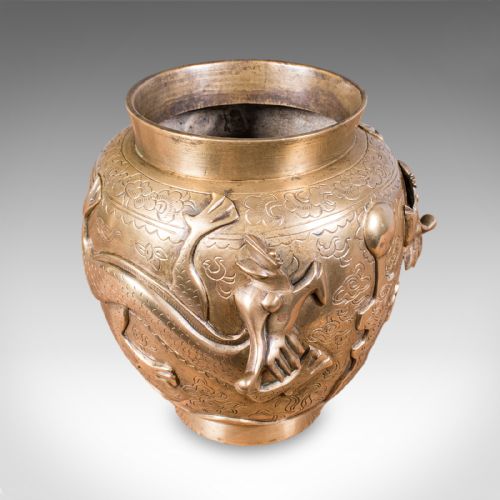
A Japanese dragon vessel brings fierce mythological presence into a room through meticulously rendered scales and coiled bodies cast in bronze or shaped in porcelain.
Japanese Dragon Vessel
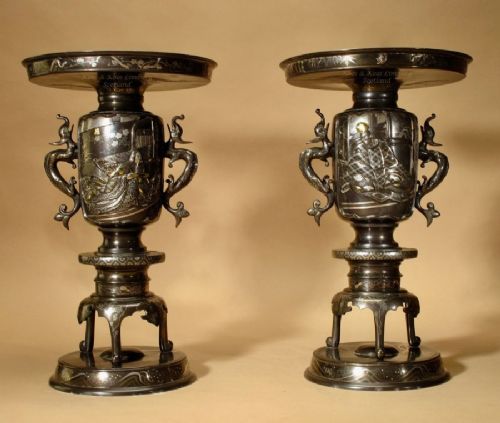
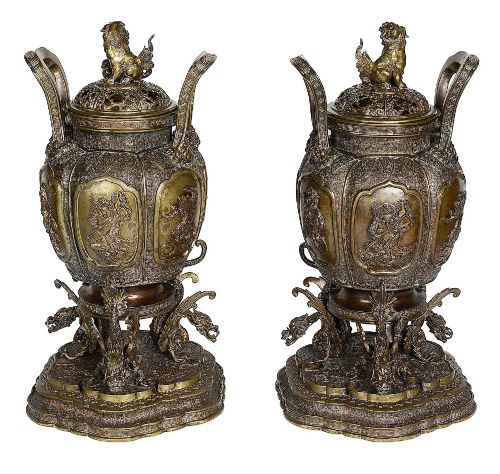
When you search for a Japanese dragon vessel, you encounter a range of forms spanning baluster vases, lidded urns, incense burners, and garden planters. These pieces originate predominantly from the late nineteenth century and the Meiji period, reflecting a peak era of metalwork and ceramic artistry.
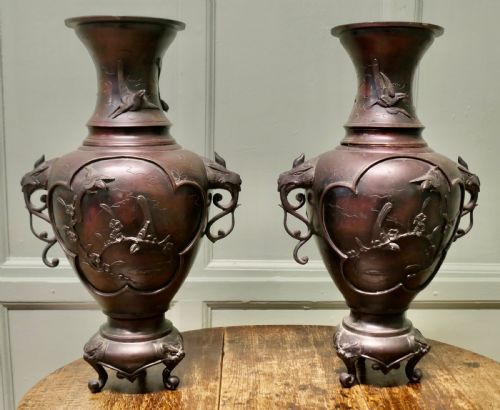
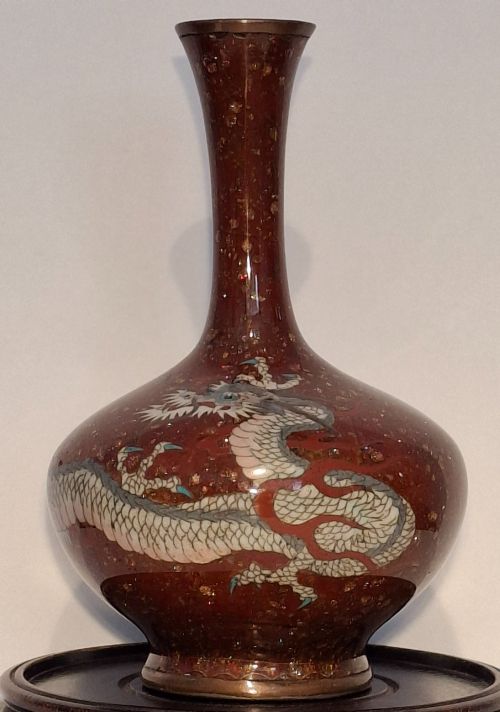
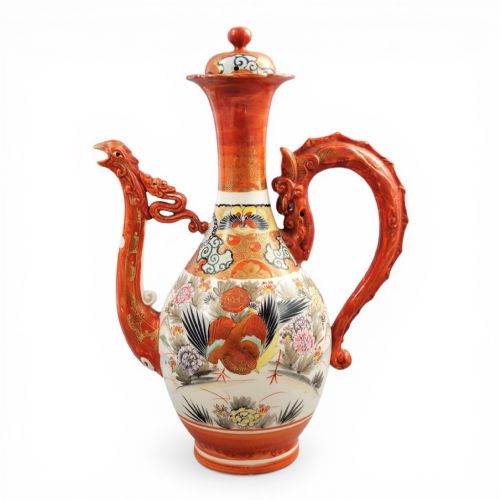
You are most likely to meet heavy bronze vases and elaborate Satsuma ceramic pieces bearing relief-moulded or painted dragons among clouds and waves. The selection includes smaller tabletop ewers alongside monumental temple water dispensers and garden urns.
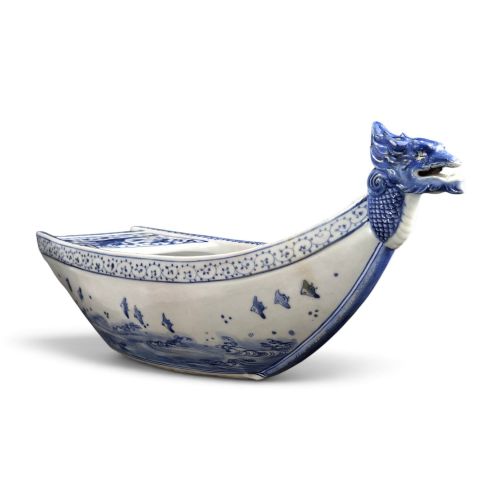
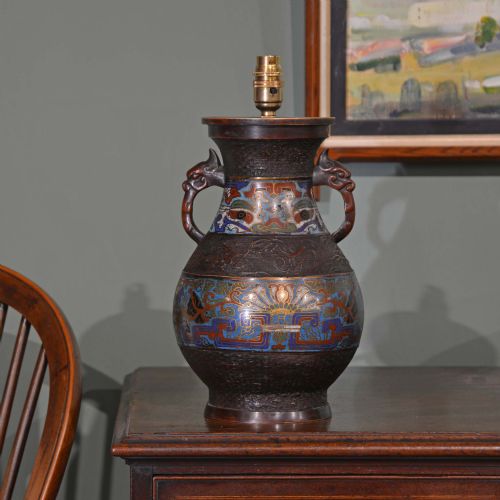
Makers utilised various traditional shapes, from archaistic bronze hu vessels to hexagonal ceramic containers and ship-form vessels. Each object serves as a display piece, integrating mythical iconography into functional vessels intended for ornamentation or ritual use.
Materials and construction
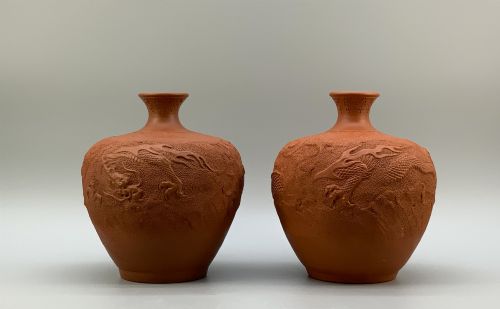
Ceramic examples employ earthenware and porcelain bodies, including Satsuma, Kutani, Hirado, Imari, and Tokoname clays. Potters hand-painted surfaces with dense pictorial scenes or built up three-dimensional relief clay dragons, finishing the works with rich glazes and enamel details.
Japanese Dragon Vessel Retail Price Guide 2026
Typical asking prices for japanese dragon vessel among the pieces listed under this phrase on Sellingantiques today, from the lower quarter to the upper quarter. They describe what is for sale here now, not the wider market.
Several dragon vessels weigh nearly three kilograms, ensuring your mythical beast stays firmly planted on the sideboard.
Assessing quality in dragon vessels
Quality rests in the crispness of the modelling and the precision of the surface decoration, whether in the sharp chiselling of bronze scales or the micro-painting of ceramic arhats and figures. Superior metalwork displays seamless joins, balanced patination, and deeply undercut relief work that gives the dragon a tangible sense of movement.
Heavier bronze pieces and substantial porcelain forms often indicate higher ambition in the workshop, supported by signed maker marks or attribution to recognised schools such as Takaoka. The integration of auxiliary materials, such as precise champlevé enamel panels or integrated cloisonné wirework, elevates the standard of the piece.
Hotoda·Fukagawa·Mikawachi Hirado·Tokoname
The Japanese Dragon Vessel Glossary
- Meiji Period
- The era in Japanese history spanning from 1868 to 1912, characterised by opening trade with the West and exceptional mastery in decorative arts. Pieces from this time frequently exhibit high technical refinement.
- Satsuma
- A type of Japanese earthenware featuring an ivory-coloured, crackled glaze decorated with polychrome enamels and gilding. These ceramics often depict crowded figural scenes alongside coiled dragons.
- Usubata
- A distinct form of Japanese bronze vase featuring a wide, shallow basin top supported on a slender stem and broad base. These vessels traditionally hold ikebana flower arrangements.
- Champlevé
- An enamelling technique where troughs or cells are hollowed out in the metal surface and filled with vitreous enamel paste before firing. This method creates colourful geometric or pictorial patterns alongside exposed metal lines.
- Kutani
- Japanese porcelain recognised for bold, colourful overglaze enamels dominated by reds, greens, and golds. The style often covers entire vessel surfaces with intricate narrative and naturalistic motifs.
Japanese Dragon Vessel: Frequently Asked Questions
What is a Japanese dragon vessel used for?
These vessels functioned historically as ornamental display pieces, incense burners, ritual water containers, or structural garden urns within temples and domestic interiors.
Today, collectors place them as focal decorative objects on tables, mantels, or within interior displays to appreciate their sculptural form and historical craftsmanship.
How can I tell the period of a bronze piece?
Dating relies on surface patination, casting weight, decorative style, and whether the piece bears traditional workshop signatures or school associations.
Late nineteenth-century Meiji examples typically exhibit heavier bronze gauges, deeper relief casting, and sophisticated patination compared to later twentieth-century productions.
What is the difference between Satsuma and Kutani ceramics?
Satsuma ware is characterised by a distinctive cream-coloured earthenware body covered in a fine crackle glaze, usually painted with dense enamel figures and gold highlights.
Kutani works are porcelain-based, featuring vibrant overglaze enamel palettes that often utilise deep reds and greens across the entire vessel surface.
How do I care for antique bronze and enamel?
Bronze requires minimal intervention, needing only gentle dusting with a soft, dry cloth to preserve the natural historic patina accumulated over decades.
Enamel and ceramic surfaces should similarly avoid harsh cleaning agents or liquid polishes, which can damage fragile overglaze paints and delicate metal inlays.