







Japanese Decorative Porcelain Vessel
These Japanese decorative porcelain vessel items combine intricate enamels, gold leaf and cobalt glaze across Meiji period and Victorian forms.
Japanese Decorative Porcelain Vessel
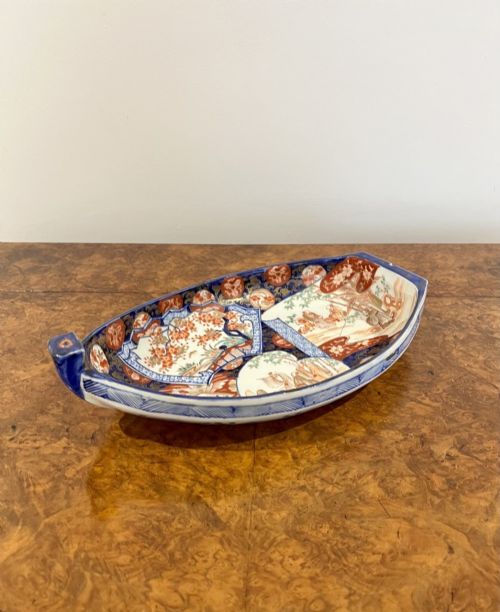
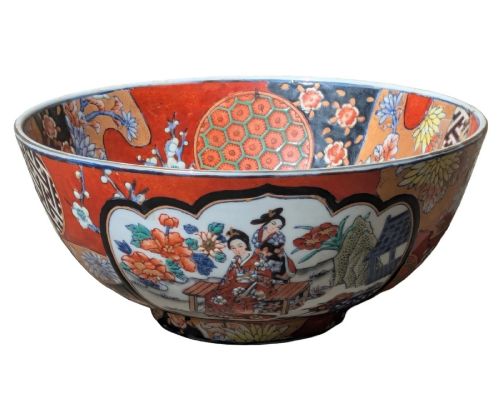
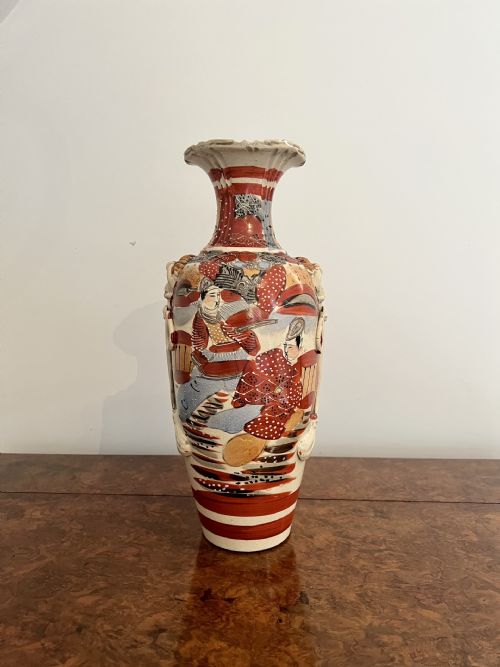
A Japanese decorative porcelain vessel represents a diverse category of ceramic works spanning the 19th century, Meiji period, and early 20th century. Buyers encounter forms ranging from baluster vases and globular vases to boat-shaped dishes, lidded jars, koro incense burners, and decorative bowls.
The pieces originating from this tradition reflect distinct regional styles and aesthetic movements. Japanese Imari wares, Satsuma ceramic baluster vases, Kutani vases, and Fukagawa porcelain define the primary visual vocabulary available to collectors.
Makers and artists working during the late Victorian era and Meiji period produced both utilitarian display items and elaborate decorative objects. The selection includes individual miniature vases alongside substantial pairs and sets.
How they were made
Potters utilised ceramic and porcelain bases, shaping clay into distinct forms such as hexagonal bodies, scallop-edged bowls, and lidded jars. Glazes, cobalt glaze, and enamel provided the foundational colour palette for surface ornamentation.
Artisans applied gold leaf and lacquer over-paint to enhance intricate surface patterns, whilst specialised techniques like Totai Shippo incorporated cloisonne tree bark effects directly onto ceramic and earthenware structures.
Japanese Decorative Porcelain Vessel Retail Price Guide 2026
Typical asking prices for japanese decorative porcelain vessel among the pieces listed under this phrase on Sellingantiques today, from the lower quarter to the upper quarter. They describe what is for sale here now, not the wider market.
Some vases secretly double as conversation starters about tree bark textures rendered entirely in cloisonne enamel.
What varies in quality
The execution of fine painted details and the precision of enamel work separate exceptional examples from standard production pieces. Signed works by noted artists demonstrate superior brushwork and compositional control.
The application of gold leaf and the integration of decorative elements like lacquer over-paint or Shimazu crests dictate the refinement of a piece. Structural integrity across complex forms such as koro incense burners and lidded vases also influences overall character.
Kozan·Chosei·Kinkozan·Kizan·Fukagawa
The Japanese Decorative Porcelain Vessel Glossary
- Imari
- A traditional Japanese style of porcelain characterised by a palette of cobalt blue, iron red, and gold, frequently seen on bowls and vases.
- Satsuma
- A type of earthenware with a crackle-glaze finish, typically decorated with elaborate polychrome enamels and gilding depicting figures and natural scenes.
- Kutani
- A style of Japanese pottery and porcelain known for bold designs and vibrant colour schemes, often featuring greens, blues, yellows, and reds.
- Totai Shippo
- A specialised technique where cloisonne enamel designs are applied directly over a ceramic or porcelain body rather than metal.
Japanese Decorative Porcelain Vessel: Frequently Asked Questions
How do I identify a Meiji period piece?
Meiji period items typically display intricate craftsmanship, detailed enamel work, and stylistic markers associated with late 19th-century Japanese production.
Examining signatures, motifs such as birds and flowers, and specific glazing techniques helps confirm the period.
What is the difference between Satsuma and Imari?
Satsuma wares utilise a creamy earthenware body with crackle glaze and dense polychrome enamels, often featuring figural scenes and gilding.
Imari porcelain employs a distinct blue and white palette accented with iron red and gold on harder ceramic bodies.
How were lidded jars used historically?
Lidded jars and lidded vases served primarily as ornamental display pieces within traditional Japanese and Western domestic interiors.
They also functioned practically to store precious substances or dry goods when placed in prominent rooms.
Are Kutani vases always painted in green?
Kutani wares feature a broad palette that extends beyond green to include rich reds, blues, yellows, and purples.
Designs often incorporate intricate pictorial narratives or detailed natural motifs across the entire ceramic surface.
What does a Shimazu crest indicate?
The Shimazu family crest appears frequently on Satsuma pottery, denoting a connection to the powerful Satsuma Domain.
Its presence signifies official patronage or production associated with kilns operating under the domain's influence.