


Japanese Cloisonne Art
Japanese cloisonne art comprises intricate enamel vessels and plates featuring birds, dragons, and flowers, prized for meticulous metalwork and vibrant colour.
Japanese Cloisonne Art
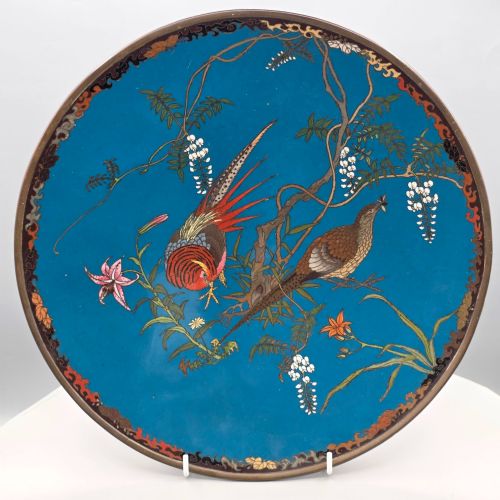
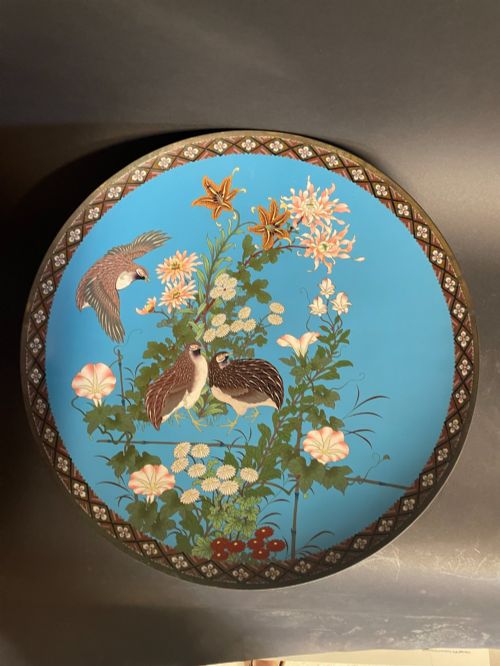
Japanese cloisonne art encompasses a variety of decorative objects, most frequently large chargers, plates, and vases originating from the Edo and Meiji periods. Buyers seeking these items encounter detailed enamel work depicting auspicious symbols, samurai, flora, and fauna.
The selection ranges from cabinet vases to substantial chargers measuring over thirty centimetres, alongside smaller items such as netsuke and censers. Pieces span several decades, with Meiji period examples appearing alongside Showa and Edo period works.
How They Were Made
Craftsmen built these pieces by soldering thin copper, brass, or silver wires onto a metal or porcelain base to form cellular compartments, known as cloisons. These outlines were then filled with coloured enamel pastes before being fired in a kiln and polished to a smooth finish.
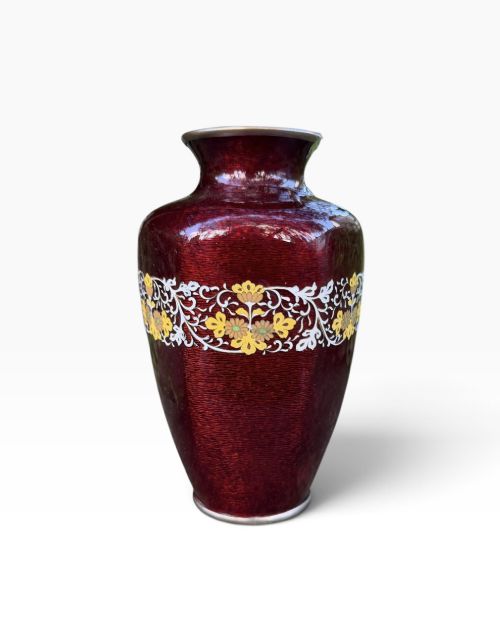
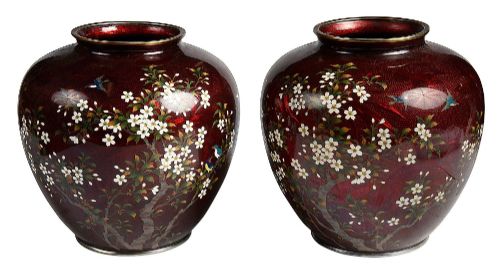
Advanced techniques included ginbari, which utilised textured foil beneath translucent red enamel, and plique-a-jour, creating a stained-glass effect without a solid backing. Champleve methods involved carving troughs directly into the metal body rather than applying surface wires.
Listings include items from the Edo, Meiji, and Showa periods, utilising copper, brass, bronze, silver, wood, and porcelain.
What Varies in Quality
Quality in Japanese cloisonne art depends upon the precision of the wirework and the complexity of the design. Finer examples display microscopic wire spacing and perfectly uniform enamel surfaces without pitting or clouding.
The presence of artist signatures or workshop marks, such as those by Ando Jubei or Tamura Yukio, distinguishes standard production from superior pieces. Materials also influence status, with silver wire and transparent ginbari enamel indicating higher ambition than standard copper grounds.
Ando Jubei·Tamura Yukio
The Japanese Cloisonne Art Glossary
- Cloisonne enamel
- A technique where metal wires form cells on a base to hold coloured glass paste. The piece is fired and polished until the wires and enamel lie flush.
- Ginbari
- A method featuring textured metal foil applied beneath translucent enamel. This creates a patterned, reflective depth beneath the coloured surface.
- Basse-Taille
- An enamel technique where the background is carved or hammered below the surface level. Translucent enamel allows light to bounce off the varying depths.
- Totai shippo
- A process where enamel is applied directly onto a porcelain body rather than metal. This creates translucent or thin-walled vessels.
- Champleve
- A method where troughs or cells are hollowed out of a thick metal base. Enamel is fired into these recesses rather than divided by soldered wires.
- Charger
- A large decorative plate intended for display rather than dining. These items often showcase the most elaborate pictorial designs.
Japanese Cloisonne Art: Frequently Asked Questions
How do I identify Meiji period pieces?
Meiji period items often exhibit exceptionally fine silver wirework and naturalistic motifs like birds and flowers. Makers during this era achieved new technical heights in crispness and scale.
Examine the base and surface for signatures and specialised techniques such as ginbari. These elements help distinguish late nineteenth-century output from later reproductions.
What is totai shippo porcelain?
Totai shippo refers to cloisonne enamel applied over a porcelain body instead of a traditional metal base. This technique produces plates and vessels with distinct translucent qualities.
Such pieces combine ceramic potting traditions with meticulous metal wire and enamel application. They represent a specialised branch of Japanese decorative arts.
How were large chargers displayed?
Large chargers and decorative plates were traditionally manufactured for display on stands or hung on walls rather than used for food. Their intricate pictorial scenes of dragons and landscapes were meant to be admired as focal points.
The substantial weight and wide diameters of these chargers required sturdy wooden stands or specialised wall mounts. Today, they serve a similar decorative function in domestic interiors.
What does a signature indicate?
Signatures on the base or edge of a piece point to the workshop or individual artist responsible for its creation. Master craftsmen such as Ando Jubei marked their superior productions.
Signed works usually reflect higher standards of design and technical execution. They provide collectors with a clearer attribution to specific Meiji or Showa period ateliers.