





Japanese Ceramic Wall Plate
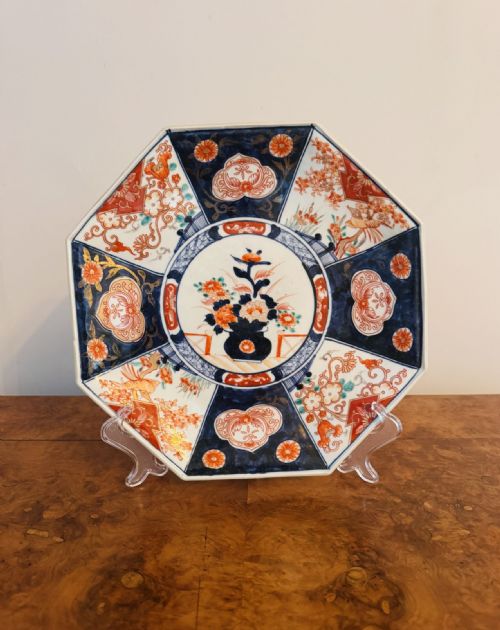
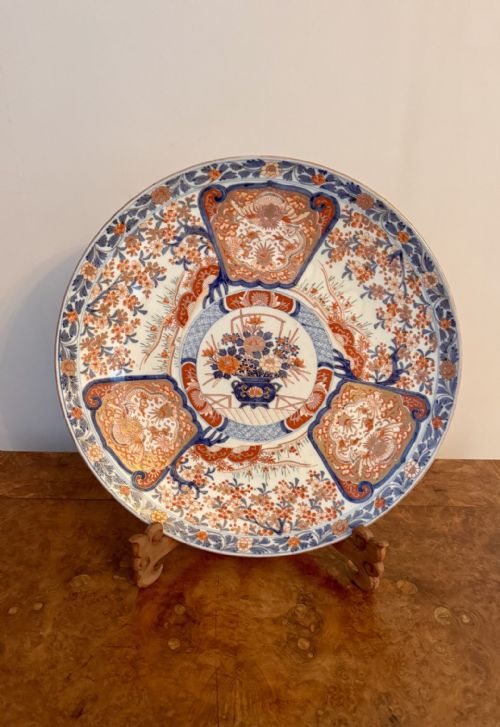
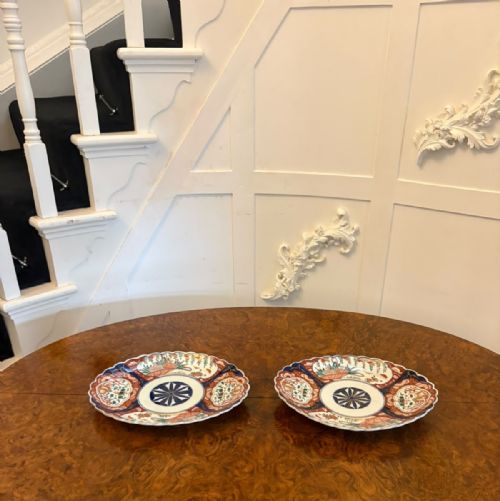
These japanese ceramic wall plate examples range from nineteenth century Imari chargers to Satsuma dishes, bringing traditional hand-painted display pieces into modern rooms.
Japanese Ceramic Wall Plate
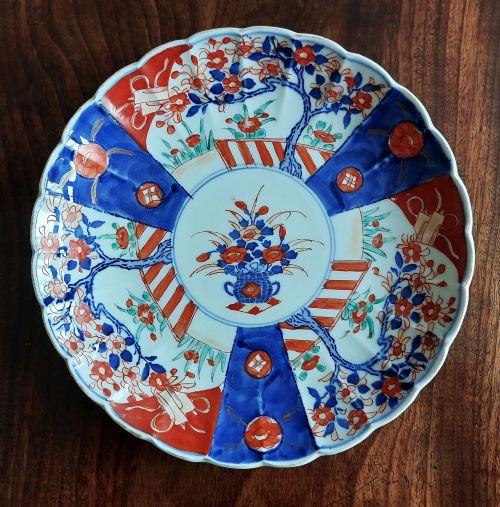
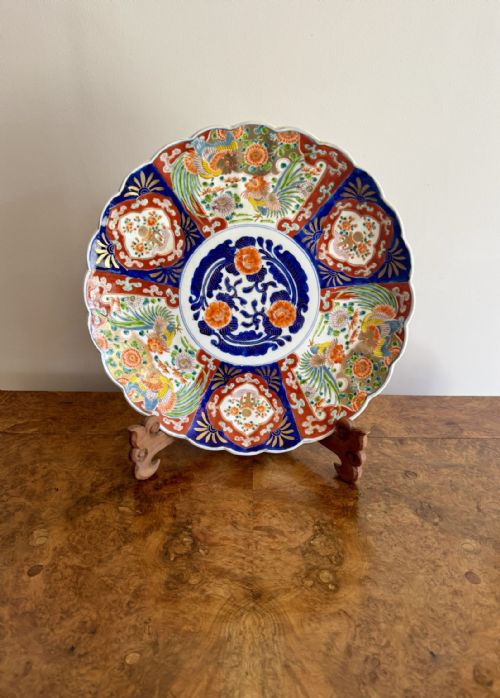
When you search for a japanese ceramic wall plate, you encounter decorative chargers, cabinet plates, and dishes originating primarily from the Meiji period and the nineteenth century. These items span traditional forms like scalloped edge dishes and large circular chargers intended for display rather than dining.
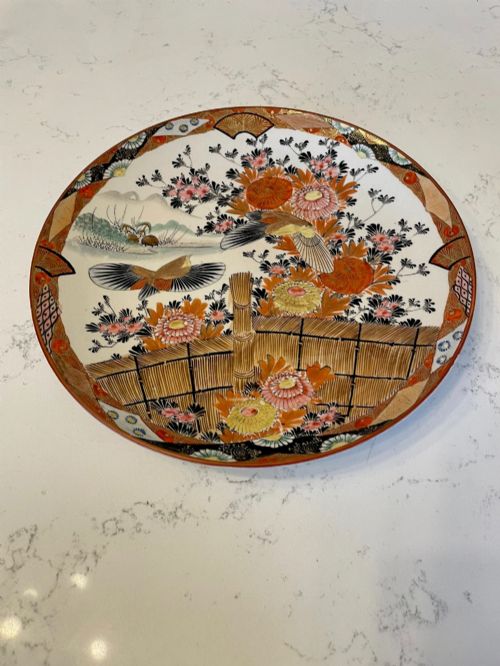
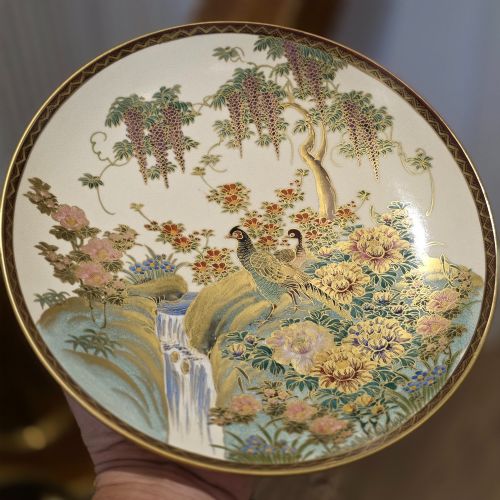
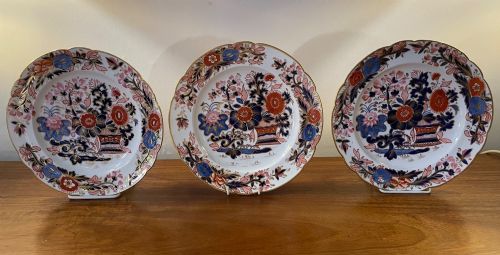
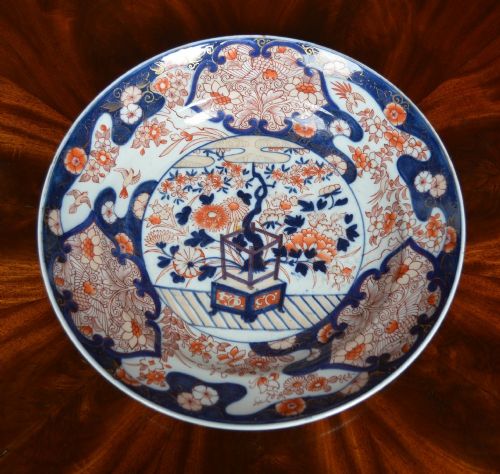
The most common examples on this page are Japanese Imari and Arita porcelains featuring cobalt underglaze alongside enamel and gilt highlights. Pieces also include Kutani and Satsuma wares, some displaying complex moriage decoration depicting birds, flowers, and natural scenes.
Materials and construction
The listings record porcelain and earthenware bodies shaped into plates and chargers, then finished with glaze and cobalt underglaze. Artisans applied hand-painted enamel and gold leaf accents to the surfaces, creating rich visual depth.
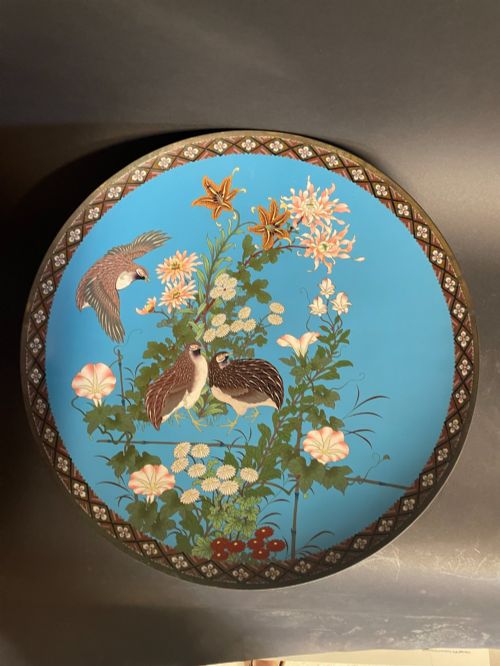
Certain vessels incorporate specialised techniques, such as totai shippo cloisonne on tree bark bases. Firing methods and hand-painting traditions define the production across Satsuma, Kutani, and Arita workshops.
Listings feature ceramics spanning the Victorian era through the early twentieth century, including pieces from the Meiji and Taisho periods.
Distinctions in quality
The distinction between standard decorative items and top-tier examples lies in the precision of the hand-painted brushwork and the vibrancy of the enamel and cobalt underglaze. Superior pieces display finely detailed motifs, such as exotic birds, peonies, and intricate geometric borders.
Overall form and balance also separate the range, with square-shaped plates, scalloped edges, and large matched pairs commanding greater visual interest. The clarity of the gilding and the crispness of the porcelain paste further define superior manufacturing.
Koshida
The Japanese Ceramic Wall Plate Glossary
- Imari
- A style of Japanese porcelain decorated in blue, red, and gold, named after the port from which it was shipped.
- Satsuma
- A type of earthenware from Japan featuring a crackle glaze and detailed polychrome enamel paintings often heightened with gold.
- Charger
- A large decorative plate traditionally used for display on a wall or sideboard rather than for serving food.
- Moriage
- A decorative ceramic technique involving raised dots or trailing lines of clay applied to create texture.
- Cobalt Underglaze
- A blue pigment applied to pottery before glazing and firing, producing a deep colour beneath the protective glassy surface.
Japanese Ceramic Wall Plate: Frequently Asked Questions
How were these wall plates used?
These large dishes and chargers served primarily for display in traditional interiors, showcased on walls, cabinets, or tables rather than utilised at the dining table.
Collectors and households valued them for their decorative impact, using their complex painted scenes to bring colour and pattern into living spaces.
How do I identify a Meiji period plate?
Meiji period pieces typically date from the late nineteenth to early twentieth century, reflecting the artistic output permitted following the opening of Japan.
Look for characteristic Imari or Satsuma palettes, distinct hand-painted motifs like birds and wisteria, and the dense application of enamel and gilt.
What is the difference between Imari and Kutani?
Imari wares are usually porcelain featuring a distinct palette of cobalt blue, iron red, and gilt, often produced around Arita.
Kutani pieces generally employ a broader, highly coloured palette with heavy green, purple, and yellow enamels depicting figurative or natural subjects.
Can these plates be hung safely on walls?
Many of these pieces were made as decorative chargers specifically intended for display, though modern wire hangers must be selected with care to match the rim style.
Scalloped edges and varying plate depths require properly adjusted fixings to secure the ceramic safely without placing undue pressure on the glaze.