



Japanese Ceramic Lions
These japanese ceramic lions are striking sculptural guardians and decorative vessels, bringing centuries of East Asian craftsmanship directly to your mantelpiece.
Japanese Ceramic Lions
When you search for japanese ceramic lions, you encounter figures known as shishi or karashishi, alongside larger decorative garnitures and vessels featuring these guardian beasts.
The pieces on this page span several key periods, from the Edo and Meiji eras through to specific nineteenth-century examples.
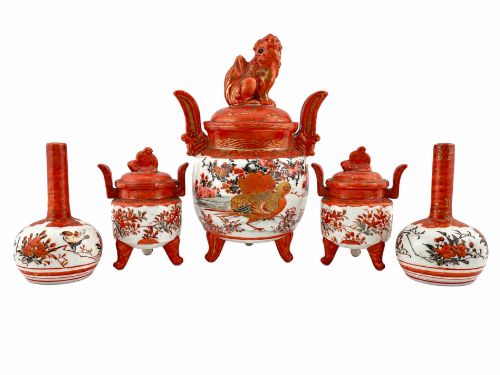
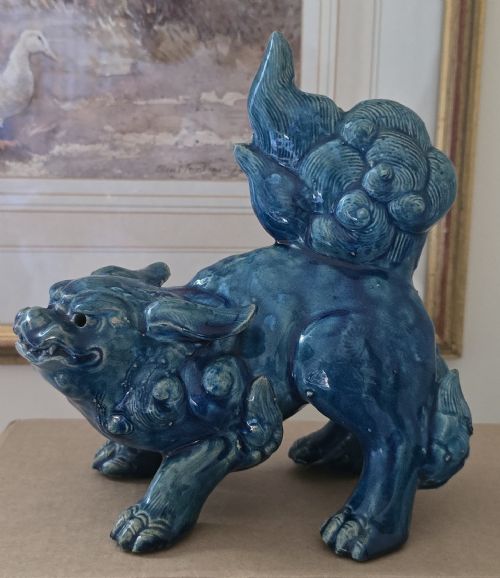
Forms vary from standalone turquoise-glazed sculptures and Kutani models to lidded koro incense burners and Imari chargers adorned with lion motifs.
How they were made
Potters utilised porcelain, earthenware, and glazed ceramic as the foundational bodies for these intricate figures and vessels.
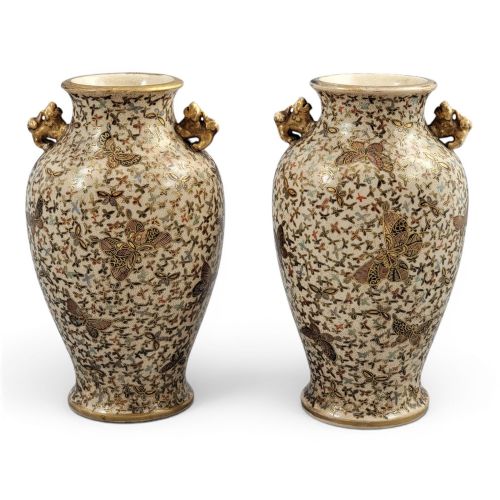
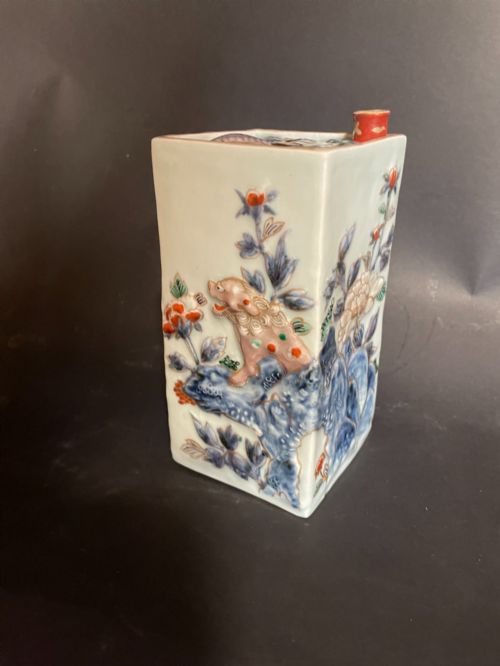
Surface decoration frequently incorporated overglaze enamel, intricate moriage relief work, and delicate applications of gold leaf and gilding.
Firing techniques varied across regional kilns such as Kutani, Satsuma, Hirado, and Bizen, each imparting distinct visual characteristics to the ceramic body.
Japanese Ceramic Lions Retail Price Guide 2026
Typical asking prices for japanese ceramic lions among the pieces listed under this phrase on Sellingantiques today, from the lower quarter to the upper quarter. They describe what is for sale here now, not the wider market.
Every ceramic lion bears a slightly different expression, ranging from fierce guardianship to a surprisingly amiable grin.
What varies in quality
The refinement of the enamel palette and the careful application of gilding or moriage separate exceptional examples from simpler decorative wares.
Completeness alters the standing of a piece, particularly in garnitures or lidded vessels where matching elements and original covers remain intact.
Kinzan
The Japanese Ceramic Lions Glossary
- Shishi
- A traditional guardian lion or lion dog originating from Buddhist tradition, frequently depicted protecting sacred spaces. These creatures appear as sculptural figures or handle ornaments on Japanese ceramic vessels.
- Kutani
- A style of Japanese coloured porcelain characterised by vibrant overglaze enamel palettes. Pieces from this tradition often feature bold designs incorporating mythical beasts and floral motifs.
- Moriage
- A ceramic decoration technique involving piped clay slips to create raised patterns and textures. This method adds significant tactile depth to the surface of vases and figures.
- Imari
- A prominent style of Japanese export porcelain featuring deep blues and iron reds, often accented with gold. Chargers and lidded vases in this tradition frequently display rich decorative schemes.
Japanese Ceramic Lions: Frequently Asked Questions
What is a shishi lion?
A shishi is a traditional guardian lion, also known as a foo dog, rooted in Buddhist mythology. They symbolise protection and are commonly depicted guarding temples and sacred objects.
In Japanese ceramics, these figures appear as independent sculptures or as sculptural elements integrated into the design of incense burners and vases.
How do I identify Meiji period pieces?
The Meiji period spans from eighteen sixty-eight to nineteen twelve, a time when Japanese craftsmanship flourished for international export. Pieces from this era often display highly detailed overglaze enamel work and elaborate decorative motifs.
Examining the regional style, such as Kutani or Satsuma wares, alongside the finish of the ceramic body helps determine this timeframe.
Where were these ceramics made?
These pieces originate from various renowned ceramic centres across Japan, including the Kutani kilns, Satsuma province, and Bizen. Each region developed distinct clay bodies, glazing methods, and artistic traditions.
Local specialisations directly influenced whether a piece emerged as a delicate porcelain figure or a robust earthenware vessel.
How should I display a koro?
A koro is an incense burner that functions effectively as a focal point on a tabletop, mantelpiece, or dedicated display cabinet. Because many feature intricate pierced lids and shishi finials, placing them at eye level allows for a full appreciation of the detail.
Ensure they rest on a stable surface, away from heavy foot traffic, to protect delicate handles and protruding sculptural elements.