


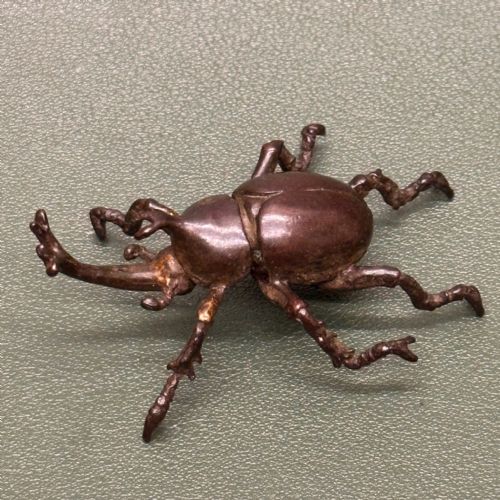


Japanese Casting Okimono
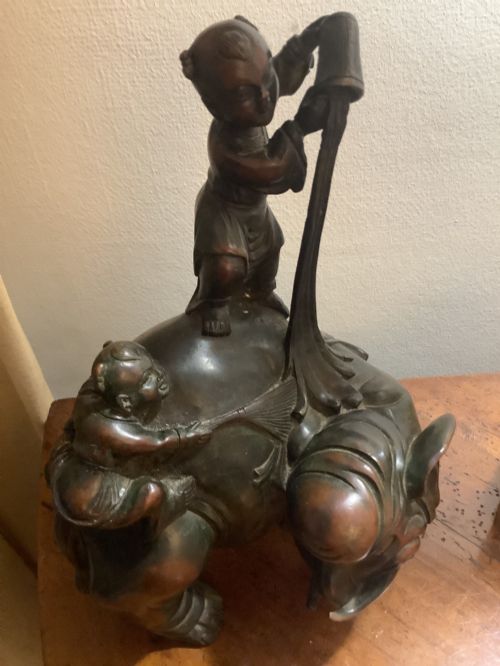
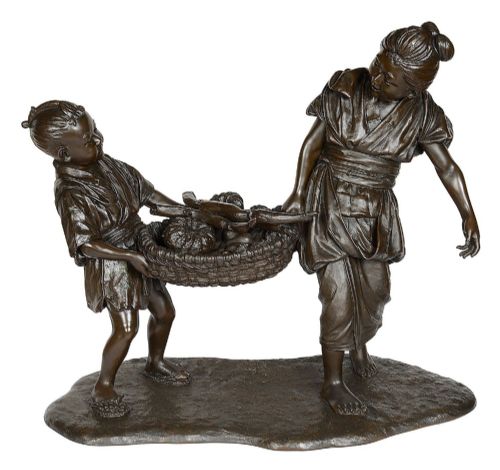
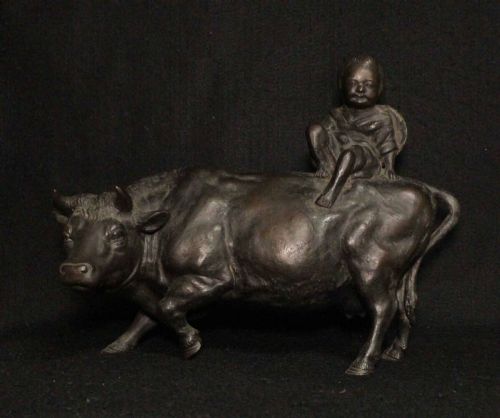
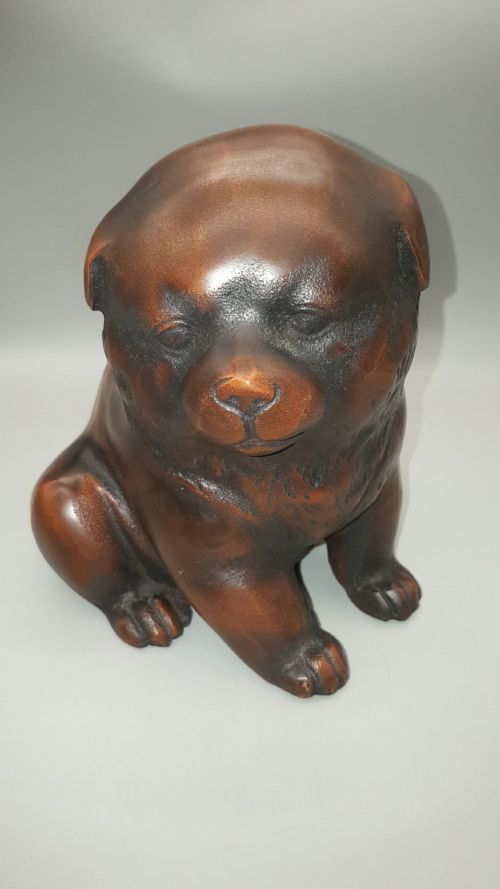
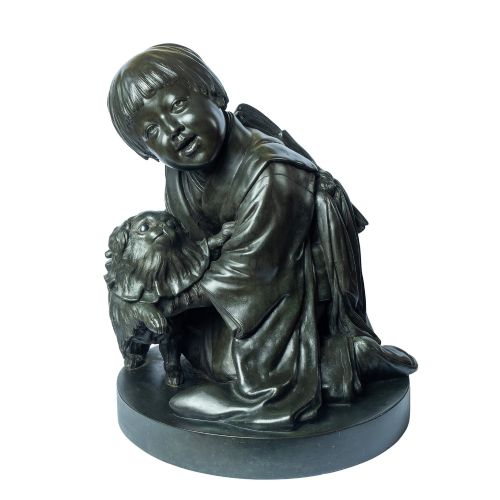
These Japanese casting okimono are sculptural objects created to display in homes and gardens during the Meiji and Showa periods.
Japanese Casting Okimono
Japanese casting okimono encompass sculptural objects produced in bronze and patinated bronze, often reflecting the natural world through depictions of animals, figures and birds. Buyers seeking these works will frequently encounter subjects ranging from domestic dogs and wild wolves to large garden dragons and geese.
The objects span from the nineteenth century into the twentieth century, bridging the Meiji and Showa periods. Forms vary from small tabletop pieces such as puppies and beetles to lifesize garden statuary.
How they were made
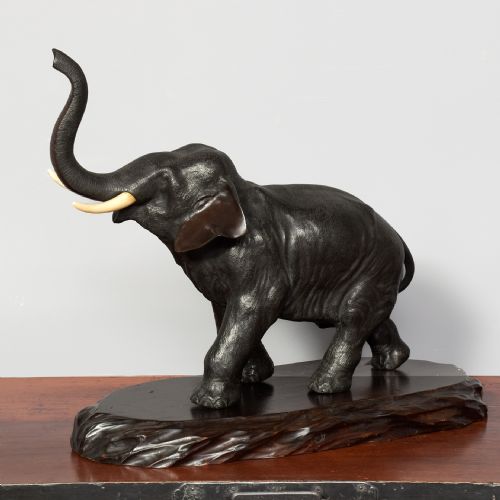
Metalworking techniques centre on bronze casting, utilising patinated bronze to achieve varied surface tones and textures. Artisans combined metal casting with secondary materials such as ivory tusks set into bronze bodies.
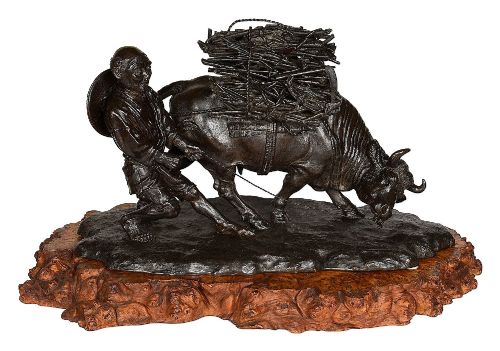
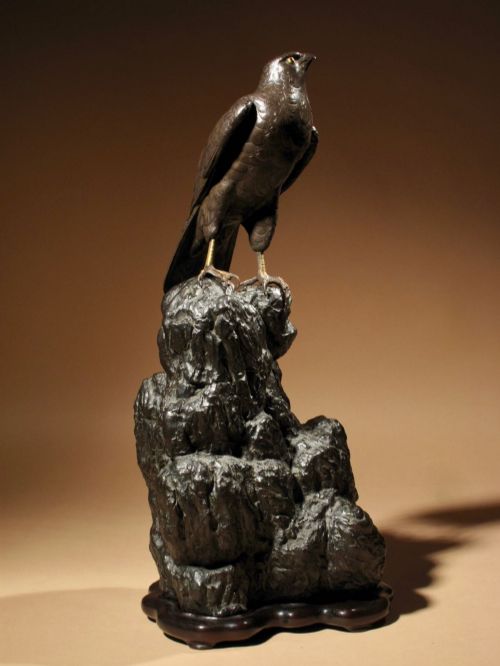
Wood elements also appear in the material record, including burr wood used alongside sculptural forms. The making process prioritised naturalistic detail, seen in craggy rock bases and textured animal pelts.
Japanese Casting Okimono Retail Price Guide 2026
Typical asking prices for japanese casting okimono among the pieces listed under this phrase on Sellingantiques today, from the lower quarter to the upper quarter. They describe what is for sale here now, not the wider market.
The listings on this page span the nineteenth century, 1880, 1890, 1910 and 1920.
What varies in quality
Quality rests upon the precision of the casting and the naturalism of the subject, distinguishing master works from standard production. Artisanal skill appears in the rendering of anatomy, such as the muscle definition of a buffalo or the delicate posture of a hawk.
Surface patination and the integration of mixed media, such as ivory tusks or naturalistic bases, further separate the tier of craftsmanship. Scale also dictates presence, with larger garden statuary requiring complex metalwork.
Tsunemitsu·Masaaki·Kaniya Kuniharu
The Japanese Casting Okimono Glossary
- Okimono
- A Japanese term for a decorative object or sculpture intended for display on a shelf or tokonoma.
- Meiji Period
- A period in Japanese history spanning from 1868 to 1912, characterised by extensive artistic production and opening to Western trade.
- Showa Period
- The period in Japanese history following the Taisho era, running from 1926 to 1989.
- Patinated Bronze
- Bronze that has been treated with chemical solutions or heat to alter its surface colour and finish.
- Burr Wood
- Wood harvested from a tree growth where the grain has grown in a deformed manner, creating intricate patterns.
Japanese Casting Okimono: Frequently Asked Questions
What is a japanese casting okimono?
These are decorative bronze sculptures created in Japan during the nineteenth and twentieth centuries.
They depict animals, figures and natural scenes for display in homes and gardens.
Where were these pieces displayed?
Smaller figures were placed inside homes on tabletops or display stands during the Meiji and Showa periods.
Larger statues of geese, dragons and animals were designed for placement in gardens.
How do I date a bronze okimono?
Dating relies on stylistic markers associated with the Meiji or Showa periods and records of active makers.
Materials like patinated bronze and mixed media such as ivory tusks also point to nineteenth and early twentieth century production.
What subjects are most common?
Animals dominate the selection, including dogs, elephants, wolves, rats and insects like rhinoceros beetles.
Human figures such as geisha and woodmen also appear alongside mythical creatures like dragons.