

Japanese Casting
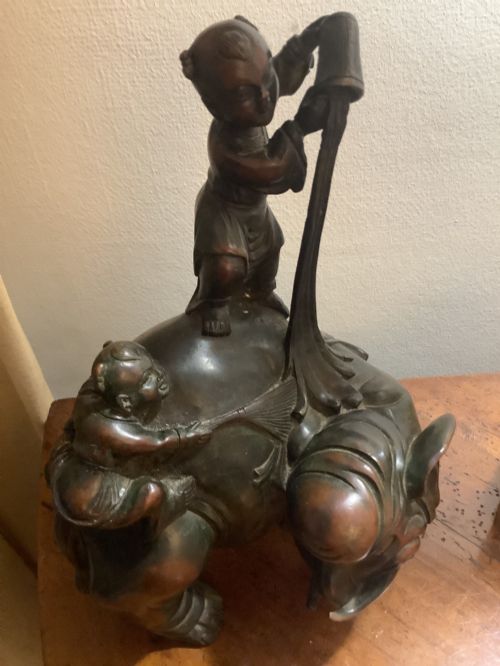
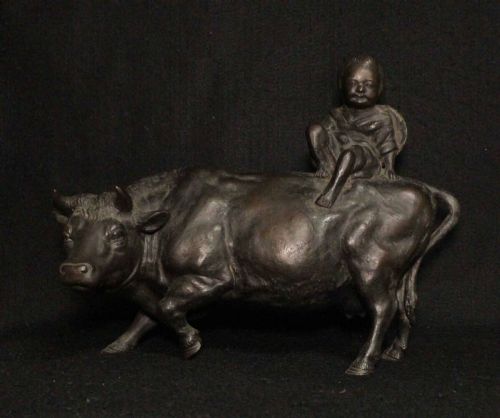
These Japanese casting antique works bring master metalwork and sculptural animals from the Meiji and Edo periods directly into your room.
Japanese Casting
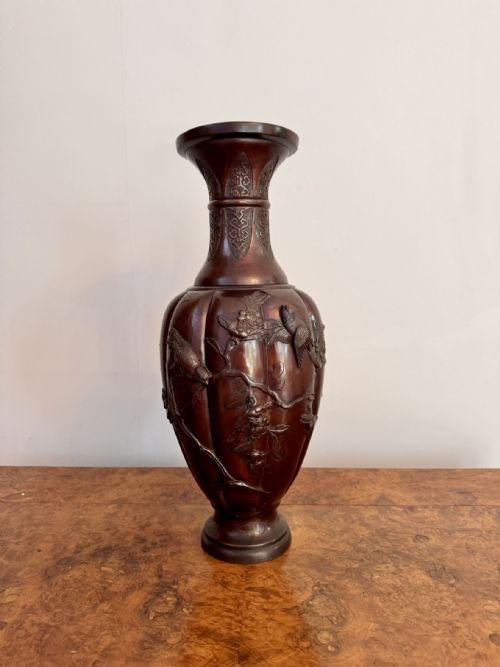
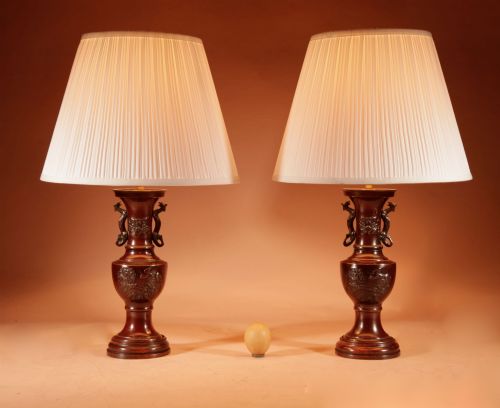
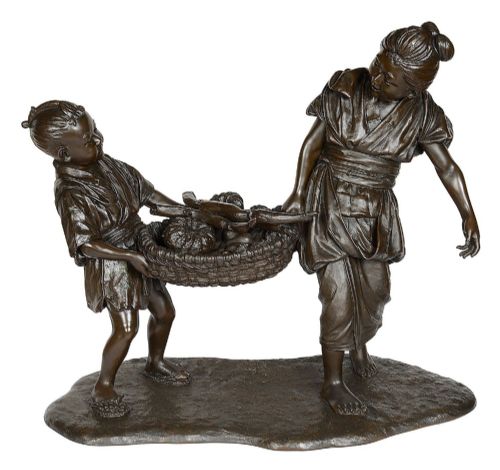
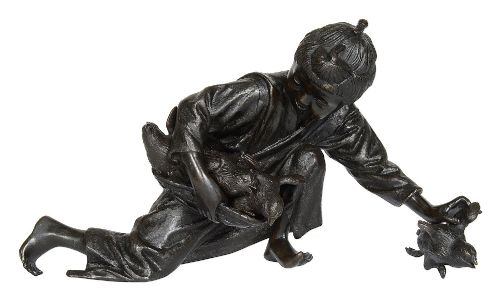
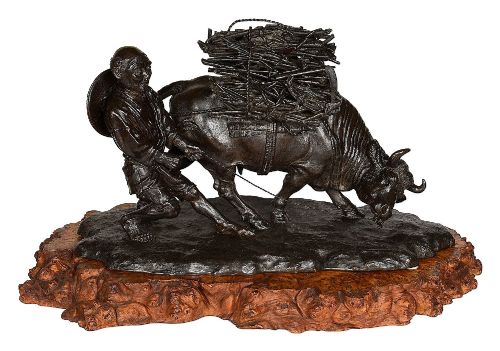
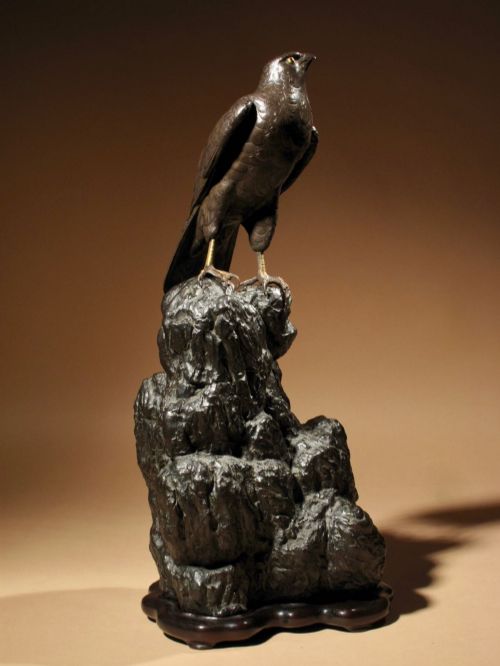
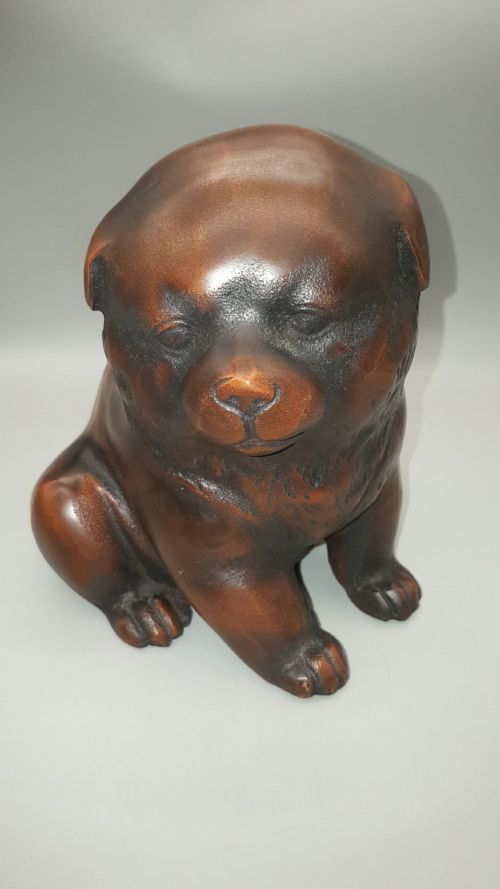
A search for Japanese casting antique reveals a diverse selection of metalwork objects originating primarily from the Meiji period, alongside Edo and Showa examples. The range spans functional vessels and lighting to naturalistic animal sculptures known as okimono.
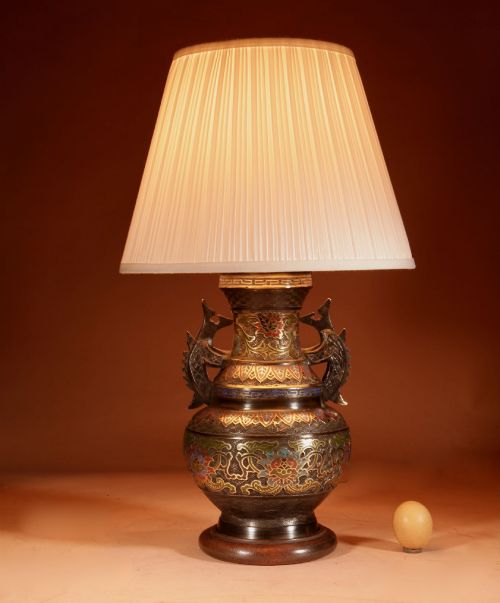
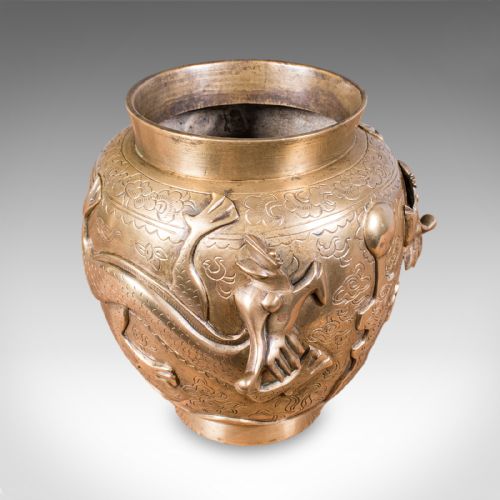
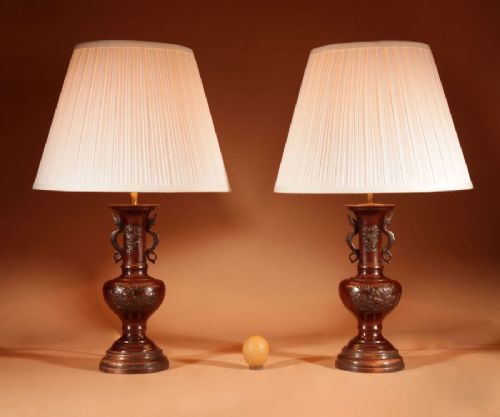
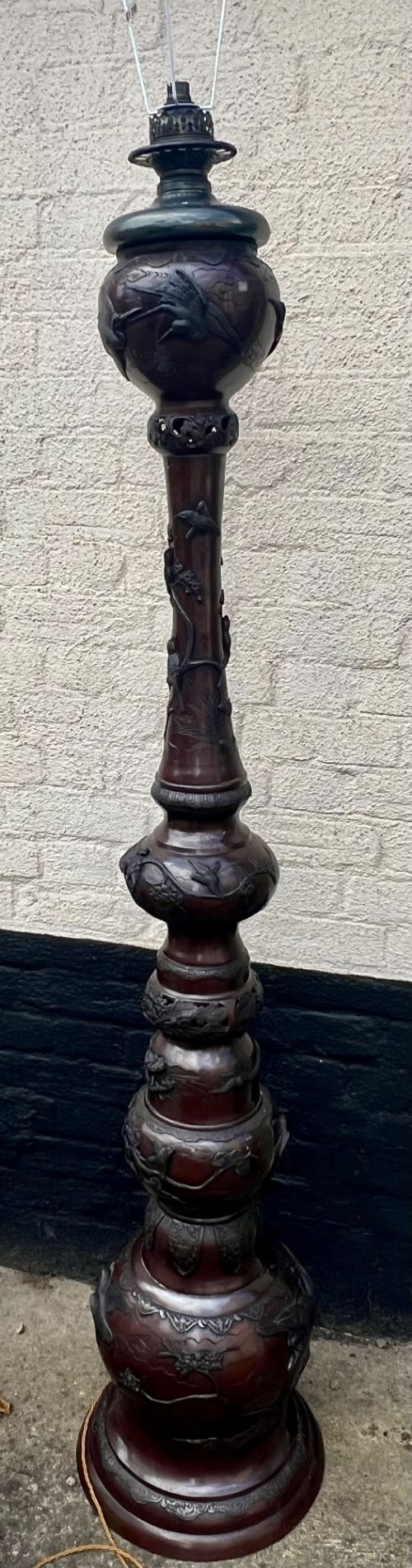
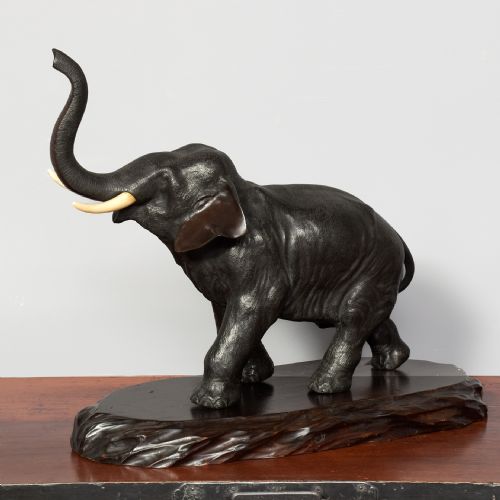
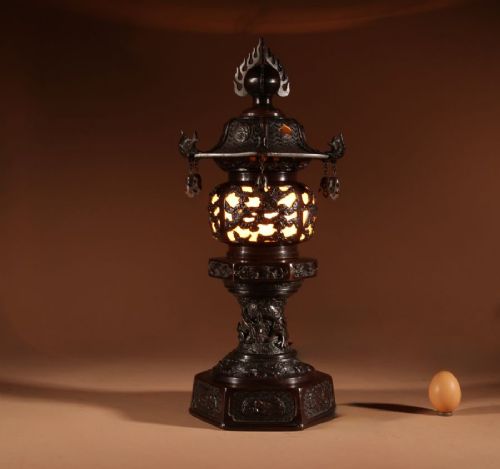
Most items you encounter on this page take the form of bronze vases, table lamps, incense burners, and figures of animals ranging from elephants to rhinoceros beetles. These pieces demonstrate the remarkable skill of metalworkers operating during periods of significant artistic exchange.
How they were made
Metalworking traditions rely primarily on bronze and patinated bronze, often utilising cast iron for utilitarian kettles known as tetsubin. Artisans apply chemical patination to achieve deep, nuanced surface colours.
Many items incorporate champlevé enamel or delicate inlay work in contrasting metals, while select animal sculptures include ivory tusks or diamond eyes to enhance realistic details.
Japanese Casting Retail Price Guide 2026
Typical asking prices for japanese casting among the pieces listed under this phrase on Sellingantiques today, from the lower quarter to the upper quarter. They describe what is for sale here now, not the wider market.
Listings feature items spanning the 19th century, Victorian era, Edwardian period, and early 20th century, executed primarily in bronze, brass, and cast iron.
What varies in quality
Quality rests upon the crispness of the casting and the sensitivity of the sculptural modeling, especially in complex animal okimono where anatomy and texture demand absolute precision. Finer examples display meticulous chiselling after the cast has cooled.
Surface finishing dictates the upper tier of the range, separating standard production wares from pieces bearing signatures from recognised schools or master founders.
Tsunemitsu·Masaaki·Kunio Itô·Kaniya Kuniharu·Kibundo·Sakai Kōzan
The Japanese Casting Glossary
- Okimono
- A Japanese freestanding ornamental statue or sculpture designed for display on a shelf or in a tokonoma alcove. These figures frequently depict animals, birds, or human subjects with intense realism.
- Tetsubin
- A traditional Japanese cast iron kettle used for boiling water for tea. They often feature textured exterior designs and spouts with matching lids.
- Champlevé
- An enamelling technique where troughs or cells are carved into the metal surface and filled with vitreous enamel before firing. This adds vibrant colour highlights to bronze vases and lamps.
- Usubata
- A specific form of bronze vase traditionally utilised for Japanese flower arrangement, featuring a broad flat rim above a columnar body.
Japanese Casting: Frequently Asked Questions
What is a Japanese okimono?
An okimono is a decorative object intended for display rather than practical use. They frequently take the form of animals, insects, or figures rendered with close attention to natural detail.
These pieces showcase the mastery of metalworkers who captured motion and texture in cast bronze during the nineteenth and early twentieth centuries.
How do I identify a Meiji period bronze?
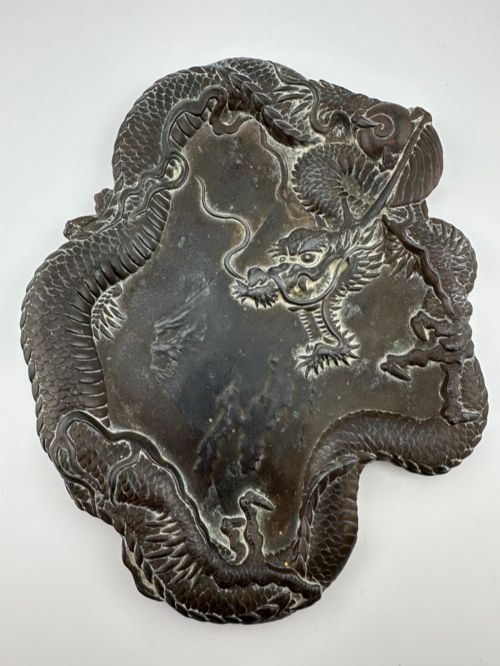
Meiji period bronzes often display rich patination, high-relief dragon motifs, or naturalistic subjects produced following the opening of Japan to Western trade. Many carry signatures or foundry marks on the base.
The style bridges traditional temple casting techniques with decorative objects tailored for international export markets.
How do I clean an antique bronze?
Antique bronzes require minimal intervention to preserve their historic patinated surfaces. Dusting gently with a soft, dry cloth is usually sufficient for regular maintenance.
Avoid using commercial metal polishes or water, as these substances can strip away the original patina and damage the delicate colouring achieved by the maker.