


Japanese Carved Wood Sculpture
These Japanese carved wood sculpture pieces bring extraordinary craftsmanship and organic texture into a room, offering finely detailed figures, animals and miniature carvings.
Japanese Carved Wood Sculpture
When you search for japanese carved wood sculpture, you enter a diverse field of traditional objects originating mainly from the nineteenth century and the Meiji and Edo periods. These pieces include tactile netsuke, detailed okimono, decorative objects and hand-carved animal figures such as bears, tigers and frogs.
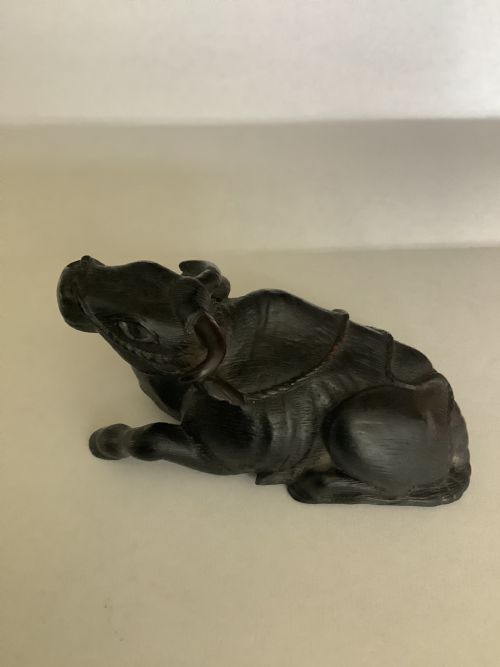
You will most commonly encounter boxwood netsuke, hardwood okimono and rustic linden wood animal carvings associated with Japanese folk art traditions. The selection spans miniature carvings designed to be worn or handled to larger statuettes and architectural figures.
How they were made
Carvers utilised boxwood, linden wood, bamboo and various hardwoods, employing specialised chisels and knives to achieve intricate surface textures and naturalistic forms. Certain pieces display dark stains, lacquer finishes or localized gilding to highlight specific details of the subject.
The working methods range from the precise miniature detailing required for signed netsuke to the bold, textured strokes seen in folk art carvings like the kibori kuma bear sculptures.
The listings feature boxwood, linden wood, hardwood, bamboo and root wood bases alongside bronze and silvered bronze items.
What varies in quality
Quality rests in the precision of the carving, the expressiveness of the subject, and the preservation of fine surface details over time. Superior examples display masterful handling of the grain, subtle anatomical accuracy, and clear artist signatures.
Lesser pieces may exhibit coarser tool marks, rigid postures, or generalized forms that lack the spirited observation and tactile fluidity found in masterworks.
Tomochika·Masayuki·Gyoko
The Japanese Carved Wood Sculpture Glossary
- Netsuke
- A small carved toggle used in traditional Japanese dress to secure a suspended pouch or small container. These miniature objects often depict animals, deities or figures.
- Okimono
- A small decorative statuette designed for display on a household shelf or in a traditional alcove. They frequently portray mythological figures, animals or scenes from daily life.
- Kibori Kuma
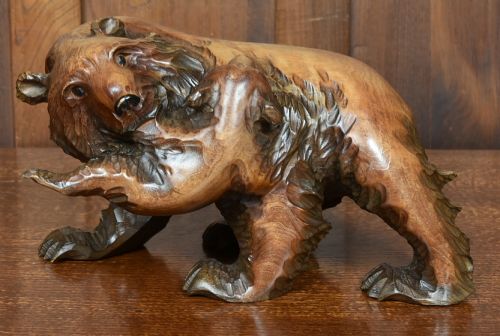
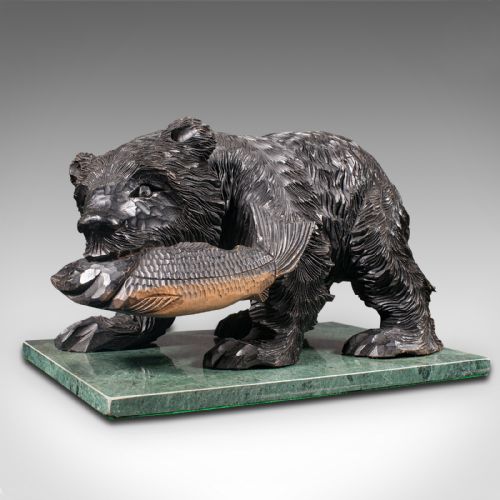
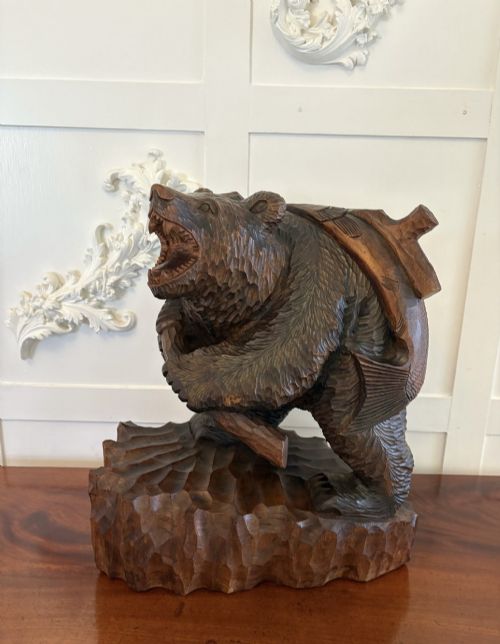
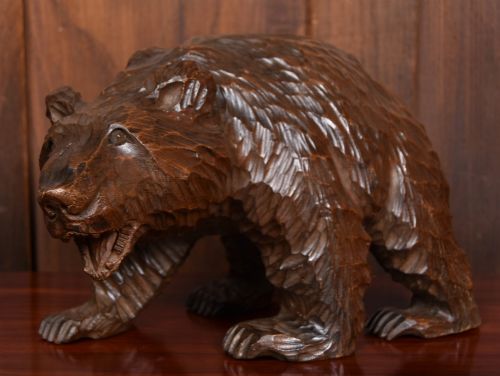
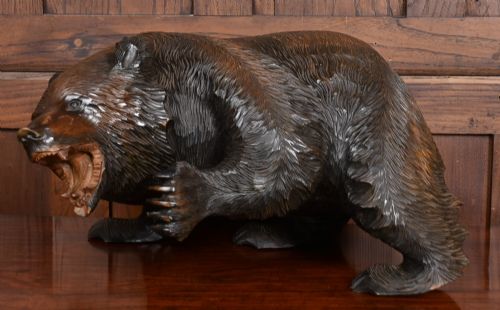
- A style of traditional wooden bear carving originating from the Hokkaido region of Japan. These pieces often show the animal carrying a fish in its mouth.
- Edo Period
- The historical era of Japanese history lasting from sixteen hundred and three to eighteen hundred and sixty-eight. Carvings from this time show distinct traditional craftsmanship.
- Meiji Period
- The era spanning from eighteen hundred and sixty-eight to nineteen hundred and twelve marked by rapid modernization and exceptional decorative arts production.
Japanese Carved Wood Sculpture: Frequently Asked Questions
What is a netsuke used for?
A netsuke served as a practical toggle fastened to the end of a cord attached to a small container worn on the traditional kimono sash. They allowed people to carry personal items securely without pockets.
Over time these functional toggles evolved into highly collectible miniature sculptures prized for their intricate detail and clever designs.
How do I display an okimono?
An okimono is traditionally placed on a low shelf or within a display alcove to be appreciated up close for its fine carving and character. Because many pieces are tactile, collectors often enjoy handling them to feel the smooth grain of the boxwood or hardwood.
Keep them away from direct sunlight and dramatic humidity changes to preserve the natural wood and any applied finishes.
What is a kibori kuma sculpture?
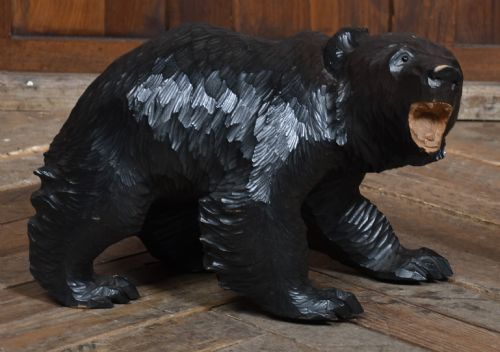
A kibori kuma is a hand-carved wooden bear originating from northern Japan, frequently shown with textured fur and holding a salmon. These folk art carvings became popular souvenirs and decorative items.
They range in scale from small cabinet pieces to large linden wood sculptures carved with expressive, rustic detail.
How do I tell Edo and Meiji period pieces apart?
Edo period carvings often reflect traditional spiritual, folkloric and everyday themes with a restrained, classical elegance. Meiji period works frequently demonstrate heightened naturalism and virtuosic technical skill driven by international exhibition markets.
Examining the subject matter, signature style and carving depth helps place a piece within its historical era.