




Dark Wood Japanese Figure
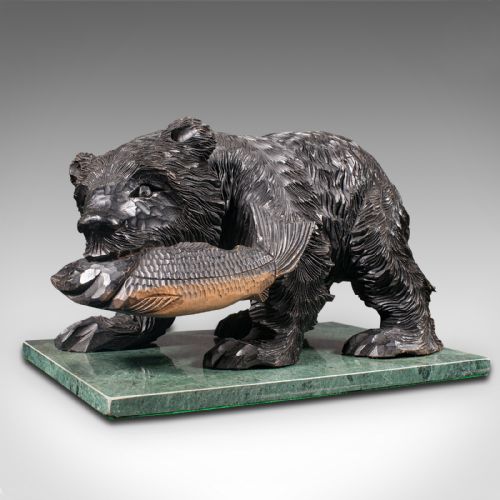
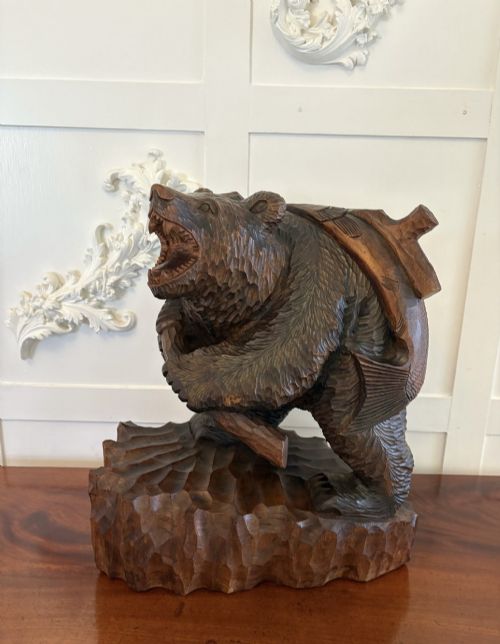
These dark wood japanese figure pieces bring hand-carved wildlife, folklore, and everyday subjects into a room.
Dark Wood Japanese Figure
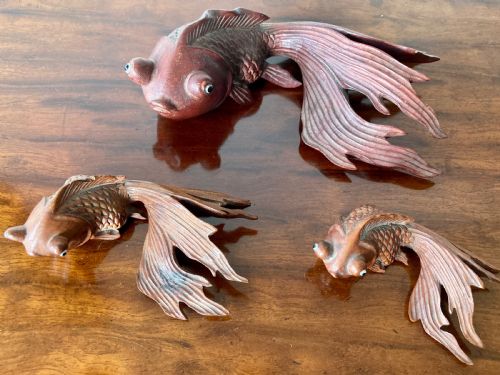
When you search for a dark wood japanese figure, you encounter a variety of carved sculptures, figurines, and household objects originating from the nineteenth and early twentieth centuries. These works span folk art traditions, Meiji period artistry, and traditional forms utilising wood, root wood, linden wood, and burr wood.
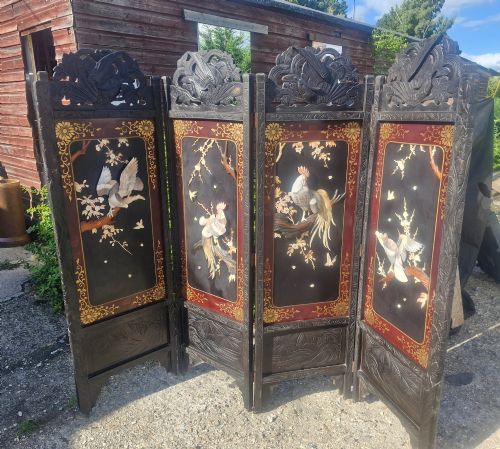
Most pieces date from the nineteenth century and the early twentieth century, reflecting the craftsmanship of the Meiji period and Edo period influences. They range from miniature carvings to large sculptures and folding screens inset with bone figures.
Materials and construction
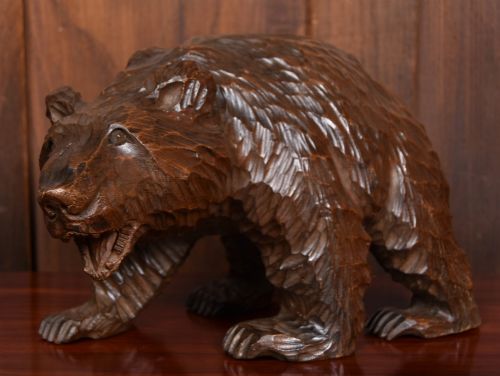
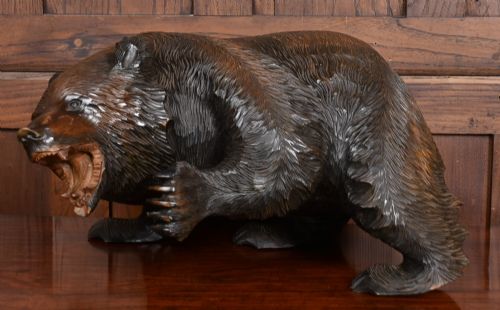
The makers utilised diverse woods including linden wood, burr wood, and root wood, often shaping the natural contours of the timber to form animals and figures. Carvers also employed techniques like nata-tsukuri, leaving distinct hatchet marks on the surface of the wood.
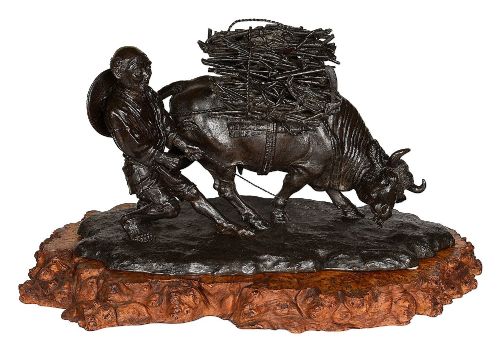
Some works incorporate mixed media, combining carved timber with bronze elements, bone inlay, and lacquer finishes. These materials required precise hand-carving skills, whether applied to a miniature netsuke or a large sculptural figure.
The selection includes functional items such as table lamps and folding screens alongside freestanding sculptures.
Distinctions in quality
Quality rests in the precision of the carving and the fidelity of the anatomical or facial details, distinguishing simple folk art from masterworks. The handling of the natural grain in root wood and linden wood plays a major role in the visual depth of the piece.
Signed works and those associated with documented makers carry greater weight among collectors. The preservation of the original surface finish and the integrity of any inlaid components also dictate the standing of an object.
Tomochika·Gyoko
The Dark Wood Japanese Figure Glossary
- Meiji Period
- The era in Japanese history lasting from 1868 to 1912, noted for a flourishing of decorative arts and metalwork exported to the West. Many carved figures and bronzes date from this time.
- Okimono
- A small Japanese ornamental carving, typically displayed in a tokonoma alcove. These objects depict animals, deities, and daily life.
- Netsuke
- A small carved toggle fastened to the end of a cord attached to a small container worn on a kimono sash. They were frequently carved from wood or ivory.
- Root Wood
- Timber shaped by the gnarled growth patterns of tree roots, utilised by carvers to suggest natural forms like animal bodies or rocky terrain. Each piece is entirely unique due to the organic growth.
- Nata-Tsukuri
- A traditional Japanese carving technique employing a hatchet, leaving deliberate faceted tool marks across the wooden surface. This method highlights the rustic texture of the material.
Dark Wood Japanese Figure: Frequently Asked Questions
What periods do these figures come from?
The pieces originate primarily from the nineteenth century and the early twentieth century, spanning the Meiji and Edo periods. Makers of this era produced both traditional folk art and detailed exhibition pieces.
Dates are established through stylistic markers, material usage, and occasional artist signatures found on the base or body of the sculpture.
How do I identify root wood carvings?
Root wood pieces follow the natural twists, knots, and contours of the tree roots rather than standard timber planks. Carvers incorporate these organic shapes directly into the anatomy of animals or the bases of sculptures.
This technique ensures that no two root wood figures share the same silhouette or grain pattern.
What subjects are most common?
Common subjects include bears with fish, tigers, figures of deities like Ebisu, and human figures such as geishas and woodmen. Animals and folkloric figures dominate the nineteenth-century output.
Many of these motifs reflect traditional Japanese stories and a close observation of the natural world.
Are these pieces signed?
Certain sculptures and okimono bear signatures or seals carved directly into the wood or inscribed on attached plaques. Signatures indicate individual carvers or workshop origins during the Meiji period.
Unsigned pieces remain common, particularly among folk art and utilitarian objects like table lamps.
How should I care for dark wood figures?
Keep wooden sculptures away from direct sunlight and sudden temperature shifts to prevent the timber from drying out or splitting. Dust gently with a dry, soft cloth without applying modern chemical polishes.
Stable indoor humidity preserves both the wood and any delicate bone or bronze attachments.