



Japanese Cabinet Drawers
Japanese cabinet drawers combine practical storage with centuries of craftsmanship, offering compact or chest forms in cedar, elm, and zelkova wood.
Japanese Cabinet Drawers
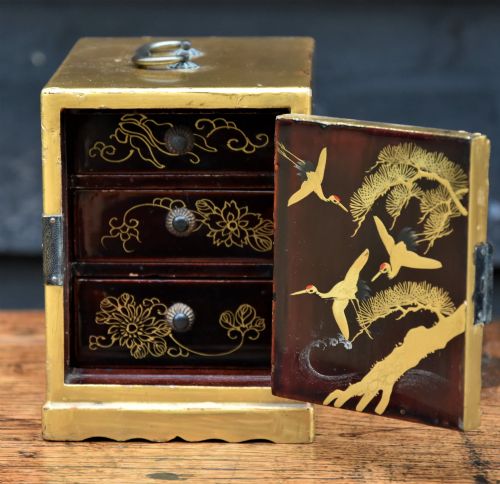
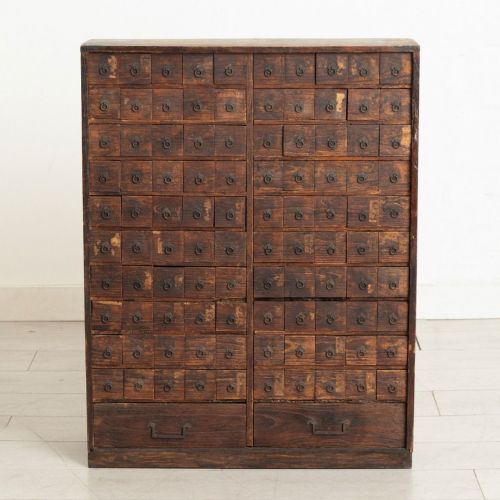
Japanese cabinet drawers encompass a variety of forms designed for organisation, ranging from large tansu chests to smaller table cabinets and apothecary banks of drawers. These pieces emerge primarily from the 19th century through to the early 20th century, including the Meiji and Taisho periods.
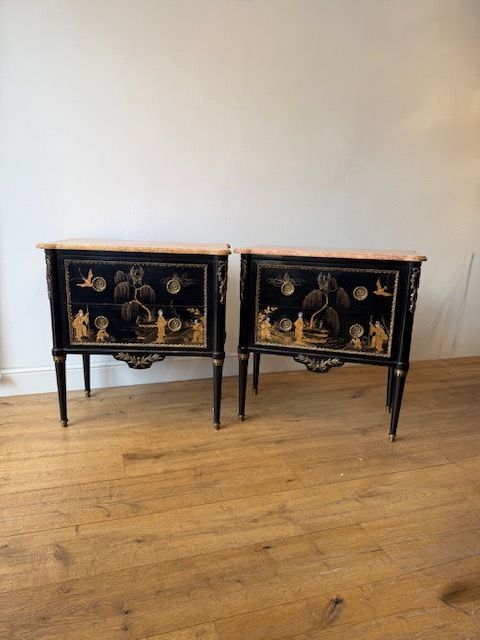
Buyers will encounter traditional regional storage pieces alongside specific utilitarian forms like kitchen mizuya, ship's chests, and step chests known as kaidan tansu. Occasional European interpretations appear in the form of lacquered commodes and Chinoiserie styles.
The material construction varies from native softwoods like cedar and elm to more robust hardwoods and zelkova wood, frequently accented with elaborate metal fittings.
Materials and construction
Construction relies heavily on traditional timber framing using native woods such as cedar, elm, and zelkova wood, selected for their grain and durability. Joinery techniques allow these chests of drawers to withstand movement and heavy use without modern adhesives.
Surfaces are often finished with traditional lacquer or left as natural wood, whilst decorative elements incorporate forged iron and bronze hardware, including strap hinges and animal decoration. Wheels and transport handles are integrated into specific utilitarian designs like ship's chests and mobile cabinets.
Japanese Cabinet Drawers Retail Price Guide 2026
Typical asking prices for japanese cabinet drawers among the pieces listed under this phrase on Sellingantiques today, from the lower quarter to the upper quarter. They describe what is for sale here now, not the wider market.
Listings span the 19th century through the Taisho period, featuring cedar, elm, zelkova wood, iron, and bronze.
Assessing quality and craftsmanship
Quality in japanese cabinet drawers is determined by the selection of timber, such as figured zelkova wood or high-grade cedar, and the precision of the underlying joinery. Superior pieces display harmonious proportions and intact original surfaces rather than later restorations.
The execution of the hardware, including hand-forged iron or cast bronze fittings and animal decoration, separates standard utility items from finer decorative table cabinets and tansu.
The Japanese Cabinet Drawers Glossary
- Tansu
- A traditional Japanese mobile chest or cabinet used for storage, featuring various configurations of drawers and sliding doors. These pieces were built for specific domestic or travel purposes.
- Mizuya
- A traditional Japanese kitchen tansu used for storing food and utensils. They represent the domestic storage traditions of the period.
- Zelkova
- A hardwood native to Japan, often utilised for the drawer fronts and panels of high-grade cabinetry due to its pronounced grain pattern.
- Kodansu
- A small Japanese table cabinet designed for holding documents, seals, or personal valuables. These miniature storage pieces often feature fine lacquerwork.
- Kaidan tansu
- A traditional Japanese step chest built in a staircase configuration to maximise small living spaces while providing concealed drawer storage.
Japanese Cabinet Drawers: Frequently Asked Questions
How were apothecary drawers used?
Apothecary cabinets and banks of drawers served to organise medicinal herbs, powders, and ingredients. Each small compartment held specific substances.
These pieces feature numerous small drawers to keep ingredients separated and easily accessible.
Where were step chests placed?
Kaidan tansu, or step chests, were designed to be placed against walls in multi-level Japanese dwellings. They provided both access to upper floors and essential storage.
The steps themselves double as concealed drawer compartments.
How do I identify a Meiji period piece?
Meiji period items date from the late 19th to early 20th century, a time of opening trade and refined craftsmanship. They often combine traditional forms with detailed metalwork.
Look for specific period markers in the timber selection, such as zelkova wood, and traditional bronze animal decoration.