

Japanese Bronze Casting
Japanese bronze casting delivers masterly metalwork, bringing intricate animal okimono, lidded urns and patinated table lamps straight into modern interiors.
Japanese Bronze Casting
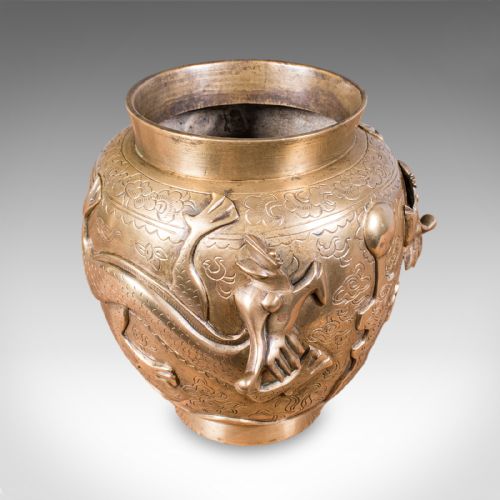
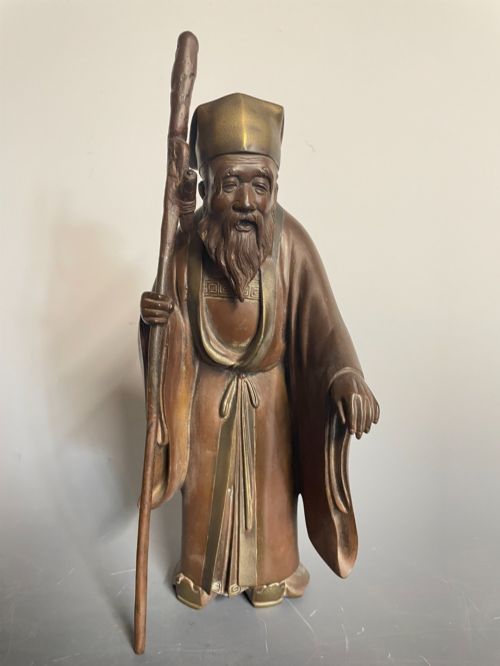
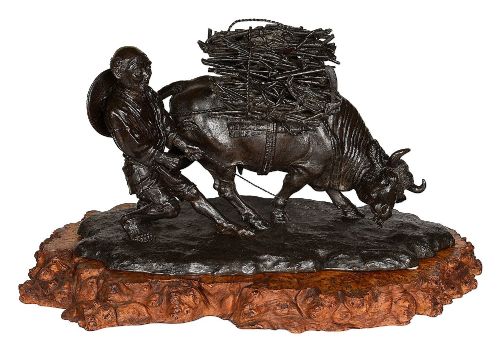
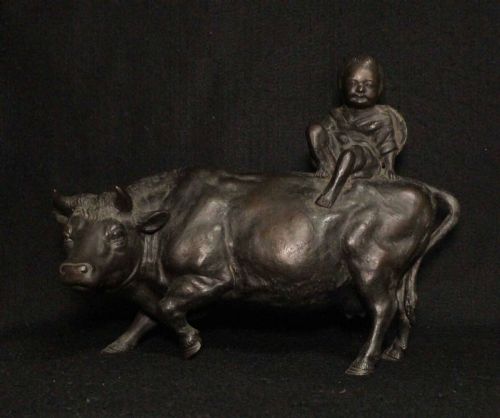
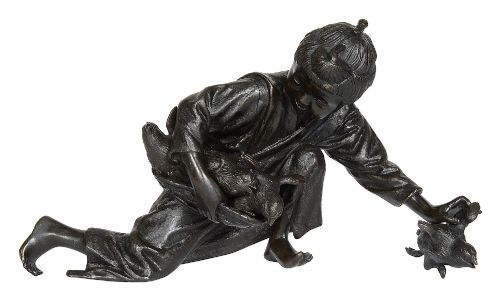
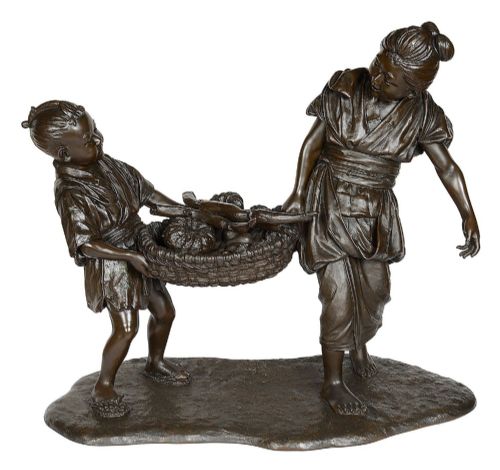
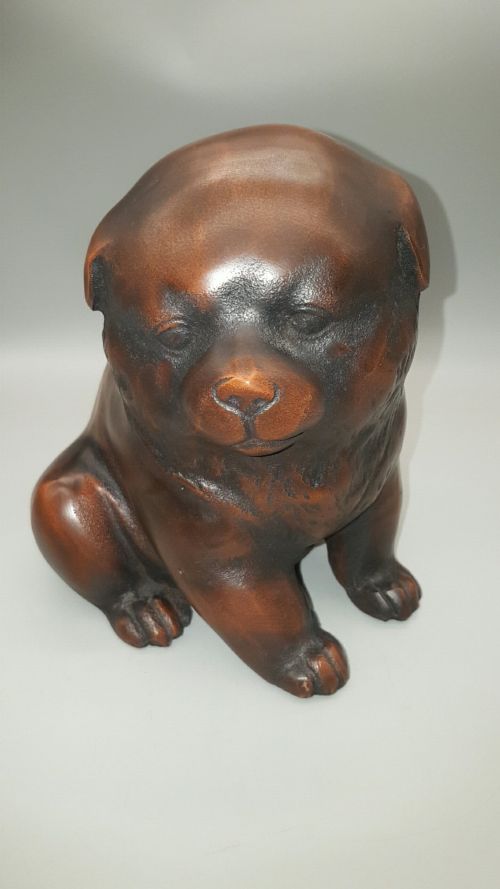
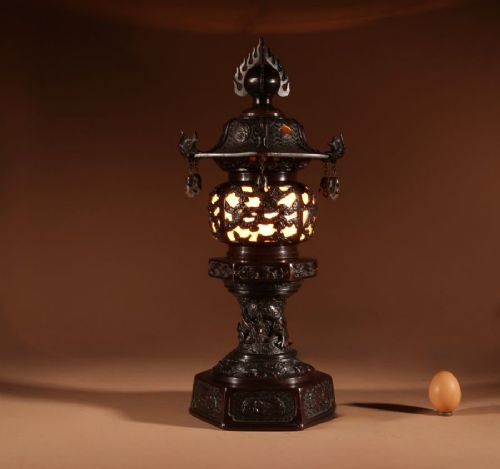
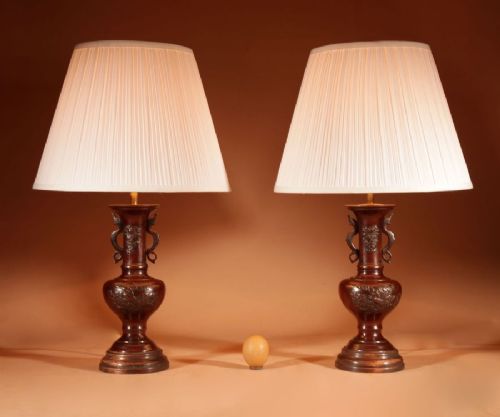
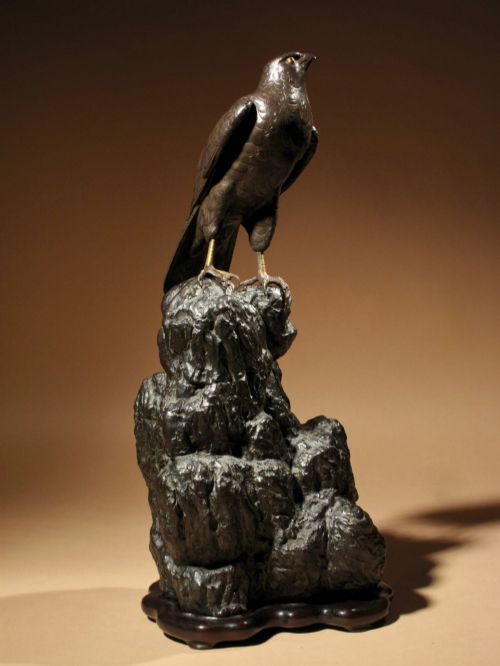
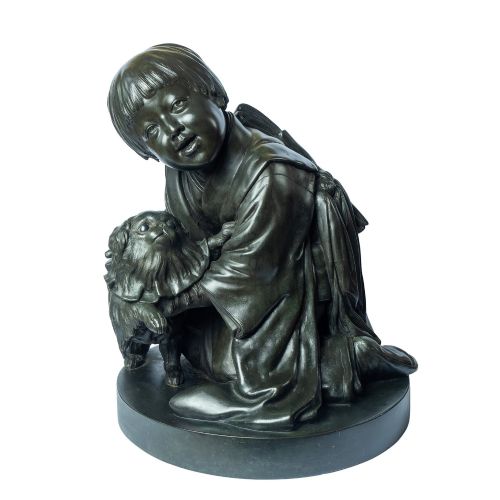
When you search for japanese bronze casting, you encounter sculptural okimono, vessels and lighting dating primarily from the Meiji period alongside Edo and Showa examples. These pieces range from naturalistic animal figures like sleeping puppies and elephants to archaistic hu vases and functional sake kettles.
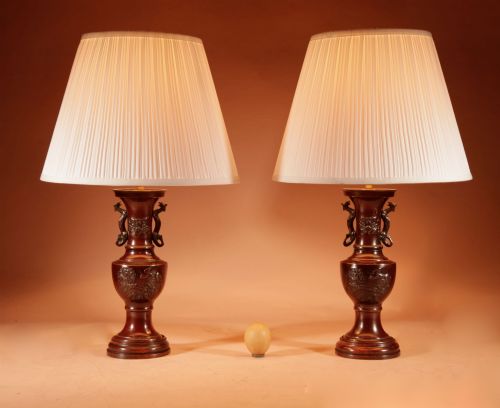
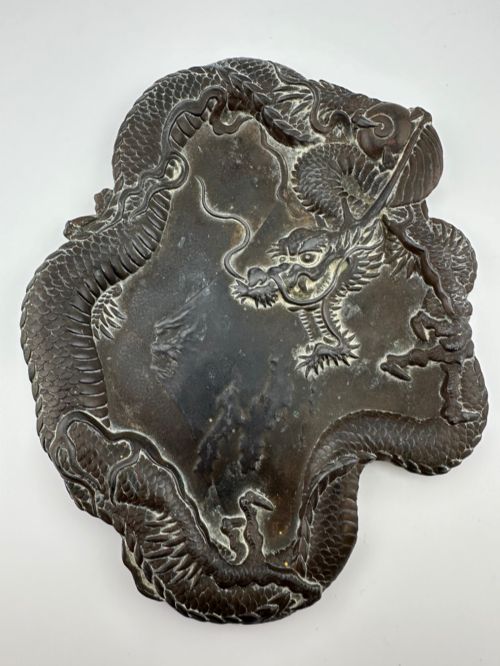
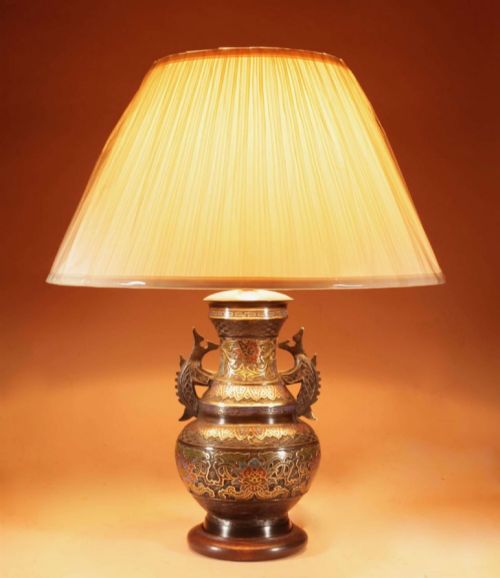
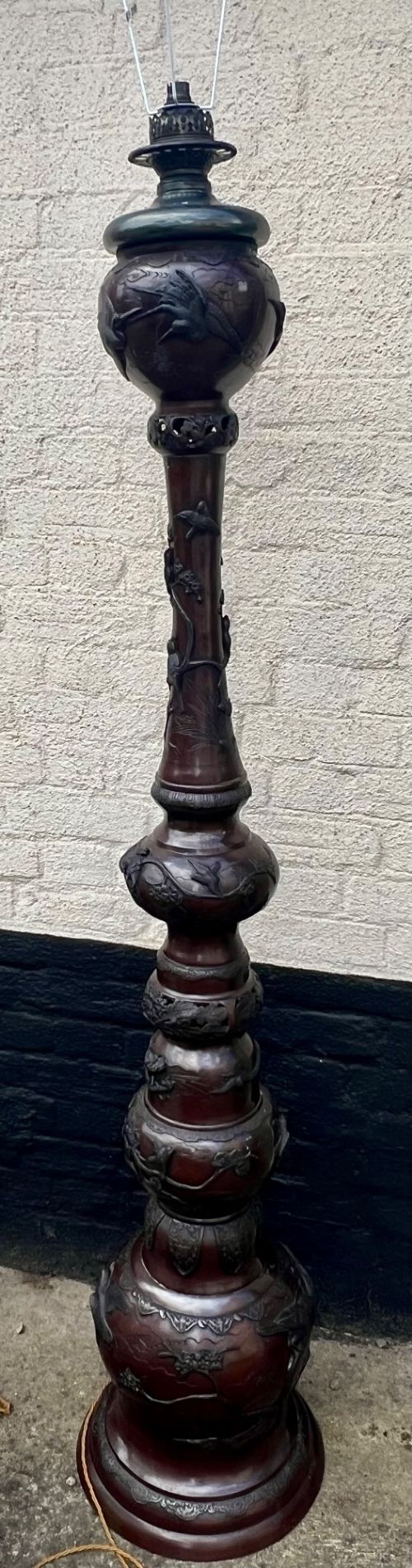
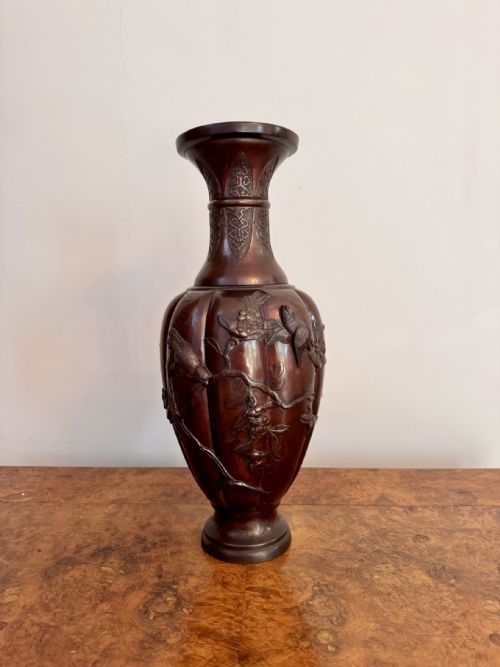
The objects on this page reflect diverse forms including incense burners, floor lamps, and decorative trays alongside traditional vases. Makers applied patination and detailed motifs such as dragons, birds and human figures to create both display sculptures and household items.
Materials and techniques
Artisans employed bronze and patinated bronze as the primary structural materials, occasionally incorporating cast iron, brass, wood, fabric and ivory details. Certain vessels utilise champlevé enamel or cloisonné elements on lids to add colour and textural contrast to the dark metal surfaces.
Foundries utilised traditional casting methods to achieve fine anatomical details in figures like horses, hawks and beetles, as well as complex vessel forms. Surface treatments include chemical patination to produce deep brown and black tones, highlighting the sculptural contours.
Japanese Bronze Casting Retail Price Guide 2026
Typical asking prices for japanese bronze casting among the pieces listed under this phrase on Sellingantiques today, from the lower quarter to the upper quarter. They describe what is for sale here now, not the wider market.
Listings feature 19th-century and early 20th-century items spanning the Edo, Meiji, and Showa periods.
Qualities that distinguish the work
Superior examples display precise anatomical realism and crisp rendering of fine textures such as fur, feathers and naturalistic bases. The skill of the foundry and the depth of the patination distinguish exceptional okimono and vases from standard production.
Artistic ambition defines the upper range, where named makers or renowned schools apply detailed ornamentation, integrated ivory elements or complex dragon motifs. Lesser pieces rely on simpler casting without the refined surface finishing seen in Meiji masterworks.
Kakuha Kanzaemon·Tsunemitsu·Masaaki·Kunio Itô·Kaniya Kuniharu·Kibundo·Tokyo Foundry·Sakai Kōzan
The Japanese Bronze Casting Glossary
- Okimono
- A Japanese display object or freestanding sculpture designed for placement in a tokonoma alcove or on a shelf. These figures depict animals, humans and mythical creatures with high realism.
- Koro
- A traditional Japanese incense burner featuring a perforated lid to release fragrance. They frequently stand on three legs and include animal finials.
- Champlevé
- An enamelling technique where troughs are carved into the bronze surface and filled with coloured enamel paste before firing. This method adds decorative panels to vases and lamps.
- Tetsubin
- A traditional Japanese cast iron kettle used for boiling water, often associated with fine metalwork foundries. They feature detailed surface textures and spouts.
- Hu vase
- An archaic ritual vessel form adapted in later periods with characteristic pear-shaped bodies and side handles. These pieces reflect historical Chinese vessel designs reinterpreted by Japanese metalworkers.
Japanese Bronze Casting: Frequently Asked Questions
What is Japanese bronze casting?
Japanese bronze casting involves the traditional creation of metal sculptures, vases, and vessels using techniques developed across the Edo, Meiji, and later periods. Artisans cast bronze into detailed animal figures, decorative urns, and lighting.
These pieces showcase patinated finishes and intricate motifs reflecting the natural world and historical design traditions.
How were these bronzes used?
Many bronzes served as decorative okimono placed within traditional Japanese interiors to be admired for their artistic merit. Other items fulfilled practical roles as incense burners, sake kettles, or flower vases.
Over time, European and domestic markets adapted certain vessels and figures into table lamps and floor lamps.
How do I date a Japanese bronze?
Dating relies on stylistic markers, historical periods such as the Meiji era, and occasionally signatures or foundry marks on the base. Meiji pieces often display naturalistic subjects and sophisticated patination.
Earlier Edo examples or later Showa items exhibit distinct shifts in subject matter and manufacturing technique.
How do I care for antique bronze?
Maintain antique bronze by dusting gently with a soft, dry cloth to prevent particulate buildup on the surface. Avoid using chemical cleaners or polishes that can strip the original patination.
Keep pieces away from direct moisture and extreme temperature fluctuations to preserve the metal integrity.