



Japanese Bronze Animal Figures
Japanese bronze animal figures capture the fierce energy of wildlife and domestic creatures through intricate casting and spirited postures.
Japanese Bronze Animal Figures
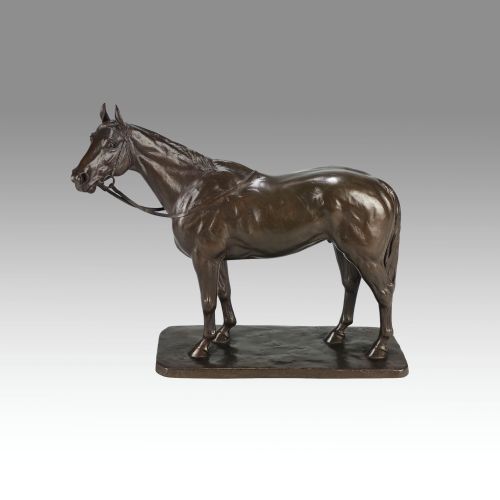
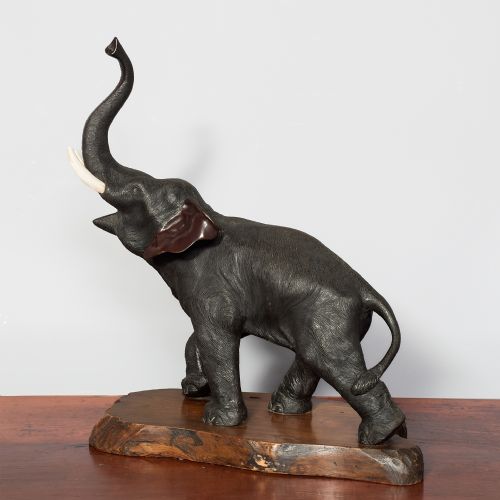
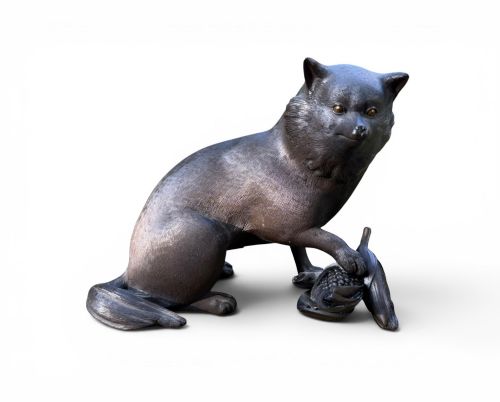
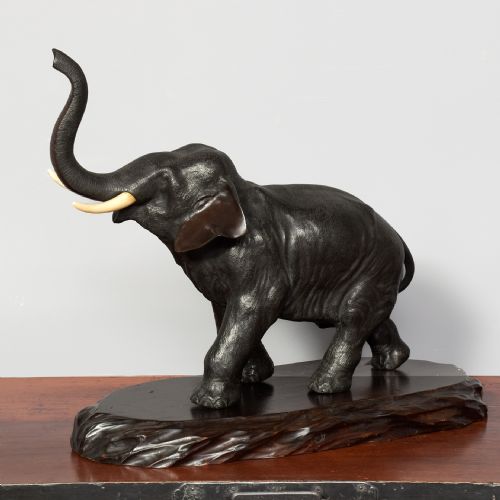
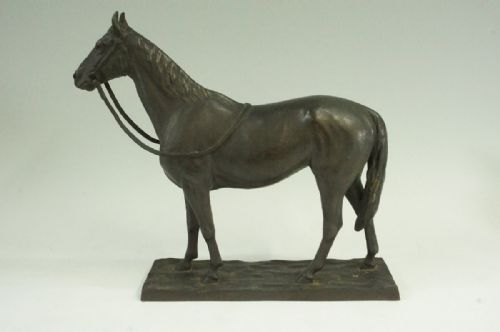
These Japanese bronze animal figures encompass sculptures, okimono and figurines depicting creatures ranging from elephants and horses to monkeys, tigers and puppies. The pieces emerge primarily from the Meiji and Taisho periods, spanning the late nineteenth century into the early twentieth century.
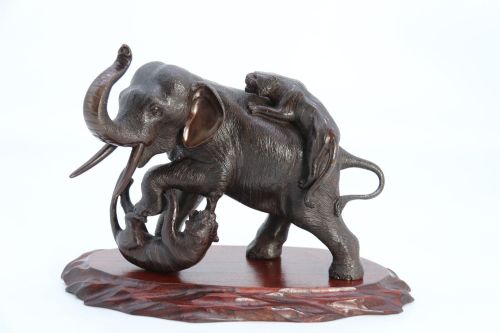
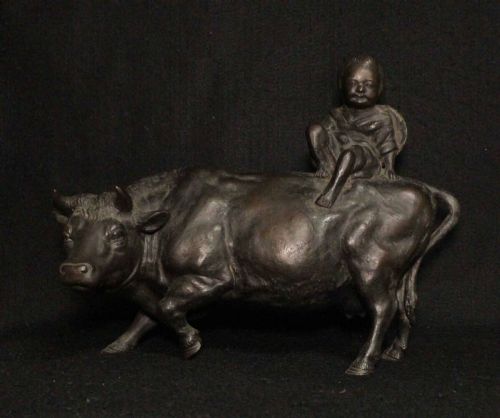
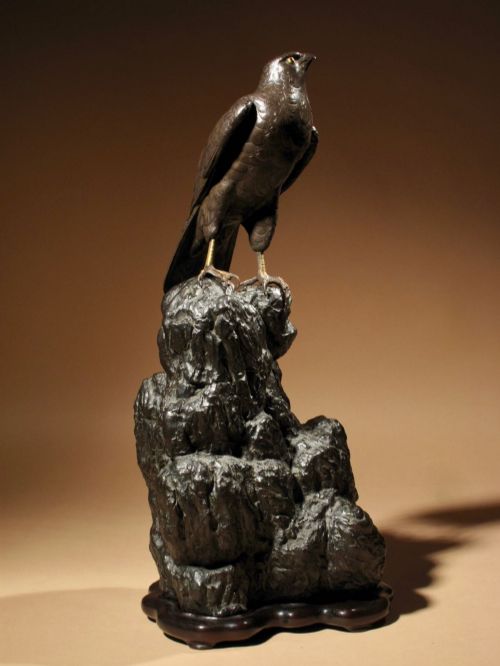
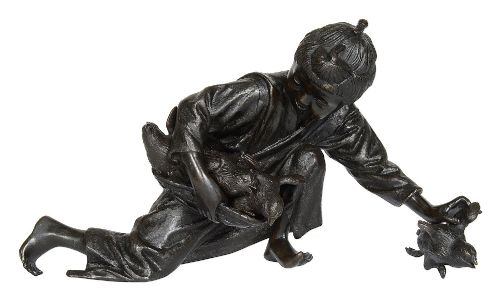
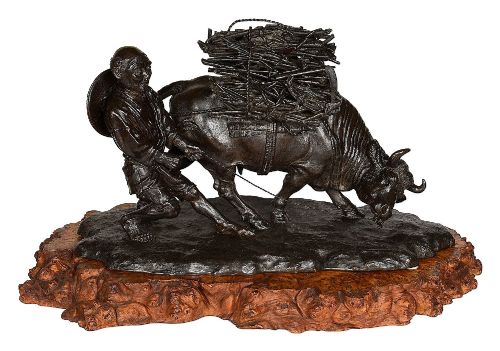
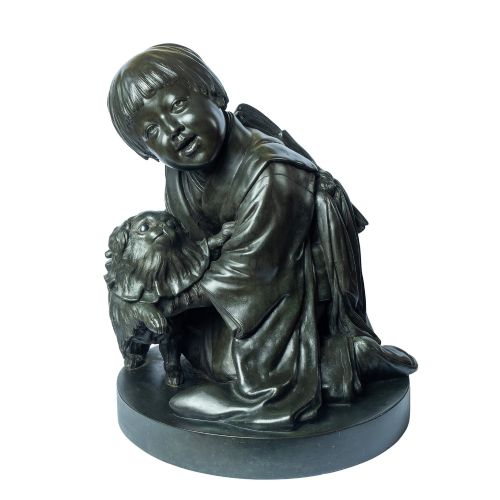
Makers often depict animals in dynamic or naturalistic scenes, such as an elephant fighting tigers, a hawk sitting on a craggy rock, or a rat clutching a chestnut. Human figures also appear alongside animals, seen in depictions of a woodsman with a buffalo, a boy riding a cow, or a girl gathering up chickens.
The objects take the form of freestanding sculptures and detailed okimono designed for display on naturalistic bases. Buyers encounter large-scale models alongside smaller tabletop figures created in Japanese workshops and foundries.
Casting and detailing methods
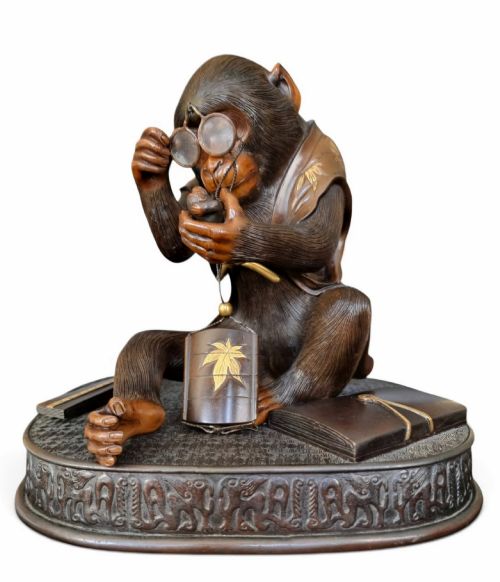
Artisans utilise bronze as the primary medium, frequently enhancing the metal with gold inlay and mixed metals to create contrasting surface tones and textures. Workshops also incorporate supplementary materials such as wood, bone, ivory, burr wood and diamond eyes into the finished sculptures.
Foundries employ skilled casting techniques to render fine details like fur, feathers and facial expressions, followed by patination and metal inlay work. Signed pieces often bear signatures or foundry marks attributed to master sculptors.
Japanese Bronze Animal Figures Retail Price Guide 2026
Typical asking prices for japanese bronze animal figures among the pieces listed under this phrase on Sellingantiques today, from the lower quarter to the upper quarter. They describe what is for sale here now, not the wider market.
A bronze French Bulldog joins the menagerie alongside fierce tigers and crouching lions.
Aspects of craftsmanship and design
Quality rests in the precision of the casting, the fidelity of the animal's anatomy and the complexity of the composition. Pieces depicting intense action or intricate narrative details demonstrate high levels of sculptural skill.
The integration of mixed metals, gold inlay and supplementary materials like ivory or diamond eyes separates standard castings from exceptional works. Signed pieces from recognised artists and foundries hold distinct artistic merit.
Kunio Itô·Masaaki·Tsunemitsu·Kaniya Kuniharu·Sakai Kōzan·Seiunsai Miyamoto Sei
The Japanese Bronze Animal Figures Glossary
- Okimono
- A traditional Japanese ornamental display object intended for placement on a tokonoma or shelf. These decorative figures range from small carvings to large bronze animal sculptures.
- Meiji Period
- The era in Japanese history lasting from 1868 to 1912, associated with rapid modernisation and the opening of trade with Western nations. Much of the fine metalwork and sculpture originates from this time.
- Mixed-Metal
- A technique combining different metal alloys such as copper, bronze and brass to produce varied surface colours and decorative contrasts. Artists utilise this method to highlight specific details on the subject.
- Taisho Period
- The period in Japanese history spanning from 1912 to 1926, following the Meiji era. Sculptures from this time continue traditional metalworking techniques while showing early twentieth-century stylistic shifts.
Japanese Bronze Animal Figures: Frequently Asked Questions
How do I identify Meiji period bronzes?
Meiji period bronzes date from 1868 to 1912 and often feature naturalistic subjects rendered with high technical skill. Many pieces incorporate mixed-metal details or carry signatures from period artists.
Examinations of the patina, casting texture and base can help determine whether a piece belongs to this era of Japanese metalwork.
What materials are used besides bronze?
While bronze forms the primary structure of these figures, artisans frequently incorporate gold inlay, copper and other mixed metals. Some sculptures also feature supplementary elements such as ivory tusks, bone or diamond eyes.
Wooden or naturalistic bases occasionally accompany the bronze figures to ground the composition.
Where were these bronze sculptures made?
These sculptures were produced in Japanese workshops and foundries during the late nineteenth and early twentieth centuries. Prominent metalworkers and named artists created pieces for both domestic collectors and export markets.
Tokyo foundries and individual masters generated works that range from small tabletop figures to large-scale animal models.