
Japanese Antiques
Japanese antiques span centuries of metalwork, ceramics and lacquer, offering collectors intricate craftsmanship and storied forms from diverse eastern traditions.
Japanese Antiques
Japanese antiques encompass a wide array of objects including bronze vases, Imari porcelain chargers, Satsuma pottery, and intricate wood carvings. Buyers exploring Japanese antiques frequently encounter works originating from the Meiji, Edo, and Taisho periods.
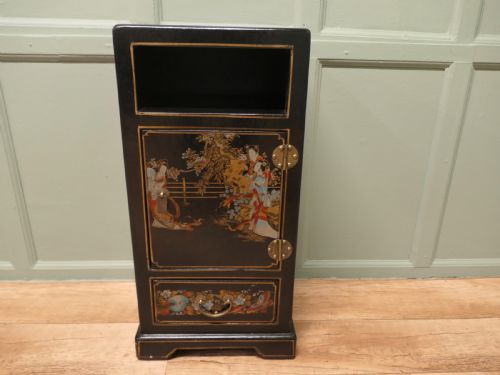
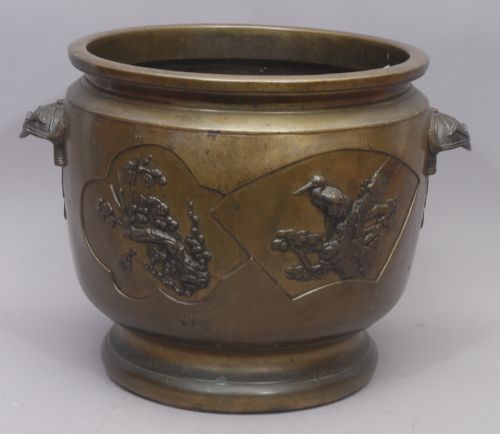
The category extends to practical and decorative household items such as bronze hibachi jardinières, lacquer table cabinets, folding screens, and sake sets. Many surviving pieces demonstrate functional utility combined with ornamental refinement.
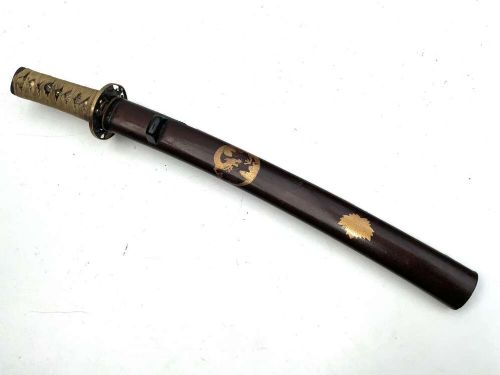
Edged weapons like samurai wakizashi swords and delicate boxwood netsuke also populate this field. These items showcase the breadth of historic Japanese artistry across multiple material mediums.
How they were made
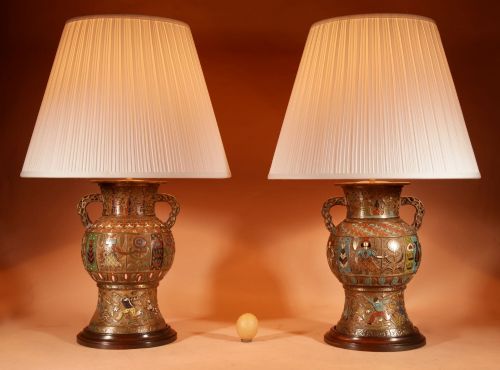
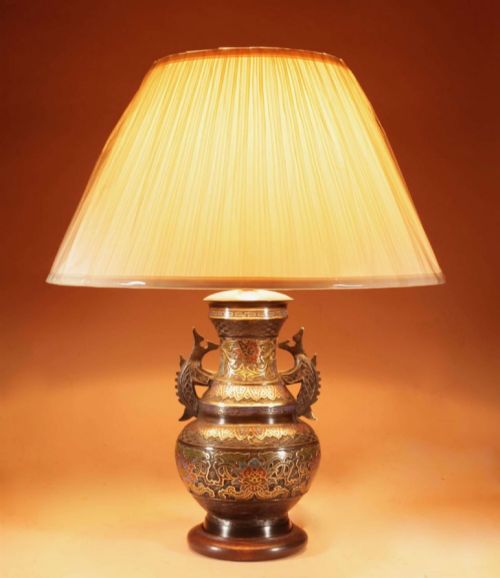
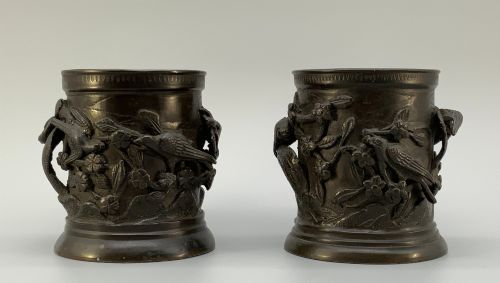
Metalworking techniques involve patinated bronze, champlevé and cloisonné enamel, and mixed-metal inlay often incorporating birds, floral motifs, and figures. Workshops utilised specialised casting and applied wire methods to create textured surface details.
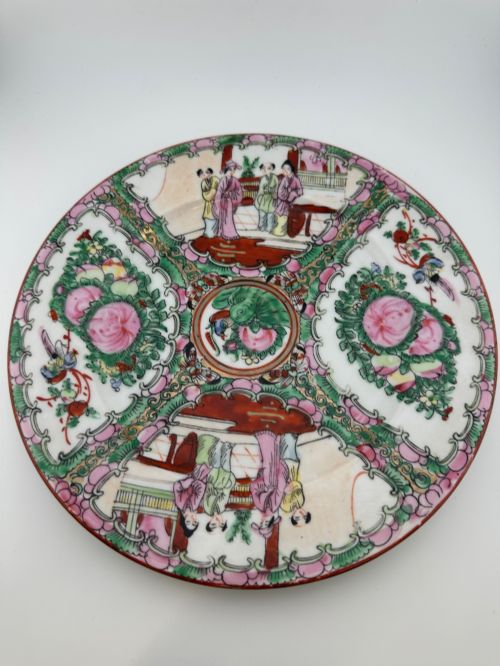
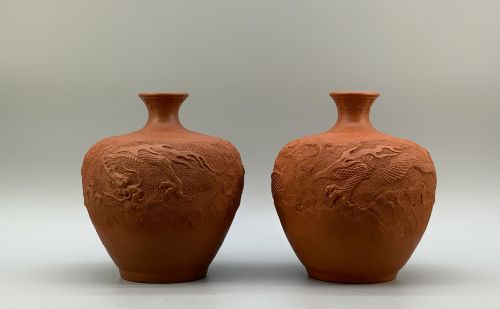
Ceramic production utilises earthenware, porcelain, and red clay bodies painted with glazes or detailed hand-applied enamel designs in Kutani and Imari styles. Artisans shaped vessels ranging from miniature vases to large floor-standing jars and scalloped bowls.
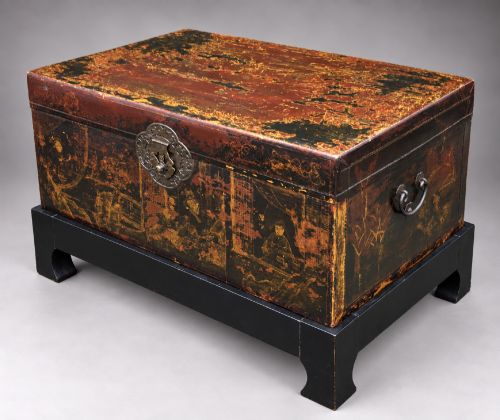
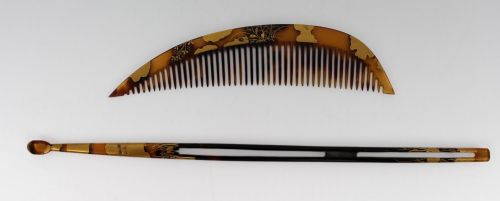
Organic materials such as wood, boxwood, and lacquer provide the foundation for carved netsuke, table screens, and storage cabinets. Carvers employed fine chisels to render minute scenes of animals, insects, and human figures.
A bronze monkey scholar holding a scroll reminds us that even historic brass and bronze animals enjoyed a good read.
What varies in quality
The definition and precision of hand-painted enamel and mixed-metal inlay distinguish finer ceramic vessels and bronzes from standard productions. Artisans who achieved greater depth in carved bone figures and cloisonné wirework created pieces with lasting visual impact.
The weight, casting clarity, and surface patination of bronze items indicate the level of craftsmanship involved in their creation. Superior examples display balanced proportions and crisp rendering of naturalistic subjects.
Royal Crown Derby·EW Godwin·Koshida·Maruni Kobe·Shozan·KANASAWA
The Japanese Antiques Glossary
- Meiji Period
- The era spanning from 1868 to 1912, characterised by a surge in decorative arts produced for both domestic use and export. Many bronze sculptures and cloisonné chargers originate from this time.
- Imari
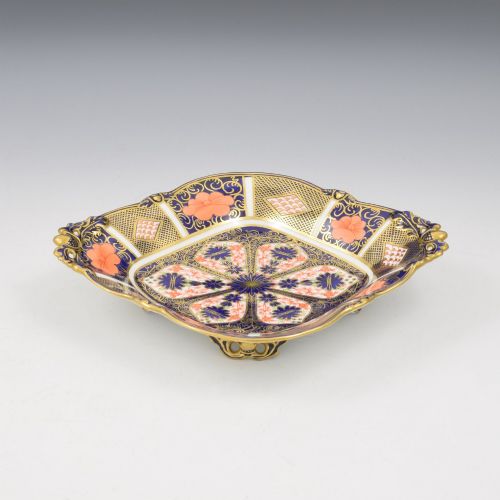
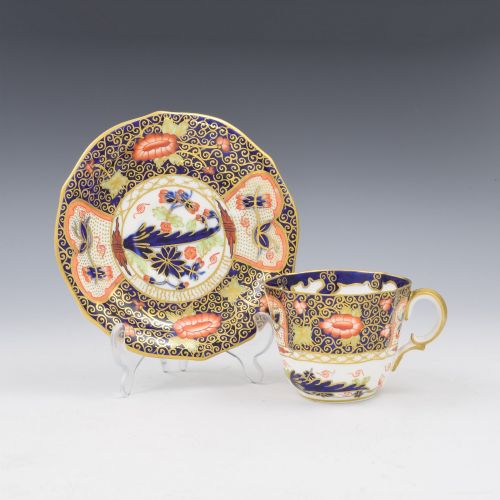
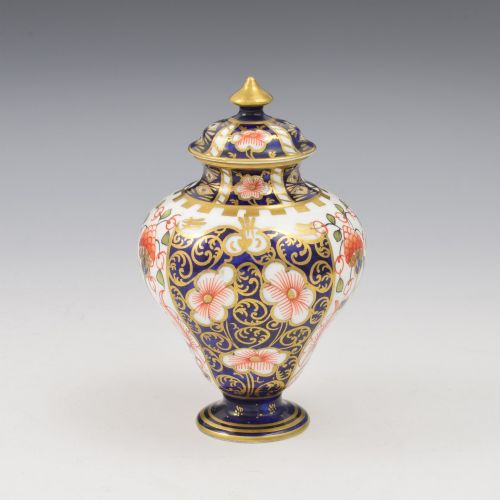
- A style of Japanese porcelain featuring distinctive cobalt blue, iron red, and gilt decoration. These plates and bowls were widely produced for international trade.
- Satsuma
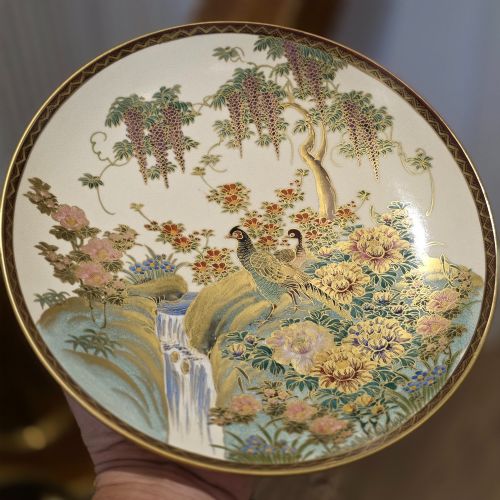
- A type of earthenware with a crackle-glaze finish, typically decorated with intricate enamel and gilt patterns of figures or landscapes.
- Netsuke
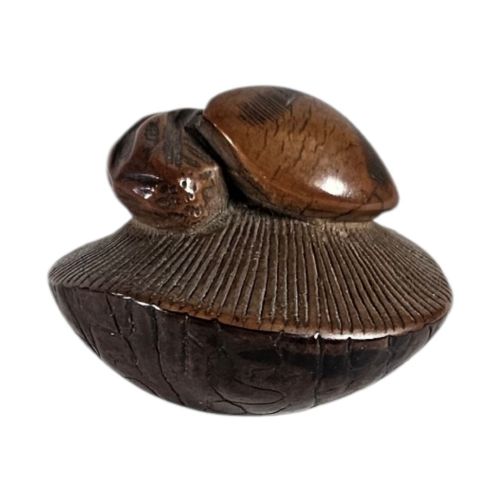
- A small carved toggle used to fasten a small pouch to the kimono sash. Boxwood was a common material for these miniature sculptures.
- Cloisonné
- An enamelwork technique where thin metal wires form raised partitions to hold coloured enamel pastes before firing.
Japanese Antiques: Frequently Asked Questions
What is an okimono?
An okimono is a decorative Japanese figurine or sculpture designed for display on a shelf or in a tokonoma alcove. These pieces often depict animals, mythical figures, or daily scenes rendered in bronze, ivory, or wood.
Craftsmen produced them primarily during the Meiji period as decorative arts for domestic interiors and international markets. Their intricate detail sets them apart from larger utilitarian bronze vessels.
How do I identify Imari porcelain?
Imari porcelain is readily identified by its characteristic colour palette, which traditionally relies on underglaze cobalt blue and overglaze iron red, frequently accented with gold leaf. The designs often feature dense floral patterns, landscapes, or brocade motifs.
Plates, bowls, and jars executed in this style were produced in Arita and exported in large quantities. Their robust porcelain bodies and vibrant pigments have ensured high survival rates.
What are Satsuma wares?
Satsuma wares are earthenware ceramics distinguished by an ivory-coloured, crackled glaze that provides a pale canvas for elaborate polychrome enamel and gilt decorations. Common motifs include groups of figures, birds, and wisteria.
Originating from Satsuma Province, the style evolved significantly during the late nineteenth century to satisfy foreign demand. Vases, dishes, and tea sets from this era remain prominent in collections.
How should I display bronzes?
Bronze figures, vases, and hibachi jardinières require stable surfaces away from direct moisture and excessive sunlight to preserve their patinated finishes. Placing them where light can catch the mixed-metal inlays enhances their visual depth.
These heavy metal objects function well as standalone statement pieces or paired with matching decorative bowls. Regular dusting with a soft cloth maintains their historic surfaces.