







Japanese Display Bowl
When you handle a Japanese antique display bowl, you encounter centuries of ceramic artistry spanning Edo and Meiji periods.
Japanese Display Bowl
A Japanese antique display bowl encompasses a variety of decorative vessels, chargers, and plates originating from distinct historical eras.
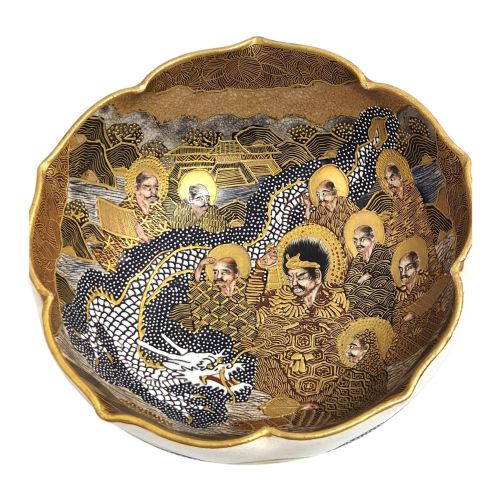
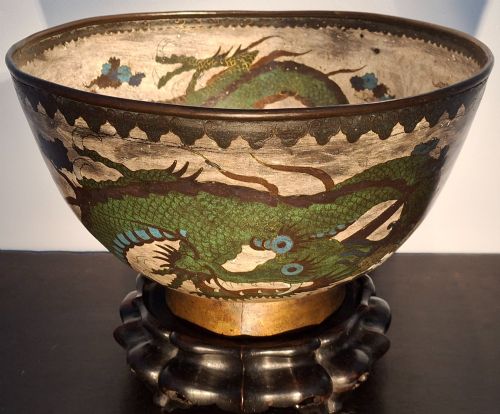
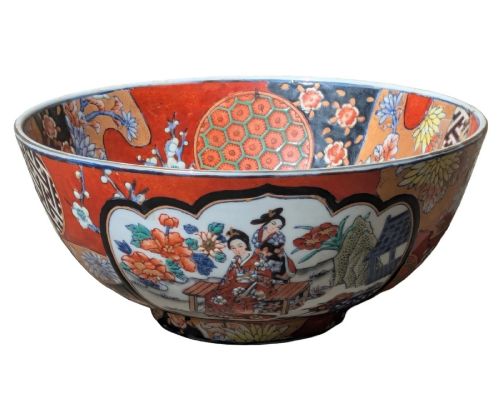
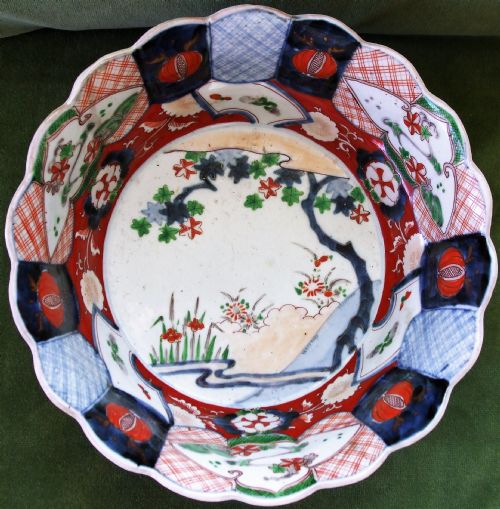
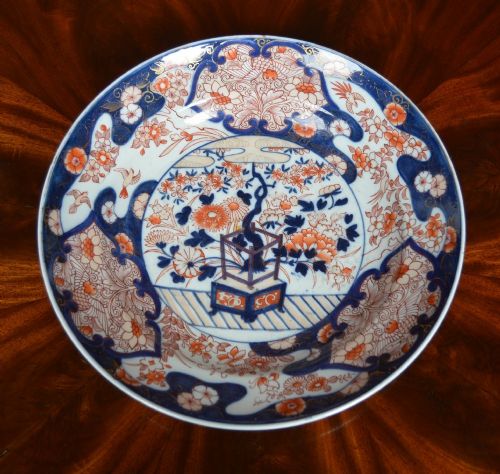
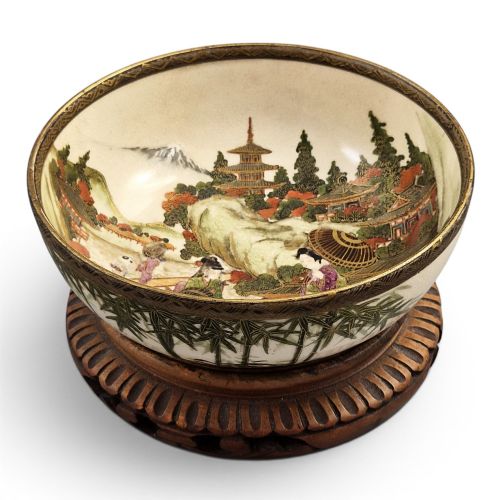
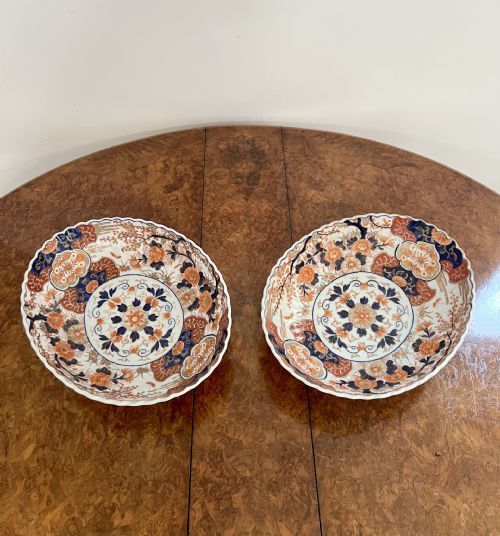
The selections here most commonly present as Imari porcelain or Satsuma ware, alongside cloisonné enamel chargers and Arita pieces.
Makers shaped these items for presentation, utilising shallow profiles, scalloped edges, and substantial diameters suited for prominent display.
How they were made
Potters shaped clay into porcelain and earthenware bodies before applying intricate hand-painted glazes, often incorporating gold leaf and detailed enamel work.
Cloisonné pieces utilised copper bases fitted with fine brass wires to compartmentalise vibrant enamels fired in kilns.
Artisans executed traditional Japanese motifs, ranging from floral arrangements and figures to complex battle scenes and dragons.
Japanese Display Bowl Retail Price Guide 2026
Typical asking prices for japanese display bowl among the pieces listed under this phrase on Sellingantiques today, from the lower quarter to the upper quarter. They describe what is for sale here now, not the wider market.
Several plates record maritime history directly through the depiction of Black Ships on their glaze.
What varies in quality
Execution of hand-painted detail and the precision of gilding separate standard production items from master-signed works by known artists.
The complexity of the glaze, the depth of the enamel work, and the structural integrity of large chargers dictate overall refinement.
Pieces bearing distinct signatures or mon symbols demonstrate higher workshop prestige and greater artistic ambition.
Kozan·Kinkozan·Shozo
The Japanese Display Bowl Glossary
- Imari
- A style of Japanese porcelain decorated in underglaze blue and overglaze red, gold, and other colours. It originated in the Hizen province and shipped from the port of Imari.
- Satsuma
- A type of earthenware pottery originating from Satsuma province, characterised by a ivory-coloured cracked glaze decorated with polychrome enamels and gilding.
- Cloisonné
- An ancient technique for decorating metal object surfaces, using vitreous enamel held in place by strips of brass or copper.
- Charger
- A large decorative plate or dish intended for display rather than for serving food at table.
- Arita
- A Japanese town famous for producing Arita ware, some of the earliest porcelain made in Japan during the Edo period.
Japanese Display Bowl: Frequently Asked Questions
How do I identify a Meiji period piece?
Meiji period items often exhibit intricate surface decoration, refined gilding, and specific signatures of master artisans. The period spans the late nineteenth and early twentieth centuries.
Many pieces from this era reflect the opening of Japan to Western trade, combining traditional techniques with elaborate pictorial narratives.
What is the difference between Imari and Satsuma?
Imari pieces consist of hard-paste porcelain decorated with deep blue and reddish-orange pigments, often enhanced with gold. They possess a resonant ring when tapped.
Satsuma items are earthenware with a characteristic network of fine crackles across a cream-coloured glaze, painted with dense floral or figural compositions.
How should I display a charger?
Chargers require sturdy plate stands or secure wall mountings due to their significant diameter and weight. Positioning them away from direct sunlight protects the delicate enamel and gold leaf.
Allowing adequate space around the bowl ensures the painted motifs and scalloped edges remain the visual focus of the room.