



Japanese Container
These japanese antique container pieces span bronze planters, lacquer boxes and porcelain jars, offering functional craft from the Edo, Meiji and Showa periods.
Japanese Container
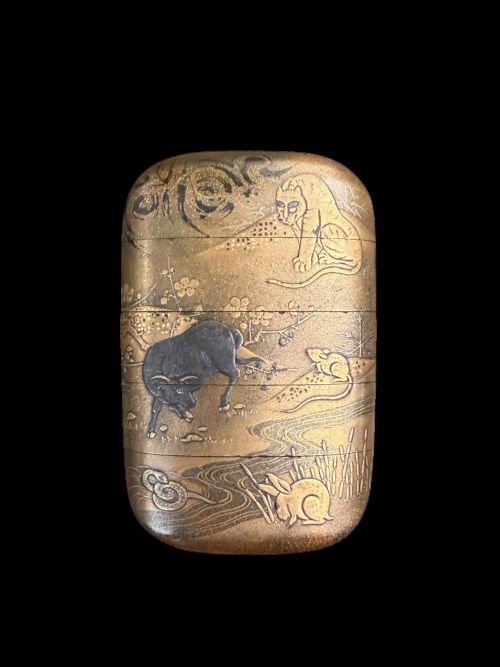
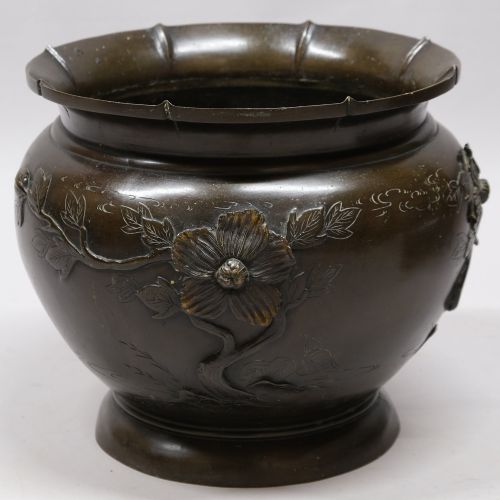
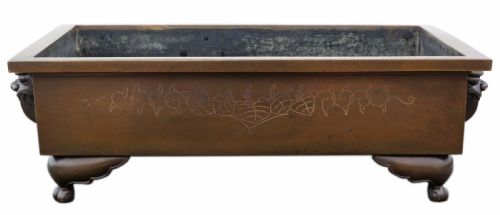
When you search for japanese antique container, you encounter a varied selection of utilitarian and decorative receptacles originating from the nineteenth and early twentieth centuries. The evidence shows a strong representation of large bronze jardinieres, decorative boxes, and lacquer items such as inro and sharing boxes.
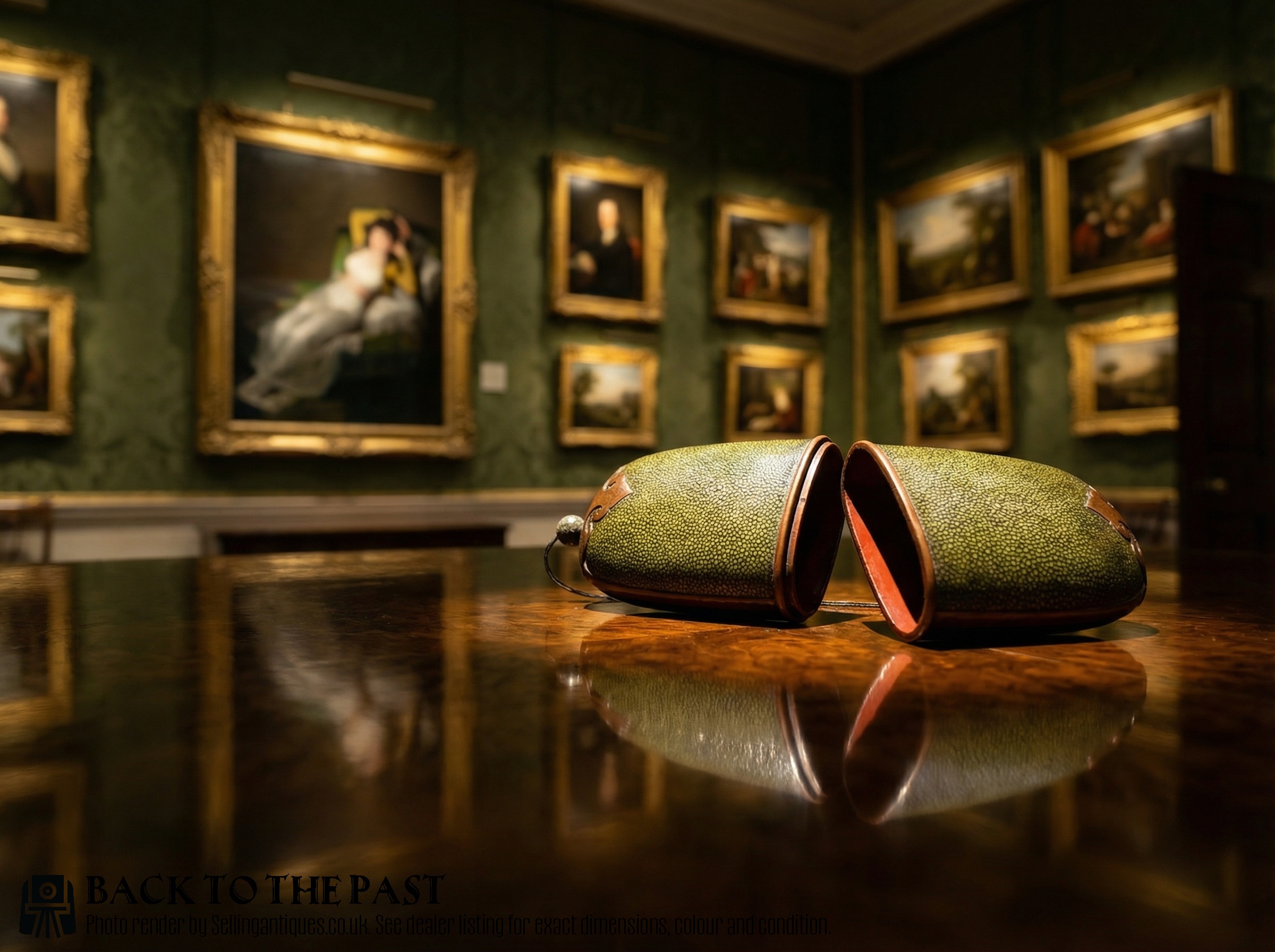
Forms range from tea caddies and tobacco cases to spectacle cases and lidded pedestal bowls. These objects reflect both domestic utility and ornamental artistry across the Edo, Meiji, and Showa eras.
Materials and construction
Craftsmen utilised traditional methods involving bronze, wood, lacquer, and porcelain, frequently enriched with gold leaf, enamel, silk, and mother-of-pearl. Bronze vessels and boxes display careful casting and mixed-metal inlay work incorporating silver and gold.
Lacquer pieces demonstrate layered sap applications built over wooden cores, while ceramic items utilise traditional firing and glazing techniques seen in Imari and Satsuma wares.
Keep an eye out for depictions of Daruma on tobacco boxes, glaring perpetually to keep your small items safe.
Quality and execution
The distinction between standard items and superior examples lies in the precision of the surface decoration and the refinement of the metalwork or lacquer layers. Finer pieces demonstrate intricate figural detailing, clean mixed-metal inlay, and well-preserved surface finishes.
Execution of secondary details, such as the snugness of lidded containers and the clarity of painted or enamelled motifs, separates workshop output.
Tokyo Taizan
The Japanese Container Glossary
- Inro
- A traditional small Japanese case for holding small objects, suspended from a sash. These stacked containers were secured with a netsuke toggle.
- Jardiniere
- An ornamental pot or receptacle for holding plants or flowers. In these listings, they appear primarily in bronze and ceramic forms.
- Cloisonne
- Enamelling technique where metal wire is soldered to a metal body to form compartments filled with paste and fired. This method creates complex coloured surface patterns.
- Imari
- A style of Japanese porcelain decorated in underglaze blue and overglaze red, gold, and green. Pieces typically display dense, ornate botanical or geometric patterns.
- Meji
- A historical period spanning from eighteen sixty-eight to nineteen twelve, characterised by openness to western trade and exceptional metalwork and lacquer production.
Japanese Container: Frequently Asked Questions
What were antique Japanese containers used for?
These receptacles served varied daily functions, from holding tobacco, tea, and spectacles to containing small personal keepsakes and floral arrangements.
Larger vessels functioned as planters and jardinieres for interior spaces, reflecting the domestic habits of the Edo and Meiji periods.
How do I identify a Meiji period container?
Meiji period items often display detailed mixed-metal work, intricate cloisonne enamel, or refined lacquer techniques developed during the late nineteenth century.
Stylistic markers include naturalistic motifs, figurative scenes, and a high degree of decorative complexity resulting from increased export production.
Are bronze jardinieres difficult to maintain?
Bronze vessels require minimal upkeep, generally needing only a soft, dry cloth to remove dust and preserve the natural metal patina.
Avoid using abrasive cleaners or polishes that can strip the historic surface finish accumulated over the nineteenth and twentieth centuries.