




Japanese Animal Sculpture Carving
These japanese animal sculpture carving pieces bring the startling realism of Meiji workshops and the rustic charm of regional folk art straight to your mantelpiece.
Japanese Animal Sculpture Carving
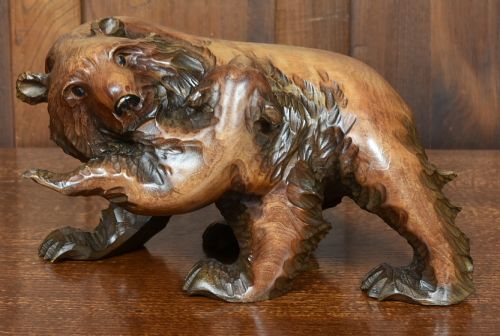
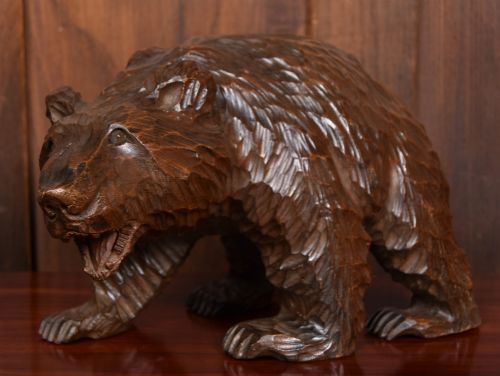
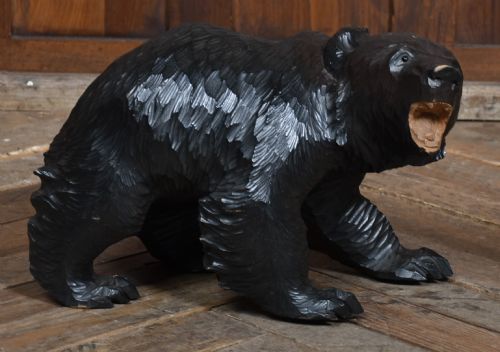
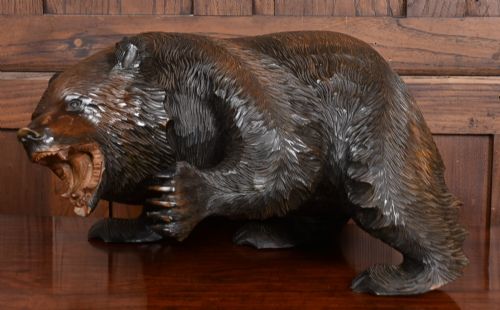
When you search for japanese animal sculpture carving, you encounter a distinct gathering of wooden bears, tigers, rodents, frogs, and rabbits originating from the nineteenth century and around nineteen hundred. These sculptures range from miniature netsuke and okimono intended for personal wear or display to large decorative figures carved with striking naturalism.
You are most likely to meet hand-carved wooden bears, often associated with the Kibori Kuma tradition, alongside finely detailed animal figures rendered in boxwood, linden wood, and occasionally bronze. The collection spans traditional Japanese styles, Meiji period artistry, and regional folk art expressions.
How they were made
Carvers shaped these figures primarily from hardwoods, boxwood, linden wood, and general carved wood, applying hand-carving techniques to capture musculature, fur texture, and posture. Artisans utilised stain and wax to finish the wood surfaces, enhancing the natural grain while preserving the tactile qualities of the carving.
Makers also worked in bronze and horn for specific animal forms, employing casting and carving methods that allowed for intricate detailing in smaller formats like netsuke and okimono.
Japanese Animal Sculpture Carving Retail Price Guide 2026
Typical asking prices for japanese animal sculpture carving among the pieces listed under this phrase on Sellingantiques today, from the lower quarter to the upper quarter. They describe what is for sale here now, not the wider market.
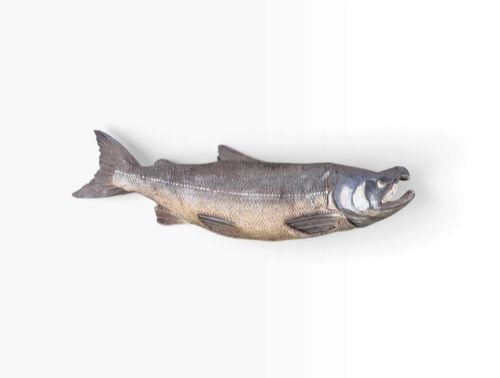
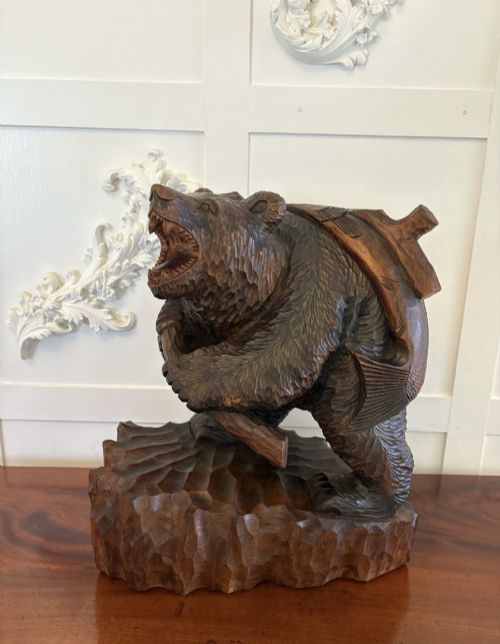
Bears carrying fish appear with delightful frequency, proving that nineteenth-century wood-carvers knew exactly what makes a collector smile.
What varies in quality
The distinction between ordinary and exceptional work rests upon the precision of the carving and the vitality of the animal's form. Master carvers captured movement, expression, and anatomical accuracy with remarkable economy of line, whereas lesser examples remain stiff and generic.
Surface finish and the preservation of original tool marks further separate high-tier pieces from routine production. Signatures left by skilled carvers add a layer of distinction, indicating individual artistry rather than anonymous workshop output.
The Japanese Animal Sculpture Carving Glossary
- Netsuke
- A small carved toggle fastened to the end of a cord connecting a traditional container to a kimono sash. These miniature sculptures often depict animals with great wit and anatomical precision.
- Okimono
- A Japanese ornamental statue or sculpture designed for display on a household altar or in a tokonoma alcove. Unlike netsuke, they serve purely decorative purposes.
- Kibori Kuma
- A style of Japanese wood-carved bear originating from Hokkaido, typically depicting a bear holding a fish in its jaws. These folk art pieces are heavily tied to regional craft traditions.
- Meiji Period
- The era in Japanese history spanning from eighteen sixty-eight to nineteen twelve, characterised by immense technical proficiency in decorative arts and increased production for Western collectors.
- Boxwood
- A dense, pale hardwood favoured by carvers for its fine grain and ability to hold microscopic detail without splintering.
Japanese Animal Sculpture Carving: Frequently Asked Questions
What is a netsuke?
A netsuke is a small, intricately carved toggle historically used to secure a pouch or small container to a kimono sash.
These miniature sculptures often depict animals and are prized for their detailed craftsmanship and tactile appeal.
How were wooden bear carvings used?
Wooden bear carvings, particularly Kibori Kuma pieces, were created both as regional folk art souvenirs and decorative home ornaments.
They reflect the wildlife of northern Japan and became popular decorative objects during the Meiji period.
What is an okimono?
An okimono is a standalone decorative sculpture designed to be displayed on a shelf or in a traditional alcove.
Unlike netsuke, they have no practical fastening purpose and focus entirely on aesthetic display.
How do I identify the Meiji period?
The Meiji period spans from eighteen sixty-eight to nineteen twelve, a time of rapid modernization and extraordinary craftsmanship.
Pieces from this era often display advanced carving techniques and a heightened realism influenced by Western trade.
Are these pieces signed?
Some advanced carvings and netsuke feature artist signatures or workshop marks carved directly into the base or underside.
Signatures indicate a higher level of individual craftsmanship and artistic attribution.