

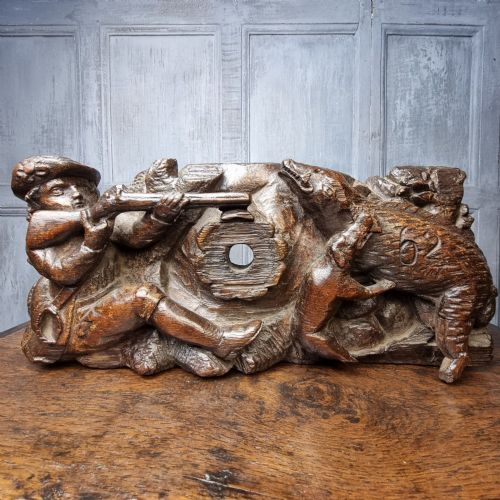


Jacobean Timber Panels
Jacobean timber panels are solid oak architectural elements carrying deep hand-carved relief, bringing authentic seventeenth-century weight and domestic history into modern interiors.
Jacobean Timber Panels
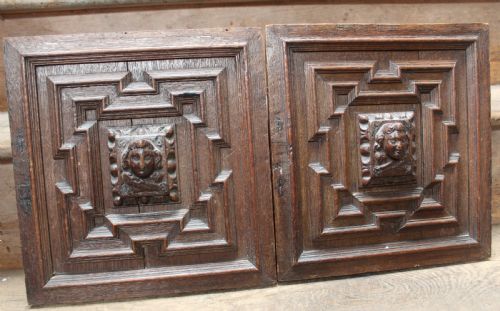
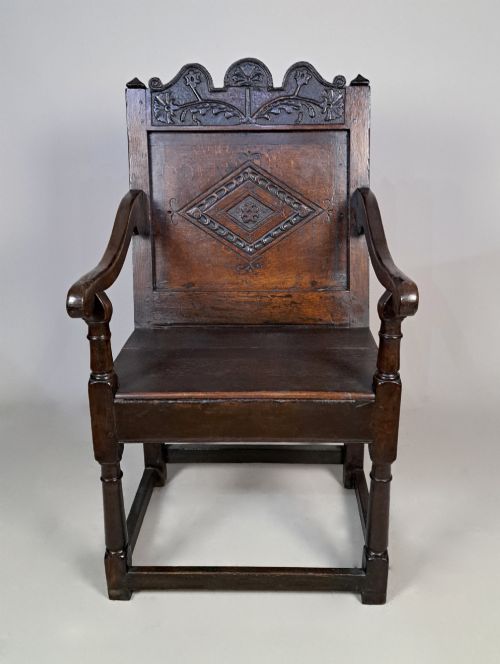
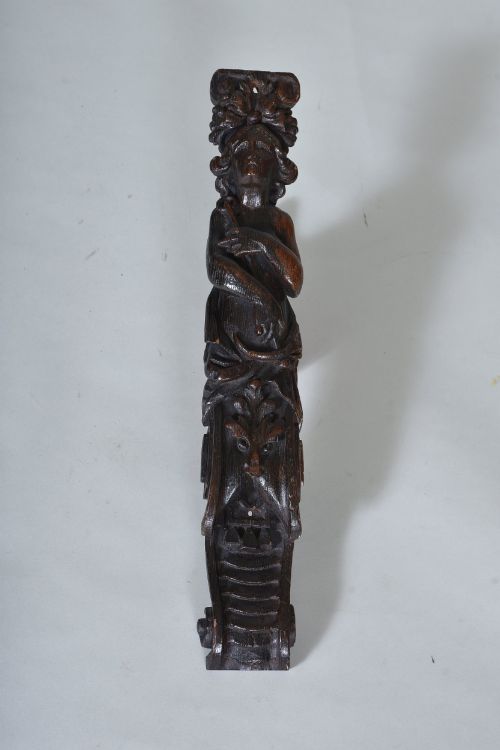
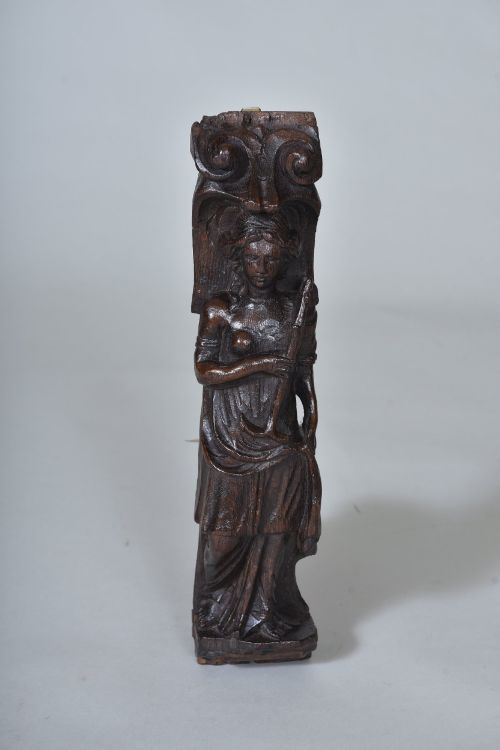
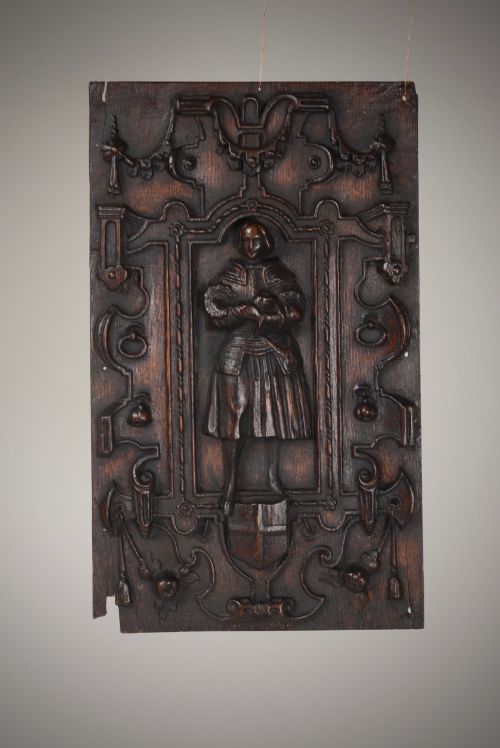
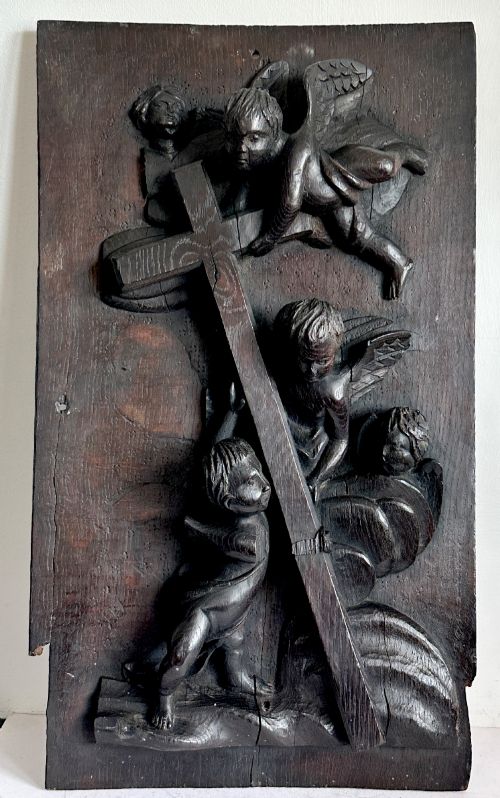
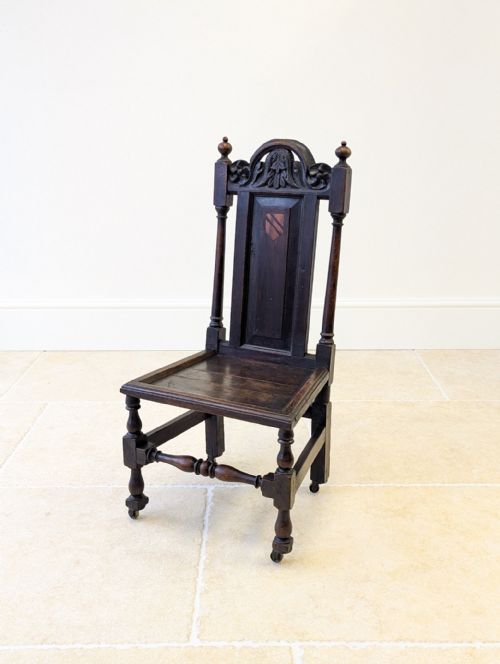
Jacobean timber panels encompass architectural carvings, friezes, and wall reliefs originating predominantly from the seventeenth century, alongside later revivals from the Victorian and Edwardian eras. These fragments often survive as detached wall reliefs, overmantles, or components integrated into larger furniture forms such as coffers, settles, and wainscot chairs.
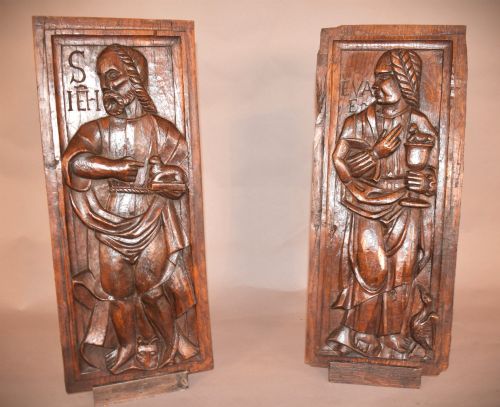
The objects on this page span several centuries, with genuine seventeenth-century examples appearing alongside nineteenth-century revival pieces that emulate the heavy oak construction and linear ornamentation of the earlier period. Architectural salvage makes up a substantial portion of these listings, presenting buyers with individual panels or matched pairs ready for reinstallation.
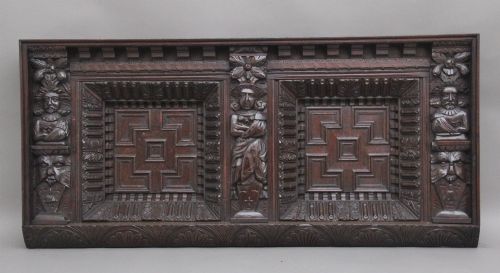
Buyers encounter surfaces shaped by centuries of waxing, handling, and atmospheric ageing, which impart a deep brownish-black tone to the timber. The primary forms remain square or rectangular panels defined by moulded framing, geometric strapwork, and figural or botanical carving.
Materials and construction methods
The makers of jacobean timber panels relied almost exclusively on native oak, supplemented occasionally by fruitwood for specific inlay details and joined with iron or brass fixings. Timber was heavily worked using hand chisels, gouges, and drawknives, producing the distinct tool marks and undulating surfaces characteristic of early joinery.
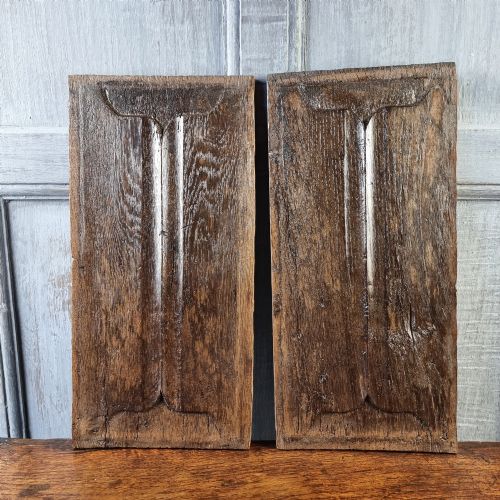
Panels were typically constructed using mortise and tenon joints to allow the solid timber to expand and contract within its frame without splitting. Surface decoration combined chip carving, linenfold motifs, and low relief figural work directly into the structural grain of the wood.
Jacobean Timber Panels Retail Price Guide 2026
Typical asking prices for jacobean timber panels among the pieces listed under this phrase on Sellingantiques today, from the lower quarter to the upper quarter. They describe what is for sale here now, not the wider market.
Listings feature oak material predominantly, alongside occasional fruitwood, iron, brass, and textile elements across seventeenth-century and revival periods.
Assessing quality in early woodwork
Quality in jacobean timber panels rests on the crispness of the chisel work and the depth of the relief carving, where superior examples exhibit confident, unhesitating lines rather than flat or mechanically uniform execution. The choice of timber also dictates the visual merit, with quartersawn oak displaying prominent medullary rays that catch the light across the grain.
The integrity of the original joints and the proportion of later replacement timber determine the historical value of each piece. Surviving panels that retain their primary surface patination without aggressive modern stripping stand apart from heavily sanded or chemically altered alternatives.
Edward Pearce
The Jacobean Timber Panels Glossary
- Jacobean
- The period covering the reign of James I from 1603 to 1625, characterised in woodwork by heavy proportions, geometric panelling, and strapwork ornamentation. This style extended well into the seventeenth century.
- Linenfold
- A style of relief carving used on wooden panels to imitate folded linen cloth, featuring vertical folds and subtle undulations. It appears frequently on sixteenth and seventeenth-century church and domestic woodwork.
- Wainscot
- A type of solid oak armchair or panelling constructed with frame and panel techniques, common in substantial domestic interiors from the Tudor and seventeenth-century periods. These chairs feature high panelled backs and solid wooden seats.
- Coffer
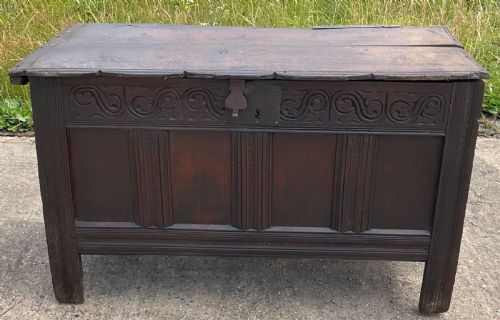
- A large wooden chest used for storage, typically constructed from joined oak planks and reinforced with iron hinges or locks. Seventeenth-century examples often display carved front panels matching contemporary architectural woodwork.
- Strapwork
- A decorative motif resembling flat bands or straps cut from leather, interlaced in geometric patterns across furniture and architectural panels during the sixteenth and seventeenth centuries.
Jacobean Timber Panels: Frequently Asked Questions
How were jacobean timber panels originally used?
These carved wooden elements functioned primarily as wall panelling, overmantles, and structural components within substantial seventeenth-century homes and public buildings. They lined domestic chambers to provide insulation and display the social standing of the owner.
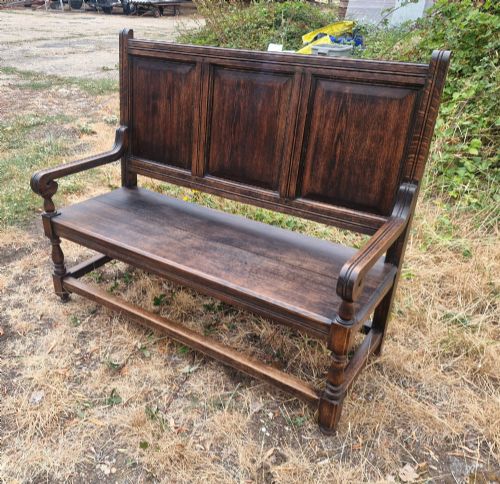
Over subsequent centuries, many panels were salvaged from demolished buildings and incorporated into furniture such as coffers, settles, and bench seating during nineteenth-century revival movements.
How do I tell seventeenth-century panels from later Victorian copies?
Original seventeenth-century pieces exhibit hand-cut joinery, irregular tool marks, and deep patination developed over centuries of exposure to wax and domestic smoke. The oak timber itself often shows significant shrinkage and natural warping along the grain.
Victorian and Edwardian revival pieces tend to display more uniform machine sawing, sharper chemical colouration, and tighter, more predictable joint tolerances that lack the tactile irregularities of early joinery.
Can I mount these heavy oak panels onto modern walls?
Mounting requires substantial fixings anchored directly into wall studs or masonry because solid seventeenth-century oak panels carry considerable weight. Professional framing or custom metal brackets ensure the timber remains secure without placing undue stress on the ancient joints.
Allowing slight clearance behind the panel prevents moisture accumulation against the wall, protecting the historic timber from damp and fungal decay.
How do I clean and maintain antique oak panels?
Maintenance involves gentle dusting with a soft, dry cloth to remove surface particles without disturbing the underlying wax finish. Avoid modern liquid cleaners, silicone sprays, or harsh detergents that strip away historic patina and soften the dry oak.
Applying a traditional beeswax sparingly once a year helps nourish the timber and maintains a soft sheen across the carved surfaces.