



Jacobean Desk Box
A jacobean desk box is a solid timber repository built for letters and scriptures, offering heavy seventeenth-century character and enduring practicality for any room.
Jacobean Desk Box
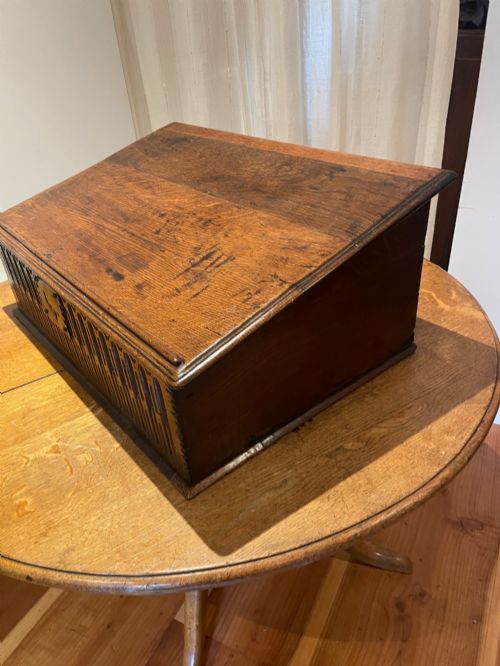
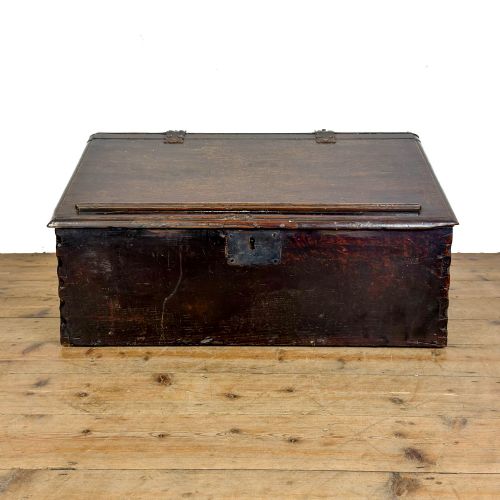
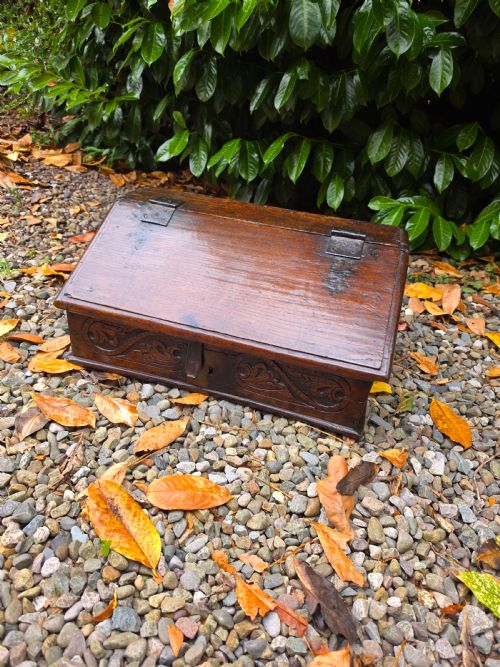
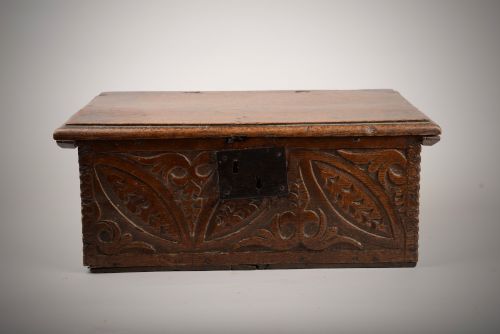
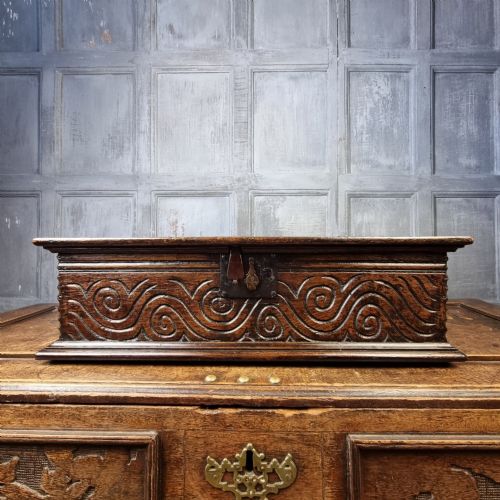
A jacobean desk box encompasses compact wooden containers designed for manuscripts, documents, and bibles, often featuring hinged lids and sloping surfaces for writing. The selection here leans heavily toward seventeenth-century English and Welsh oak pieces, including bible boxes and slant front boxes.
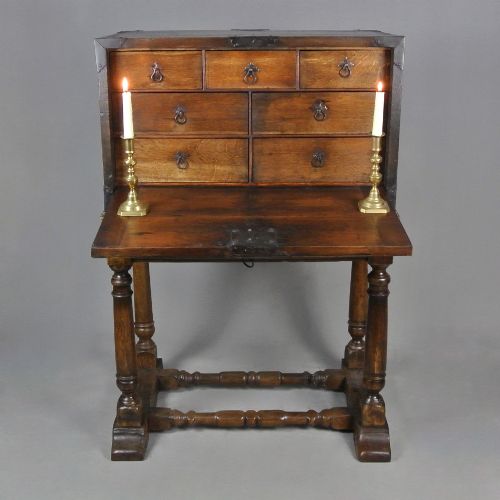
Makers of the period constructed these utilitarian items for desktop or table use, occasionally incorporating internal drawers or demi-lune front panels. Certain examples trace back to specific historical provenances such as country houses, while others reflect ecclesiastical origins.
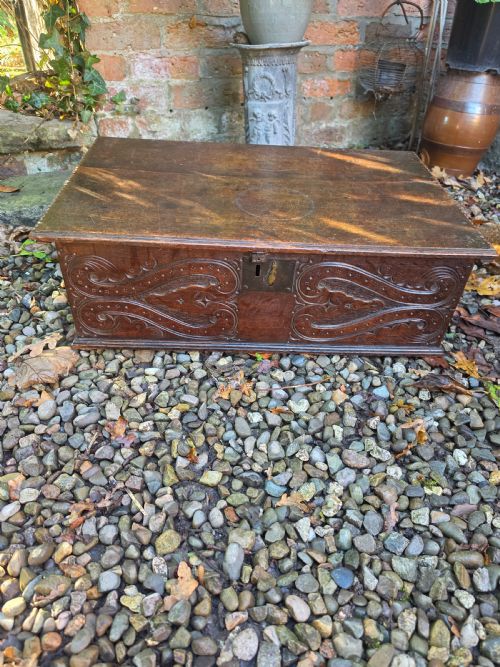
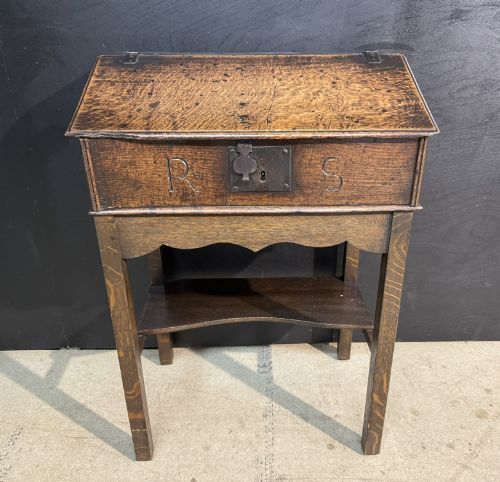
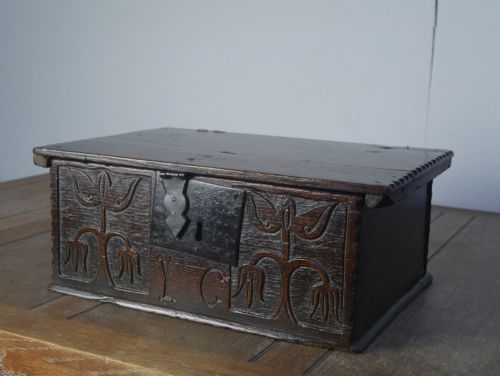
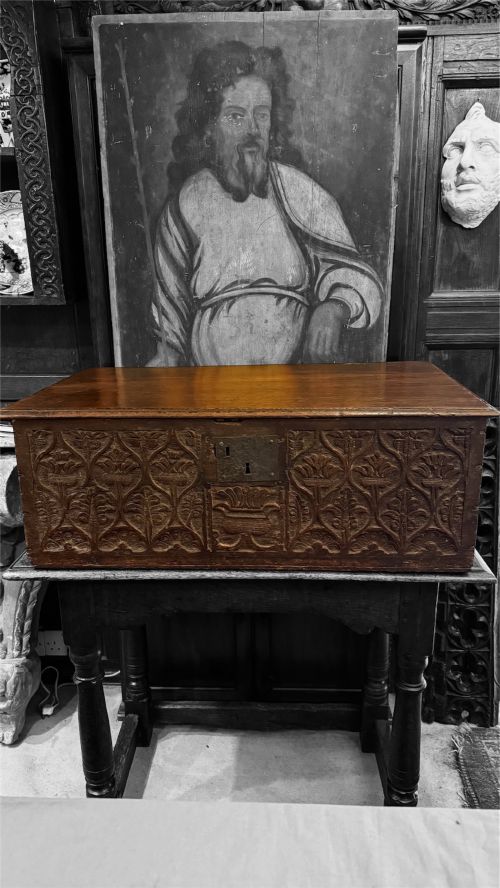
The form bridges the gap between simple storage chests and functional writing desks, manifesting as table boxes or strong boxes. Buyers encounter variants ranging from plain rustic timber to deeply carved surfaces bearing traditional geometric or chip-carved decoration.
What varies in quality
The depth and execution of the carved ornamentation separate standard utilitarian storage from finer decorative examples. Crisp chip-carving and well-executed relief work on the front panels indicate a higher degree of initial craftsmanship.
The survival of original elements such as internal drawers, stands, and hardware heavily influences the integrity of a piece. Boxes retaining their early surfaces and structural fixings hold greater appeal than those with extensive modern replacements.
Jacobean Desk Box Retail Price Guide 2026
Typical asking prices for jacobean desk box among the pieces listed under this phrase on Sellingantiques today, from the lower quarter to the upper quarter. They describe what is for sale here now, not the wider market.
One box carries a direct historical line straight out of Lincolnshire's Belton House.
The Jacobean Desk Box Glossary
- Bible Box
- A small wooden chest originally constructed to hold a folio bible and secure it from damage. These boxes often sat on tables and double as portable writing surfaces.
- Slant Front
- An angled lid configuration that provides an ergonomic surface for writing letters or documents. This feature anticipates the development of the later bureau.
- Chip Carved
- A style of ornamentation created by chipping small triangles and geometric patterns out of the solid wood surface. It yields a sharp, textured design popular on seventeenth-century woodwork.
- Strong Box
- A heavily reinforced storage container built with robust timbers and iron hardware to protect valuable deeds and currency. They represent the more secure end of domestic box construction.
- Table Box
- A general term for a portable wooden container designed to rest on top of a desk or table. They provide enclosed storage for stationery and small personal items.
Jacobean Desk Box: Frequently Asked Questions
How were these boxes used?
These boxes served as portable repositories for valuable documents, letters, and household bibles in an era before built-in furniture. Owners placed them on tables or desks, utilising the flat or sloping lids as writing surfaces.
Inside, the compartments kept ink, quills, and important papers organised and protected from moisture and theft. Their sturdy construction allowed them to be moved between rooms or transported when necessary.
Where were jacobean desk boxes made?
The pieces originate primarily from workshops in England and Wales during the seventeenth century and subsequent decades. Regional cabinetmakers utilised local hardwoods, particularly native oak, reflecting the prevailing vernacular styles of their specific districts.
Some examples bear distinct regional characteristics, such as Welsh chip-carving or specific English framing methods. Institutional and ecclesiastical workshops also produced specialised boxes for parish churches and country estates.
How do I tell periods apart?
Identifying the period relies on examining the construction methods, joinery, and decorative motifs used by the maker. Seventeenth-century examples frequently feature pegged oak construction, hand-split boards, and characteristic chip-carved or geometric ornamentation.
Later adaptations or nineteenth-century interpretations often display different timber preparation marks, machine-sawn elements, or hardware that diverges from seventeenth-century norms. Comparing the patination and wear patterns across the wood helps confirm the age of the structure.
How do I live with one?
Integrating an oak desk box into a modern interior is straightforward because of its compact proportions and flat top surfaces. They sit comfortably on side tables, chest tops, or dedicated desks while providing concealed storage for modern stationery or keepsakes.
Maintenance requires keeping the timber away from direct heat sources and sudden humidity changes to prevent the oak from splitting. Regular dusting with a dry cloth preserves the natural finish and accumulated patina of the wood.